

 English
 中文简体
中文简体

Content
- 1 Understanding Bedding Fabric Fundamentals
- 2 Natural Bedding Fabric Options
- 3 Synthetic and Blended Bedding Fabrics
- 4 Thread Count and Weave Patterns
- 5 Selecting Bedding Fabric for Climate and Seasons
- 6 Care and Maintenance of Bedding Fabrics
- 7 Health and Sustainability Considerations
- 8 Making Informed Bedding Fabric Purchases
Understanding Bedding Fabric Fundamentals
Bedding fabric serves as the foundation of sleep quality and bedroom comfort. The material that touches your skin throughout the night significantly impacts temperature regulation, skin health, and overall rest quality. Understanding the characteristics of different bedding fabrics empowers consumers to make informed decisions that align with their personal preferences, climate conditions, and budget constraints. Modern bedding fabrics range from traditional cotton and linen to innovative bamboo and microfiber materials, each offering distinct advantages and considerations.
The bedding fabric industry has evolved considerably over recent decades, introducing advanced weaving techniques and fiber treatments that enhance durability, softness, and performance. Manufacturers now produce fabrics that resist wrinkles, repel moisture, regulate temperature, and even incorporate antimicrobial properties. This diversity means that selecting appropriate bedding fabric requires understanding not only fiber content but also thread count, weave patterns, finishing treatments, and maintenance requirements. The right bedding fabric can transform sleep experience while lasting for years with proper care.
Natural Bedding Fabric Options
Natural fibers have dominated the bedding industry for centuries due to their breathability, comfort, and sustainable qualities. Cotton remains the most popular bedding fabric worldwide, prized for its softness, durability, and hypoallergenic properties. Egyptian cotton, Pima cotton, and Supima cotton represent premium varieties with extra-long staple fibers that produce exceptionally smooth and strong fabrics. These luxury cottons offer superior durability and become softer with each washing, making them worthwhile investments for quality-conscious consumers.
Linen bedding fabric, derived from flax plants, provides excellent temperature regulation and moisture-wicking capabilities. This natural fiber keeps sleepers cool in summer and warm in winter, adapting to body temperature throughout the night. Linen's characteristic texture softens beautifully over time while maintaining structural integrity for decades. Though linen wrinkles easily, many enthusiasts appreciate this relaxed aesthetic as part of the fabric's natural charm. Linen bedding requires minimal processing, making it an environmentally friendly choice for eco-conscious consumers.
Silk bedding fabric represents the pinnacle of luxury, offering unmatched softness and natural temperature regulation. Mulberry silk, the highest quality variety, contains amino acids and natural proteins that benefit skin and hair health. Silk's smooth surface reduces friction that causes hair breakage and facial creases during sleep. This delicate fabric requires gentle care but rewards users with exceptional comfort and elegant draping. Bamboo fabric has emerged as a sustainable alternative, combining cotton-like softness with superior moisture absorption and natural antimicrobial properties.
Synthetic and Blended Bedding Fabrics
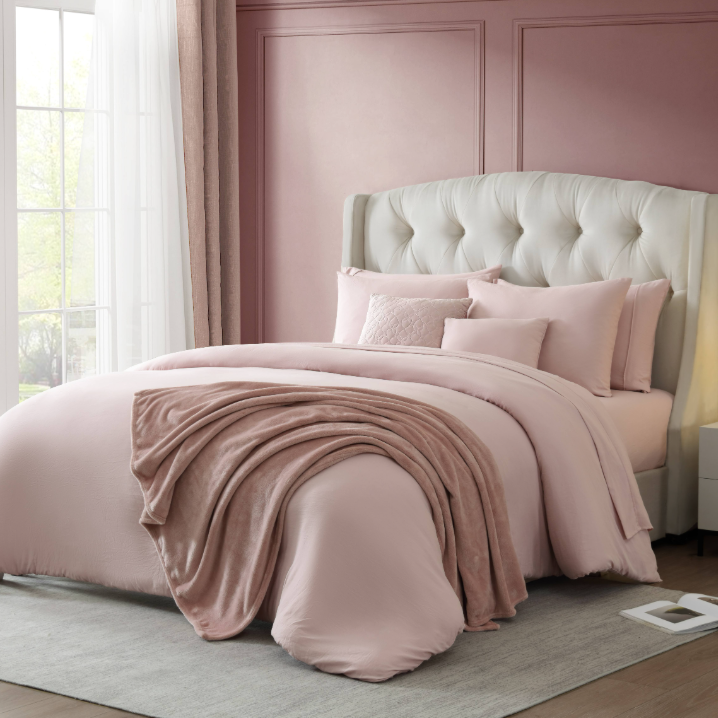
Synthetic bedding fabrics offer practical advantages including affordability, wrinkle resistance, and easy maintenance. Microfiber, composed of ultra-fine polyester fibers, creates soft, durable sheets that resist fading and staining. This budget-friendly option suits rental properties, children's bedrooms, and anyone seeking low-maintenance bedding. Microfiber's tightly woven structure provides warmth, making it ideal for cold climates, though it may trap heat during summer months. Advanced microfiber varieties now incorporate moisture-wicking technologies to address temperature concerns.
Polyester-cotton blends combine natural fiber breathability with synthetic durability and wrinkle resistance. Common blend ratios include 50/50, 60/40, and 80/20 polyester-to-cotton compositions, each offering different performance characteristics. Higher cotton content provides better breathability and softness, while increased polyester enhances durability and reduces shrinkage. These versatile fabrics suit healthcare facilities, hospitality industries, and households seeking practical bedding solutions. Polycotton blends typically cost less than pure cotton while requiring less ironing and maintenance effort.
Tencel and modal represent innovative semi-synthetic fabrics derived from wood pulp through environmentally responsible processes. These cellulosic fibers combine natural breathability with synthetic strength and smoothness. Tencel bedding fabric excels at moisture management, absorbing humidity efficiently while remaining cool to the touch. Modal offers exceptional softness that rivals silk at a fraction of the cost. Both materials resist bacterial growth naturally and maintain their shape and color through numerous wash cycles, appealing to environmentally conscious consumers seeking performance fabrics.
Thread Count and Weave Patterns
Thread count measures the number of horizontal and vertical threads per square inch of fabric, traditionally indicating quality and durability. However, thread count alone doesn't determine bedding fabric quality, as fiber type, yarn size, and weave construction significantly impact performance. Thread counts between 200 and 400 generally provide optimal balance between softness, breathability, and durability for cotton bedding. Extremely high thread counts above 600 may use multi-ply yarns that create heavy, less breathable fabrics despite impressive numbers.
Percale weave creates crisp, cool bedding fabric with a matte finish and light, breathable structure. This simple one-over-one-under weave pattern produces durable sheets that improve with age, offering classic hotel-quality feel. Percale suits warm sleepers and hot climates due to its excellent air circulation. Sateen weave employs a four-over-one-under pattern that yields lustrous, silky bedding with subtle sheen. Sateen fabrics drape beautifully and feel smooth against skin, though they're warmer and less breathable than percale, making them ideal for cooler environments.
| Weave Type | Characteristics | Best For |
| Percale | Crisp, cool, matte finish | Hot sleepers, warm climates |
| Sateen | Silky, lustrous, smooth | Cold sleepers, luxury feel |
| Jersey | Stretchy, soft, casual | Comfort seekers, fitted sheets |
| Flannel | Brushed, warm, cozy | Winter bedding, cold climates |
Jersey knit bedding fabric offers t-shirt-like comfort with natural stretch and softness. This knitted rather than woven construction creates casual, wrinkle-resistant sheets perfect for everyday use. Jersey adapts well to fitted sheet applications due to its elasticity and remains affordable while providing consistent comfort. Twill weave produces diagonal ribbing that creates durable, wrinkle-resistant bedding with subtle texture. Flannel bedding, featuring brushed surface fibers, delivers exceptional warmth and softness ideal for cold weather sleeping.
Selecting Bedding Fabric for Climate and Seasons
Climate considerations should guide bedding fabric selection to ensure year-round comfort and optimal sleep temperature. Hot, humid environments require breathable fabrics with excellent moisture-wicking properties such as percale cotton, linen, or bamboo. These materials allow air circulation and draw perspiration away from skin, preventing uncomfortable dampness during sleep. Lighter colors in these fabrics reflect heat while providing cooling psychological effects. Thread counts between 200 and 300 offer ideal breathability for warm weather bedding without sacrificing durability or comfort.
Cold climates and winter seasons benefit from insulating bedding fabrics that retain body heat while remaining breathable. Flannel, brushed cotton, sateen weaves, and jersey knits provide warmth without excessive weight. These fabrics trap air within their structure, creating thermal barriers that maintain comfortable sleeping temperatures. Heavier thread counts and tighter weaves offer additional warmth for particularly cold environments. Some sleepers prefer maintaining moderate-weight bedding year-round and adjusting temperature through blankets and duvets rather than changing sheets seasonally.
Seasonal bedding fabric rotation optimizes comfort throughout the year. Many households maintain separate warm-weather and cold-weather bedding collections, switching between lightweight percale or linen for summer and cozy flannel or sateen for winter. This approach extends bedding lifespan by reducing wear on individual sets while ensuring appropriate comfort levels year-round. Transitional seasons may benefit from medium-weight cotton or bamboo fabrics that balance breathability with moderate warmth. Investing in quality bedding for each season proves cost-effective long-term through improved sleep quality and durability.
Care and Maintenance of Bedding Fabrics
Proper care extends bedding fabric lifespan while maintaining softness, color, and structural integrity. Most cotton bedding tolerates regular machine washing in warm or hot water, though cold water washing preserves colors and reduces energy consumption. Separating whites from colors prevents dye transfer, while avoiding overloading washing machines ensures thorough cleaning. Using mild, fragrance-free detergents protects fabric fibers and benefits sensitive skin. Harsh detergents, excessive bleach, and fabric softeners can break down fibers, reduce absorbency, and cause premature wear.
Drying methods significantly impact bedding fabric longevity and texture. Line drying preserves fabric integrity best, though tumble drying offers convenience for busy households. Low to medium heat settings prevent excessive shrinkage and fiber damage during machine drying. Removing bedding slightly damp and allowing it to finish air-drying reduces wrinkles while protecting fibers. Over-drying creates brittle fibers prone to pilling and tearing. Adding wool dryer balls softens fabrics naturally without chemical softeners while reducing drying time and static electricity.
- Wash bedding every one to two weeks to maintain hygiene and freshness
- Pre-treat stains immediately with gentle stain removers before washing
- Rotate multiple bedding sets to reduce wear on individual pieces
- Store clean bedding in cool, dry locations away from direct sunlight
- Avoid ironing unless necessary; many fabrics soften naturally with use
- Follow manufacturer care labels for specialty fabrics like silk or bamboo
Specialty bedding fabrics require tailored care approaches. Silk bedding demands gentle hand washing or delicate machine cycles with specialized silk detergent and cool water. Linen tolerates vigorous washing but wrinkles extensively, requiring acceptance of natural texture or dedicated ironing. Microfiber and synthetic blends resist wrinkles and stains but may develop pilling with harsh washing or high heat. Bamboo fabric benefits from cold water washing and line drying to maintain its silky texture and antimicrobial properties. Understanding specific care requirements for each bedding fabric type ensures optimal performance and longevity.
Health and Sustainability Considerations
Bedding fabric choices impact personal health and environmental sustainability. Organic cotton bedding, certified by GOTS or OEKO-TEX standards, eliminates pesticide exposure and reduces environmental contamination. These certifications guarantee fabrics contain no harmful chemicals, heavy metals, or toxic dyes, benefiting sensitive skin and reducing allergic reactions. Individuals with allergies, asthma, or chemical sensitivities particularly benefit from certified organic bedding fabrics. Though organic options cost more initially, their health benefits and environmental advantages justify premium pricing for many consumers.
Sustainable bedding fabric production minimizes water consumption, chemical usage, and carbon emissions. Linen and hemp require minimal irrigation and pesticides, making them environmentally superior to conventional cotton. Bamboo grows rapidly without fertilizers or pesticides, though processing methods vary in environmental impact. Tencel production employs closed-loop systems that recycle water and solvents, reducing pollution significantly. Consumers seeking sustainable options should research manufacturer practices, certifications, and transparency regarding environmental impact throughout production chains.
Hypoallergenic bedding fabrics resist dust mites, mold, and bacterial growth, creating healthier sleep environments. Tightly woven fabrics with thread counts above 300 physically block dust mite penetration, reducing allergen exposure. Bamboo, silk, and Tencel possess natural antimicrobial properties that inhibit bacterial growth without chemical treatments. Regular washing at appropriate temperatures kills dust mites and removes allergens effectively. Combining hypoallergenic bedding fabrics with protective mattress and pillow covers creates comprehensive defense against common bedroom allergens, significantly improving sleep quality for allergy sufferers.
Making Informed Bedding Fabric Purchases
Educated bedding fabric purchasing requires balancing quality, budget, and personal preferences. Establishing clear priorities regarding softness, temperature regulation, durability, and maintenance requirements streamlines selection processes. Testing fabrics in-store when possible provides valuable tactile information that online shopping cannot replicate. Reading detailed product descriptions, customer reviews, and manufacturer specifications reveals important details about fiber content, weave construction, and expected performance. Reputable manufacturers provide transparent information about sourcing, production methods, and care requirements.
Budget considerations should account for bedding fabric longevity and performance rather than focusing solely on initial cost. Premium natural fibers like Egyptian cotton, linen, and silk require higher upfront investment but deliver superior comfort and durability over many years. Mid-range options including quality conventional cotton, bamboo, and Tencel offer excellent value, balancing performance with affordability. Budget synthetic options serve specific purposes such as guest rooms, rental properties, or temporary housing, where cost efficiency outweighs premium comfort and longevity considerations.
Return policies and satisfaction guarantees provide essential protection when purchasing bedding fabrics, particularly online. Many manufacturers offer trial periods allowing customers to test bedding at home before committing permanently. This approach eliminates purchasing risks and ensures satisfaction with texture, temperature regulation, and overall comfort. Warranty coverage indicates manufacturer confidence in product quality and provides recourse if bedding fails prematurely. Investing in quality bedding fabric from reputable companies with strong customer service ultimately delivers better value and satisfaction than bargain options lacking support or guarantees.