

 English
 中文简体
中文简体

Content
Introduction: Polyester Oxford Fabric and Sunlight
Polyester Oxford fabric is widely used for backpacks, outdoor gear, luggage, and furniture covers due to its durability, lightweight properties, and water resistance. However, prolonged exposure to sunlight can pose challenges for this synthetic material. Understanding how UV rays and sunlight affect polyester Oxford fabric is essential for manufacturers, designers, and consumers who want their products to maintain color, strength, and longevity.
The Composition of Polyester Oxford Fabric
Polyester Oxford fabric is constructed from tightly woven polyester yarns, often with a coating such as PU (polyurethane) or PVC to enhance water resistance and durability. The fabric's properties, including colorfastness and UV resistance, depend on the type of polyester fiber, the weave density, and any additional coatings applied during manufacturing.
Polyester Fibers and UV Resistance
- Polyester fibers are inherently resistant to water and most chemicals, but they are susceptible to UV radiation over time.
- UV exposure can break down the polymer chains in polyester, leading to weakening of the fabric structure.
- The degradation process may manifest as fading, brittleness, or loss of tensile strength.
How Sunlight Causes Fading and Degradation
Sunlight emits ultraviolet (UV) radiation, which is particularly harmful to synthetic fabrics. The high-energy photons in UV light can break chemical bonds within the dye molecules and polyester fibers, leading to color fading and material breakdown.
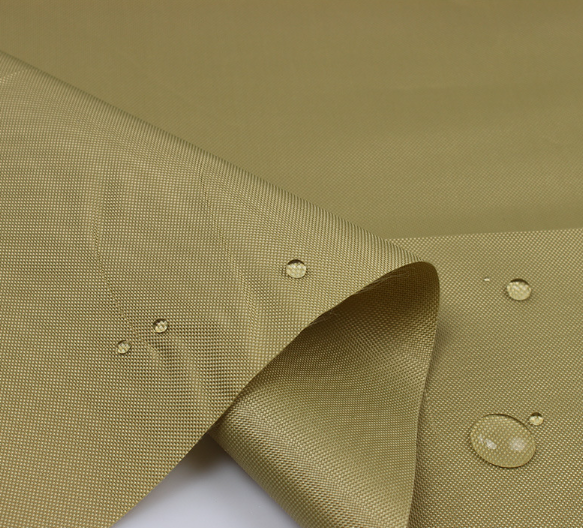
Color Fading
- The dyes used in polyester Oxford fabric may fade when exposed to direct sunlight for prolonged periods.
- Fading is more noticeable in bright or dark colors and occurs gradually with cumulative sun exposure.
- UV-resistant or solution-dyed polyester fabrics show better color retention compared to surface-dyed fabrics.
Material Degradation
- UV rays can weaken polyester fibers, making the fabric less flexible and more prone to tears.
- Prolonged sun exposure can cause a chalky or brittle surface appearance, especially in coated fabrics.
- High temperatures combined with UV radiation accelerate the breakdown of both fibers and surface coatings.
Factors Affecting Fading and Degradation
Several factors influence how quickly polyester Oxford fabric fades or degrades under sunlight. These include the fabric's weave density, coating type, colorant quality, and environmental conditions.
Fabric Density and Coatings
- Tightly woven fabrics with higher denier threads provide better resistance to UV penetration.
- PU or PVC coatings can shield fibers from direct UV exposure, enhancing color and structural durability.
Dye Quality and Method
- Solution-dyed polyester incorporates color into the fiber itself, offering superior UV resistance.
- Surface-dyed fabrics rely on coatings or top-layer dyes, which may fade faster when exposed to sunlight.
Environmental Factors
- Intense sunlight, high temperatures, and reflective surfaces can accelerate fading and fiber breakdown.
- Urban pollutants, such as ozone and nitrogen oxides, may also react with fabric fibers and dyes under sunlight.
Preventive Measures for Sun Protection
To maximize the lifespan and color retention of polyester Oxford fabric, proper care and preventive measures are essential.
UV-Protective Treatments
- Applying UV-blocking sprays or coatings can reduce degradation and fading from sunlight.
- Manufacturers can pre-treat fabrics with UV stabilizers during production for enhanced protection.
Proper Usage and Storage
- Limit prolonged exposure to direct sunlight when possible, especially for outdoor gear not in use.
- Store polyester Oxford items in shaded or indoor environments to maintain color and strength.
- Regular cleaning with mild detergents helps prevent surface dust and pollutants from accelerating degradation.
Selecting High-Quality Fabrics
- Choose solution-dyed polyester for outdoor applications to ensure longer-lasting color.
- Look for fabrics with UV-resistant coatings or laminates for additional protection.
- Check manufacturer specifications for UV exposure ratings and fade resistance.
Conclusion
Polyester Oxford fabric is a durable and versatile material, but prolonged exposure to sunlight can cause color fading and fiber degradation. Factors such as fabric density, coatings, dye quality, and environmental conditions play significant roles in determining how quickly these effects occur. By choosing high-quality fabrics, applying UV protection, and practicing proper storage and care, it is possible to extend the life and appearance of polyester Oxford fabric in both indoor and outdoor applications. Understanding these aspects allows consumers and manufacturers to make informed decisions about material selection and product longevity.