

 English
 中文简体
中文简体

Content
- 1 Key Material Properties That Support 3D Printing
- 2 3D Printing Technologies Used on Polyester Fabric
- 3 Advantages of Using 100% Polyester for 3D Print Fabric
- 4 Common Fabric Constructions for 3D Printing
- 5 Performance Comparison by Application
- 6 Design Possibilities with 3D Print Polyester Fabric
- 7 Durability and Care Performance
- 8 Environmental and Sustainability Considerations
- 9 How to Select the Right 3D Print Polyester Fabric
- 10 Quality Control and Production Best Practices
- 11 Future Trends in Polyester 3D Print Fabric
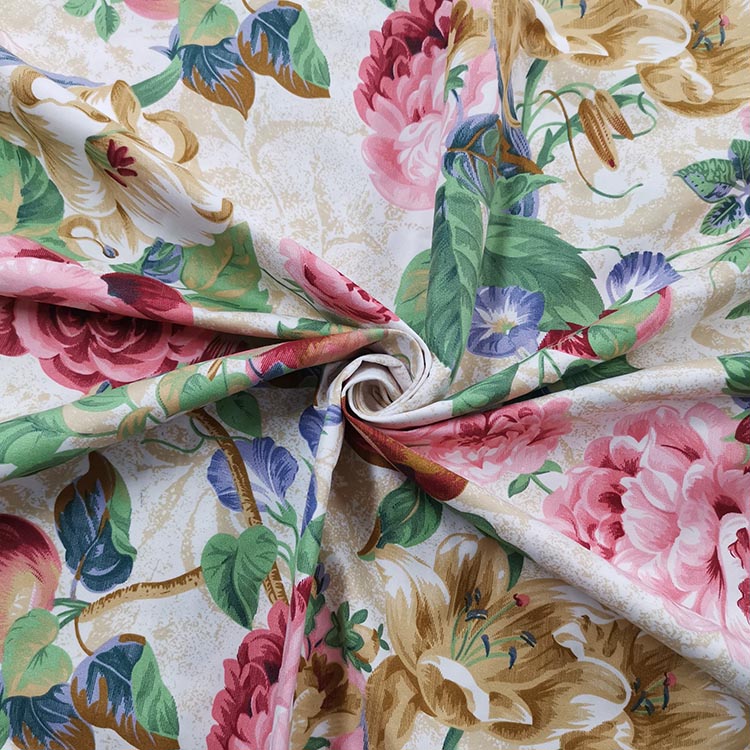
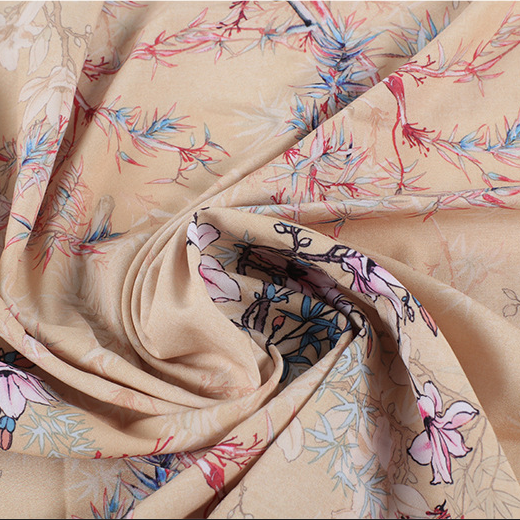
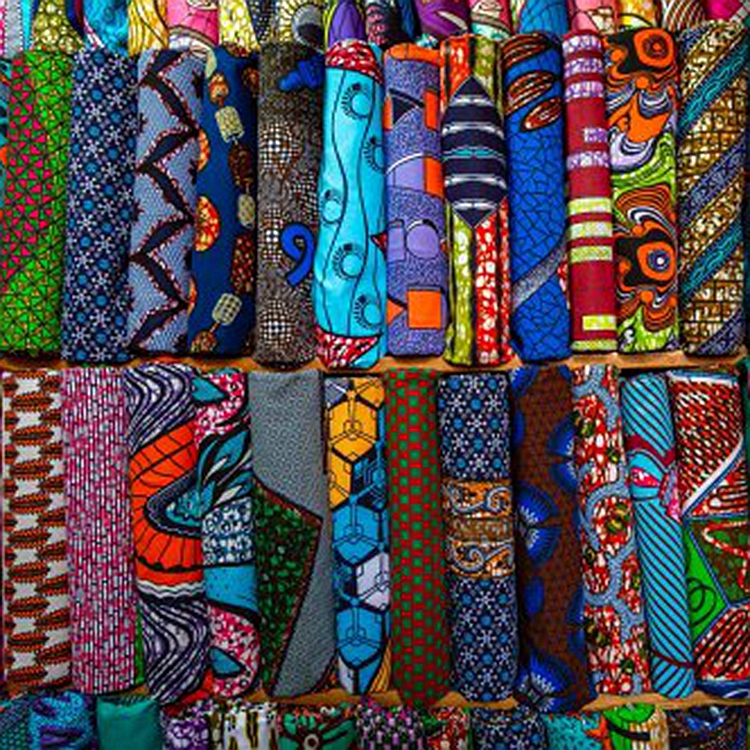
100% polyester 3D print fabric refers to textile materials made entirely from polyester fibers that are specifically engineered and finished for high-definition digital and three-dimensional printing processes. Unlike traditional screen-printed fabrics, 3D print fabric supports advanced printing techniques that allow for raised textures, layered visual depth, and highly detailed graphic effects. This combination of polyester fiber structure and modern printing technology makes the fabric suitable for applications that demand durability, vibrant colors, and long-term performance.
Polyester’s synthetic polymer structure provides a stable base for heat-based and ink-based printing systems. This stability ensures that complex patterns, gradients, and 3D visual effects can be applied without distortion, shrinkage, or color bleeding. As a result, manufacturers and designers increasingly rely on 100% polyester 3D print fabric for fashion, sportswear, upholstery, and promotional textiles.
Key Material Properties That Support 3D Printing
Polyester offers a unique balance of strength, flexibility, and thermal resistance, making it ideal for advanced printing. The fiber’s smooth surface allows inks and coatings to bond consistently, while its resistance to moisture ensures dimensional stability during printing and post-processing. These properties reduce defects and improve production yield.
Another important advantage is polyester’s low absorbency. Unlike natural fibers, polyester does not readily soak up moisture, which helps maintain sharp print edges and prevents ink migration. This characteristic is especially important in 3D printing processes that rely on precise layer placement.
3D Printing Technologies Used on Polyester Fabric
Sublimation Printing
Dye sublimation is one of the most common technologies used with 100% polyester 3D print fabric. In this process, special inks are converted into gas under heat and pressure, allowing them to bond directly with polyester fibers. This creates permanent, wash-resistant prints with high color saturation and smooth gradients.
UV and Latex Digital Printing
UV and latex printing technologies apply cured inks onto the fabric surface to create raised or textured effects. These systems are often used to simulate three-dimensional depth, logos, or tactile patterns. Polyester’s heat resistance and surface uniformity make it well-suited for these methods.
Direct-to-Fabric (DTF) Printing
Direct-to-fabric printing allows inks to be applied directly to polyester textiles, followed by curing. This method supports variable data printing and short production runs, making it ideal for customized 3D print fabric projects and rapid prototyping.
Advantages of Using 100% Polyester for 3D Print Fabric
- High color vibrancy and sharp image definition
- Excellent resistance to fading, washing, and abrasion
- Dimensional stability under heat and pressure
- Lightweight structure with strong tensile performance
- Consistent surface for precise 3D texture application
Common Fabric Constructions for 3D Printing
100% polyester 3D print fabric can be produced in a variety of constructions, each offering different performance characteristics. Knit fabrics provide stretch and comfort, making them ideal for sportswear and active apparel. Woven fabrics deliver structural stability, which is important for banners, upholstery, and wall coverings.
Nonwoven polyester fabrics are also used in specialized 3D printing applications, such as technical textiles and industrial displays. These constructions allow for controlled porosity and surface texture, which can enhance the visual depth of printed designs.
Performance Comparison by Application
| Application | Key Requirement | Polyester 3D Print Benefit |
| Sportswear | Stretch and durability | Colorfast prints with flexible fabric |
| Home textiles | Wash resistance | Long-lasting visual depth |
| Promotional displays | High visual impact | Sharp graphics and 3D effects |
| Upholstery | Abrasion resistance | Durable surface with textured prints |
Design Possibilities with 3D Print Polyester Fabric
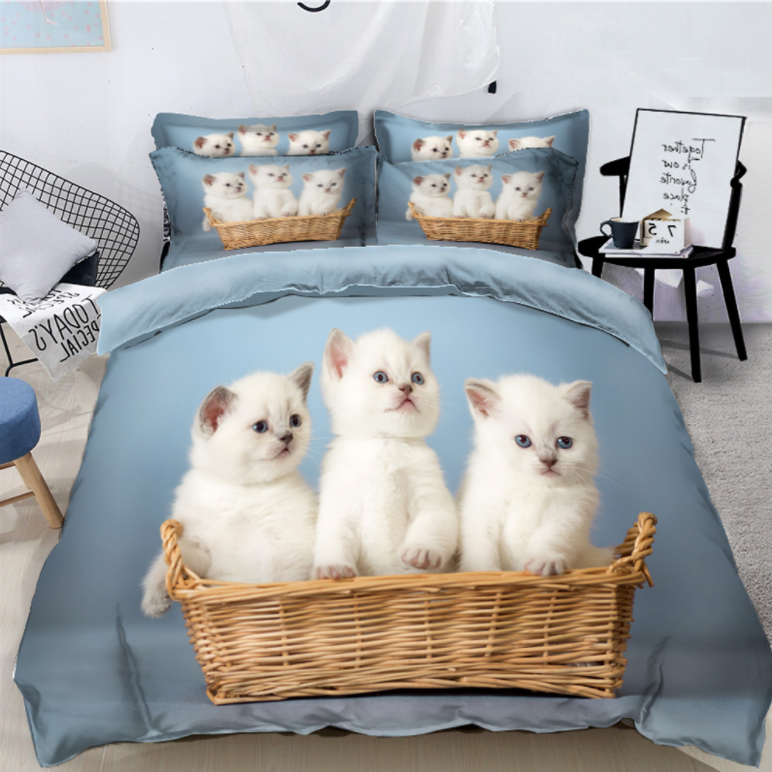
One of the most important benefits of 100% polyester 3D print fabric is its ability to support complex design concepts. Designers can create layered visual effects, simulated embossing, and optical depth that appear three-dimensional without adding heavy materials. This expands creative freedom while keeping production efficient.
In fashion and interior design, this capability allows brands to introduce premium visual textures at lower cost compared to traditional jacquard or embroidery. For marketing and branding, 3D print effects help create eye-catching graphics that stand out in retail and exhibition environments.
Durability and Care Performance
Polyester’s inherent durability ensures that 3D printed designs maintain their appearance over repeated washing and daily use. The chemical bond created during sublimation printing prevents cracking, peeling, or flaking. For surface-applied inks, proper curing and coating systems further enhance resistance to abrasion.
From a care perspective, most 100% polyester 3D print fabrics are machine washable and quick drying. They resist wrinkles and shrinkage, which helps preserve both the fabric structure and the integrity of the printed design over time.
Environmental and Sustainability Considerations
While traditional polyester is petroleum-based, many manufacturers now offer recycled polyester options suitable for 3D print fabric. These materials are made from post-consumer plastic bottles or industrial waste, reducing environmental impact while maintaining printing performance.
In addition, digital and 3D printing technologies typically use less water and generate less waste compared to conventional textile printing methods. This makes 100% polyester 3D print fabric an increasingly attractive option for brands focused on sustainability and efficient production.
How to Select the Right 3D Print Polyester Fabric
Selecting the right fabric starts with defining the end-use requirements. Factors such as weight, stretch, surface texture, and intended printing method should be evaluated. For apparel, lightweight and breathable knits are often preferred. For signage or upholstery, heavier woven polyester fabrics provide better structure.
It is also important to confirm compatibility with your chosen printing technology. Testing sample yardage before full production helps verify color accuracy, texture quality, and long-term durability.
Quality Control and Production Best Practices
Consistent quality in 100% polyester 3D print fabric production depends on proper fabric preparation, controlled printing parameters, and thorough inspection. Pre-treatment processes may be required to optimize ink adhesion and surface uniformity. Monitoring temperature, pressure, and curing time ensures repeatable results.
Post-print inspection should focus on color consistency, texture uniformity, and fabric hand feel. These checks help prevent defects and ensure that the final product meets both aesthetic and functional standards.
Future Trends in Polyester 3D Print Fabric
As printing technologies continue to evolve, polyester 3D print fabric is expected to support even more advanced textures, higher resolution graphics, and smarter functional coatings. Developments such as conductive inks, antimicrobial finishes, and interactive surfaces will further expand application possibilities.
These innovations will make 100% polyester 3D print fabric not only a decorative material, but also a functional component in smart textiles, technical apparel, and advanced interior solutions.