

 English
 中文简体
中文简体

Content
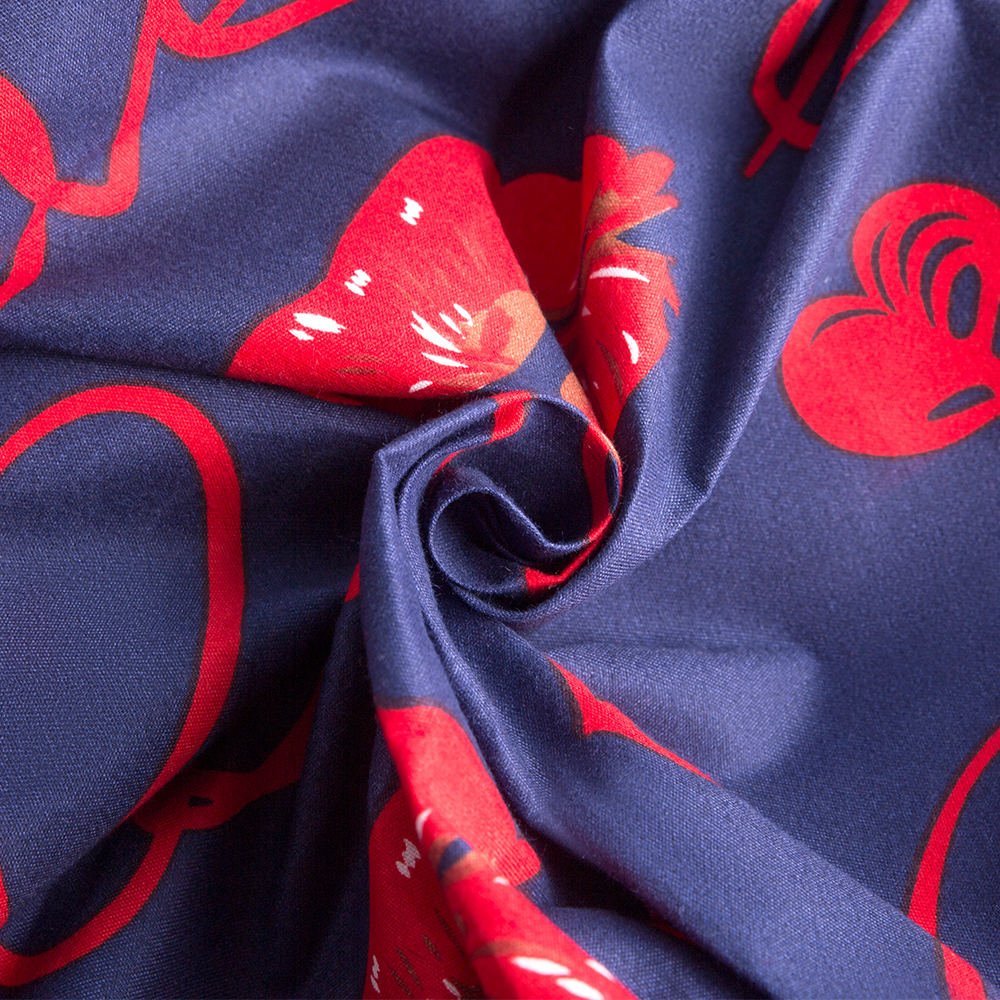
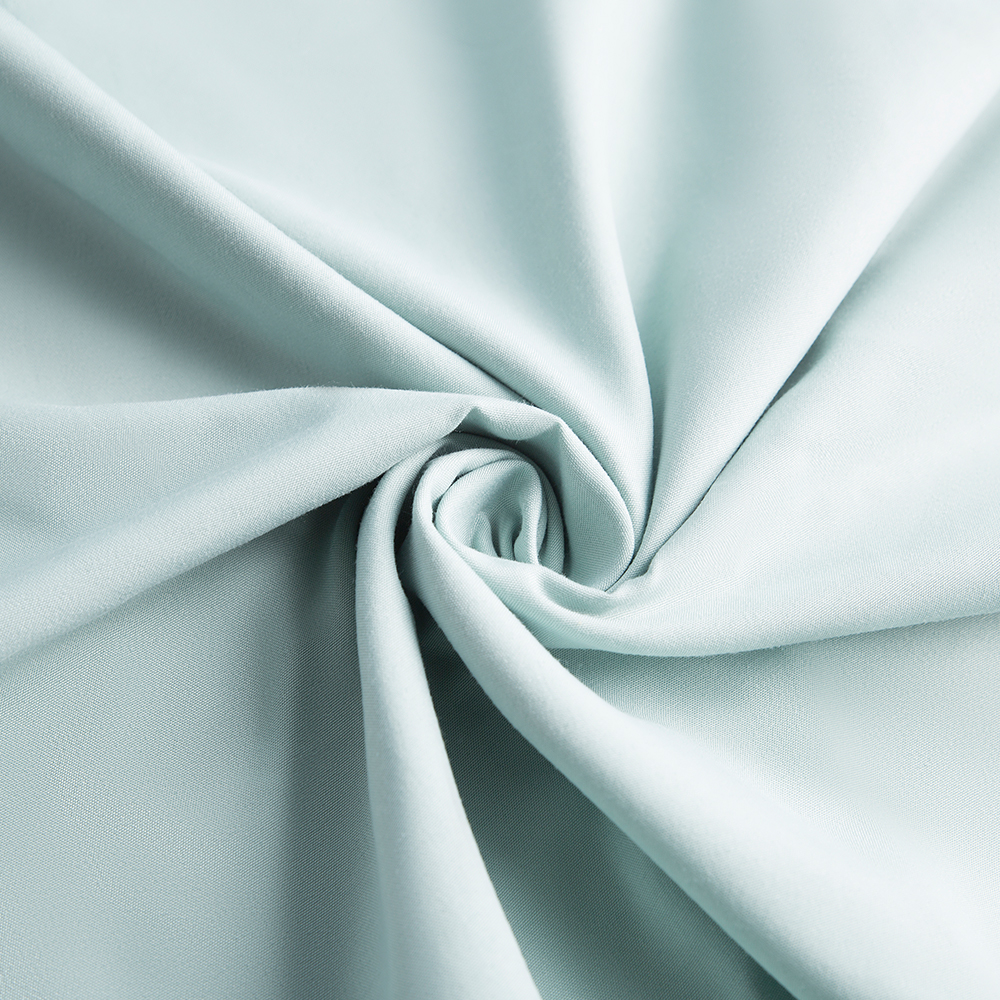
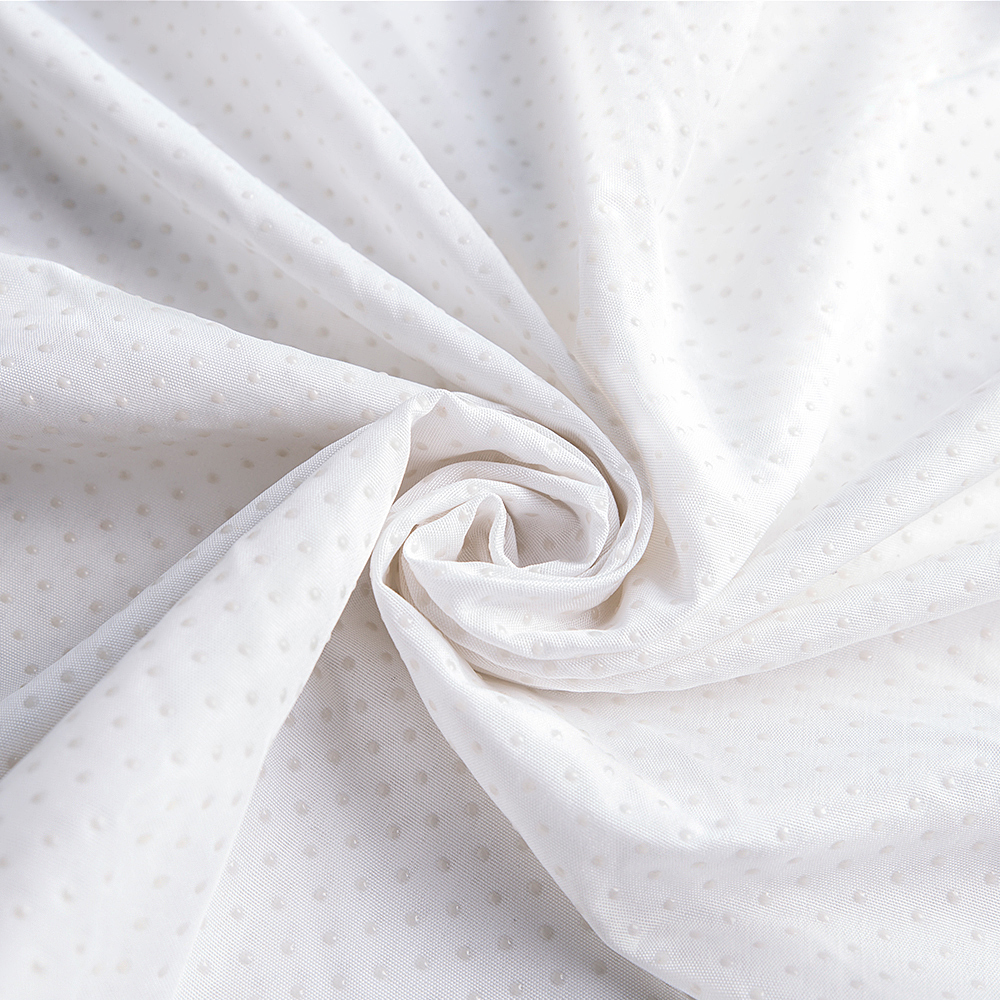
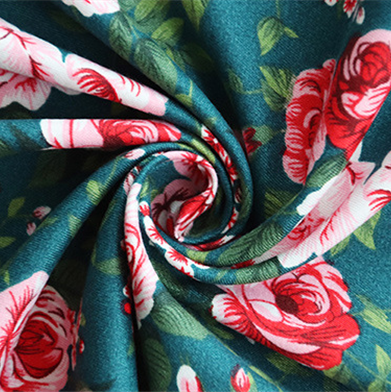
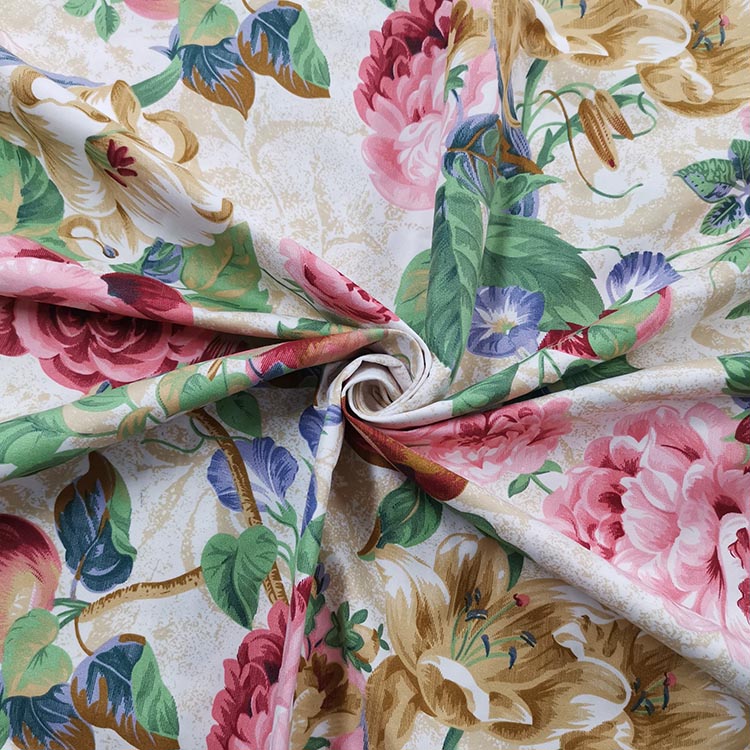
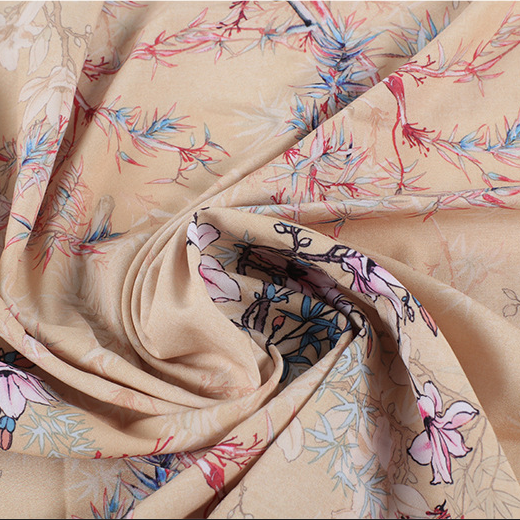
Printing home textile fabric plays a crucial role in interior decoration, comfort, and functionality. From curtains and sofa covers to bedding and cushions, printed fabrics define the visual identity of a living space while also meeting practical requirements such as durability, washability, and comfort. Choosing the right printed fabric is not only about aesthetics but also about long-term performance in daily use.
Different home textile applications place varying demands on fabric structure, fiber composition, and print quality. Understanding these differences helps homeowners, designers, and buyers make informed decisions that balance style, cost, and usability.
Common Fabric Materials Used in Printed Home Textiles
The base fabric has a significant impact on how a printed design appears and how well it performs over time. Each fiber type offers unique characteristics that suit different home textile products.
Cotton and Cotton Blends
Cotton is widely used in printed home textile fabric due to its softness, breathability, and excellent print absorption. Printed cotton fabrics are ideal for bed sheets, pillowcases, and lightweight curtains. Cotton blends with polyester improve wrinkle resistance and dimensional stability while maintaining good print clarity.
Polyester and Synthetic Fabrics
Polyester fabrics are known for durability, colorfastness, and resistance to shrinking. They are commonly used for printed upholstery fabrics, curtains, and decorative covers. Modern printing techniques allow polyester to achieve vibrant colors and sharp patterns suitable for long-term use.
Linen and Linen Blends
Linen offers a natural texture and elegant appearance, making it popular for high-end home textiles. Printed linen fabrics work well for curtains and table linens, though they may require more careful maintenance due to creasing and fiber sensitivity.
Key Printing Techniques for Home Textile Fabrics
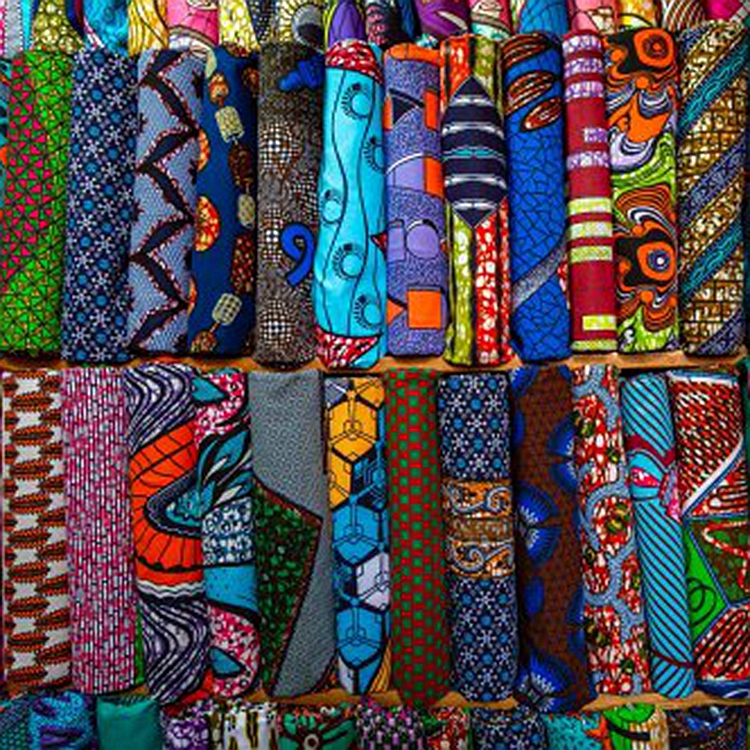
The printing method determines color depth, pattern precision, and durability. Selecting the right technique is essential for achieving the desired visual and functional outcome.
Reactive Printing
Reactive printing chemically bonds dyes with natural fibers like cotton and linen. This results in excellent color fastness, softness, and breathability. It is ideal for bedding and fabrics that come into direct contact with skin.
Pigment Printing
Pigment printing is versatile and cost-effective, suitable for a wide range of fibers. It places color on the fabric surface using binders, making it ideal for decorative home textiles such as cushions and curtains, though the hand feel may be slightly stiffer.
Digital Printing
Digital printing allows for complex patterns, high color accuracy, and low minimum order quantities. It is increasingly popular for customized or trend-driven home textile collections, offering design flexibility and fast production cycles.
Matching Printed Fabric to Specific Home Textile Uses
Each home textile category has distinct functional requirements that influence fabric and print selection.
Curtains and Drapes
Printed curtain fabrics should balance visual impact with light control and durability. Polyester or blended fabrics with pigment or digital printing are commonly used to ensure color stability under sunlight exposure.
Bedding and Bed Linens
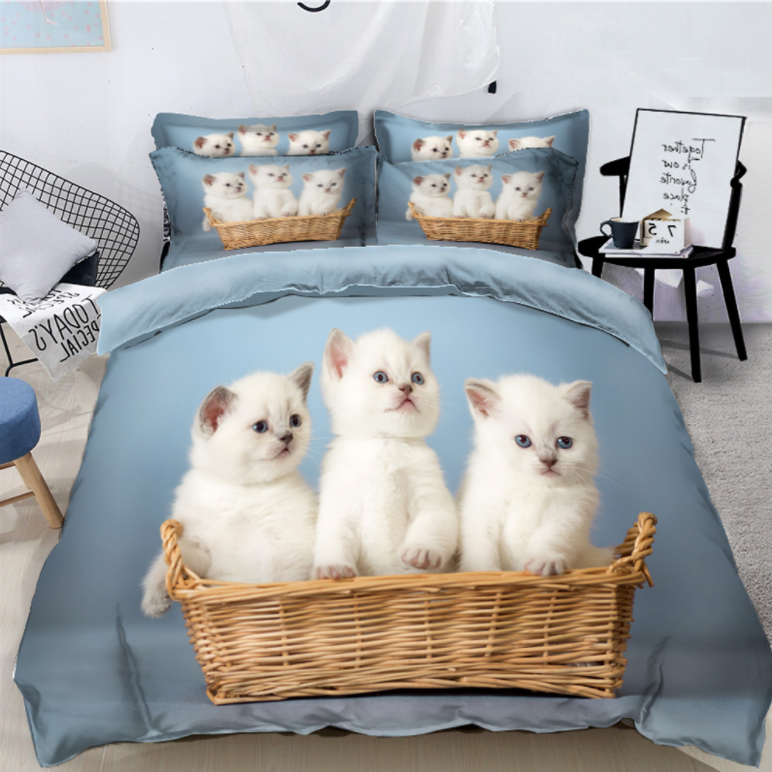
For bedding, softness, breathability, and wash durability are priorities. Reactive printed cotton or cotton blends are preferred to maintain comfort and vibrant designs after repeated laundering.
Upholstery and Sofa Covers
Upholstery fabrics require higher abrasion resistance and structural strength. Polyester, jacquard, or heavy blended fabrics with durable printing methods ensure long service life and resistance to fading.
Evaluating Print Quality and Color Fastness
High-quality printed home textile fabric should maintain color clarity and pattern definition throughout its lifespan. Print quality can be evaluated through visual inspection and performance testing.
- Check for even color distribution and sharp pattern edges.
- Assess wash and rub fastness to ensure long-term appearance.
- Ensure resistance to light fading, especially for sun-exposed areas.
Design, Pattern, and Style Considerations
Printed fabric design should complement interior themes and spatial proportions. Large patterns create bold visual statements, while small or repetitive motifs offer subtle elegance. Color selection should align with room lighting, furniture tones, and overall décor style.
Trendy designs can refresh a space quickly, but timeless patterns are better suited for long-term use in major home textile investments such as curtains and sofas.
Sustainability and Safety Factors
Eco-conscious consumers increasingly prioritize sustainable printed home textile fabric. This includes using water-based inks, low-impact dyes, and certified raw materials. Fabrics should comply with safety standards for formaldehyde content and harmful substances, especially for bedrooms and children's spaces.
Conclusion
Choosing the right printed fabric for home textiles requires careful consideration of material, printing technique, application, and design intent. By matching fabric performance with functional needs and aesthetic goals, it is possible to achieve durable, comfortable, and visually appealing home textile solutions that enhance living spaces for years to come.