

 English
 中文简体
中文简体

Content
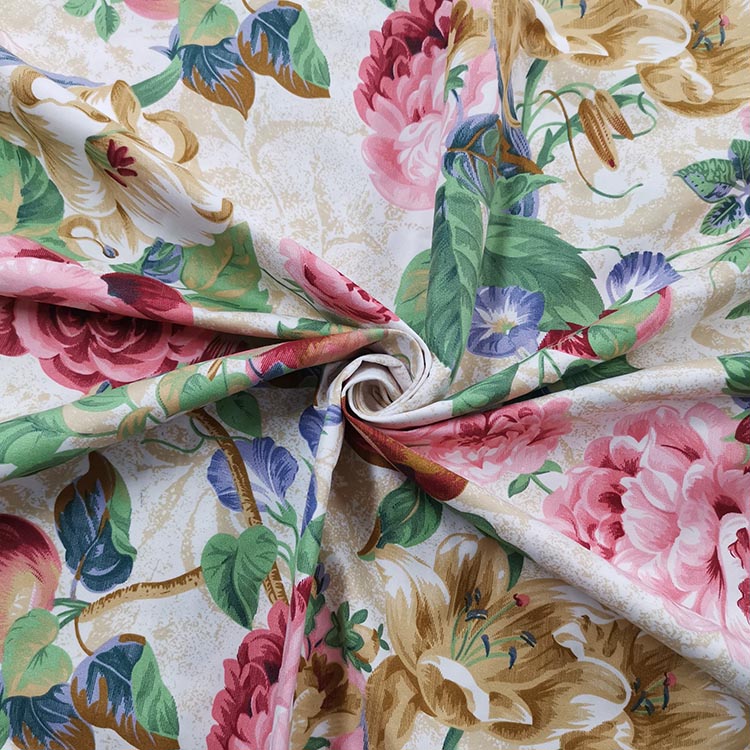
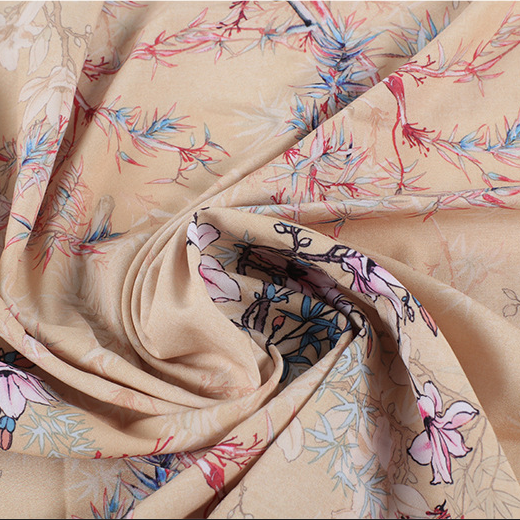
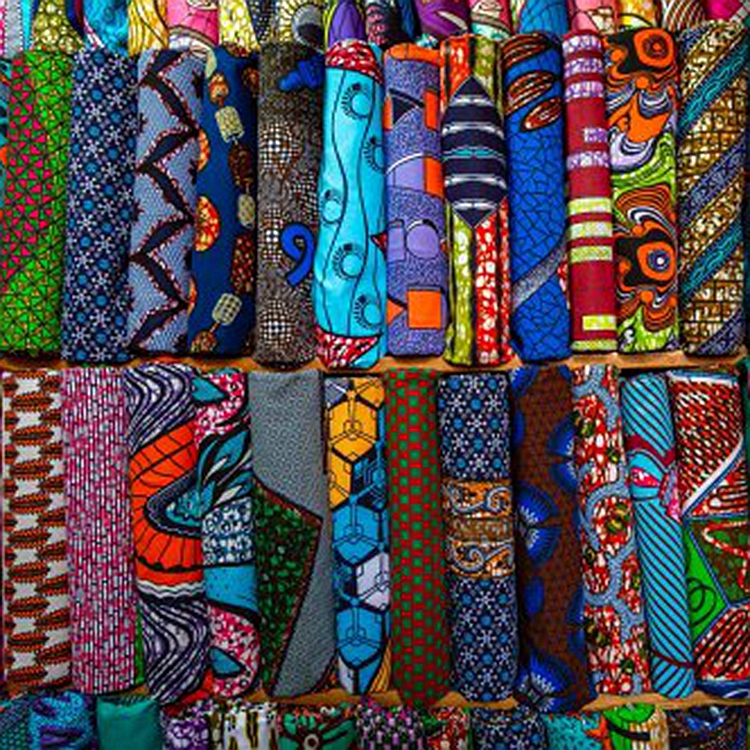
Brushed print may sound like a term from the framed-photo world, but for textile buyers it means something more tactile: a brushed polyester fabric that carries a printed pattern. The combination gives home textiles a soft, peach-skin surface with the design freedom of modern printing. At Changxing Xinhe Textile, we have been working with 100% polyester microfiber for more than 30 years, and brushed print is one of the most practical ways we know to make fabric feel cozy and look distinctive at the same time.
What Is Brushed Print in Textiles?
Brushing, or sanding, is a mechanical finishing process. Fine abrasive rollers pass over the fabric surface and lift short fibers from the yarns, creating a subtle nap. This reduces the cold, slippery feel of raw polyester and improves the way the fabric sits against the skin. When printing is applied after brushing, the ink or dye settles on a softer surface, which gives colors a matte, velvety depth.
Brushed print is not a single product. It can be made from woven polyester microfiber, knitted fabric, or even nonwoven constructions, depending on the final application. For bedding and home textiles, a woven 100% polyester microfiber base is usually the most reliable choice. It offers dimensional stability, even brushing, and a consistent surface for printing.
At the factory, we often say that brushing makes the fabric feel better before the design is even considered. Once the brushed base is right, the printed pattern can add personality without interfering with the hand feel. If you are evaluating a brushed print for a new bedding or curtain program, the brushed dyed base is a good place to start.
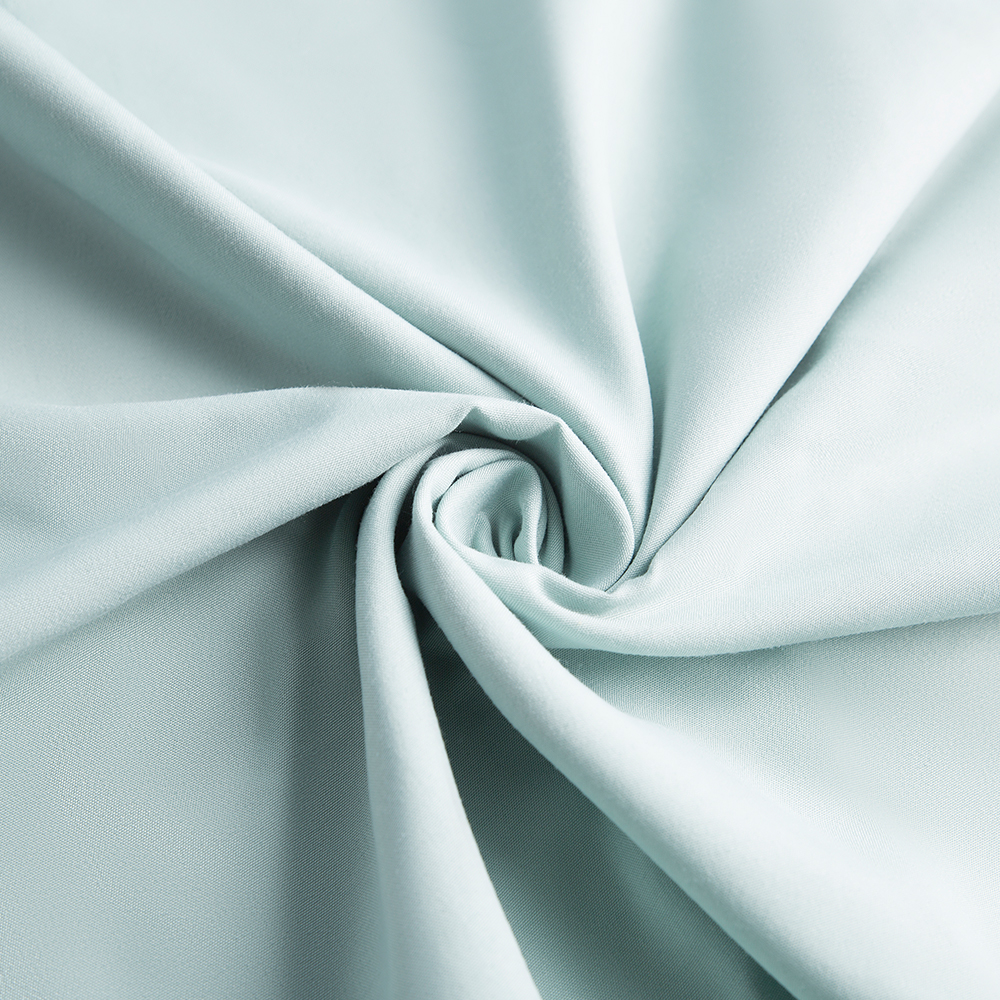
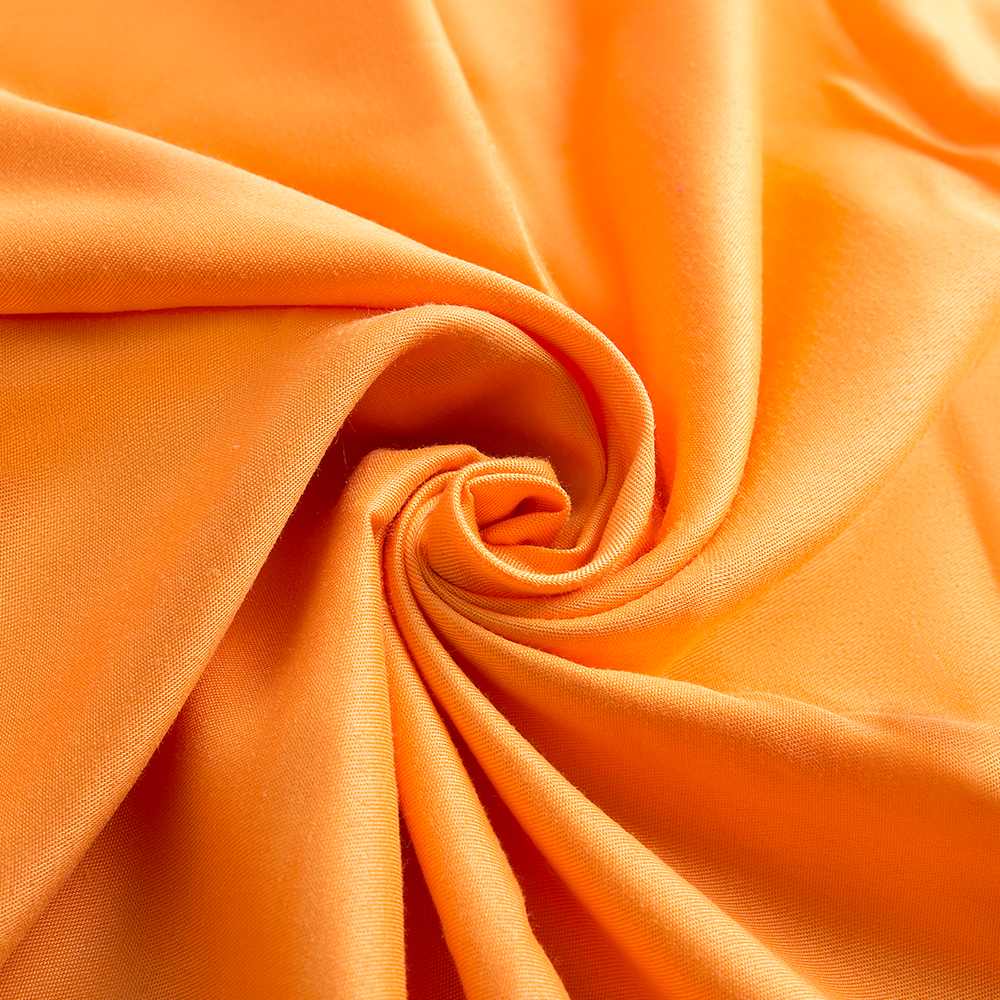 Brushed Dyed Polyester Microfiber Home Textile FabricA brushed dyed base that combines softness with visual depth, ideal for bedding or curtains where hand feel matters. Starting here helps you evaluate how the nap and color work together before adding patterns.View Product →
Why Choose Brushed Print for Home Textiles?
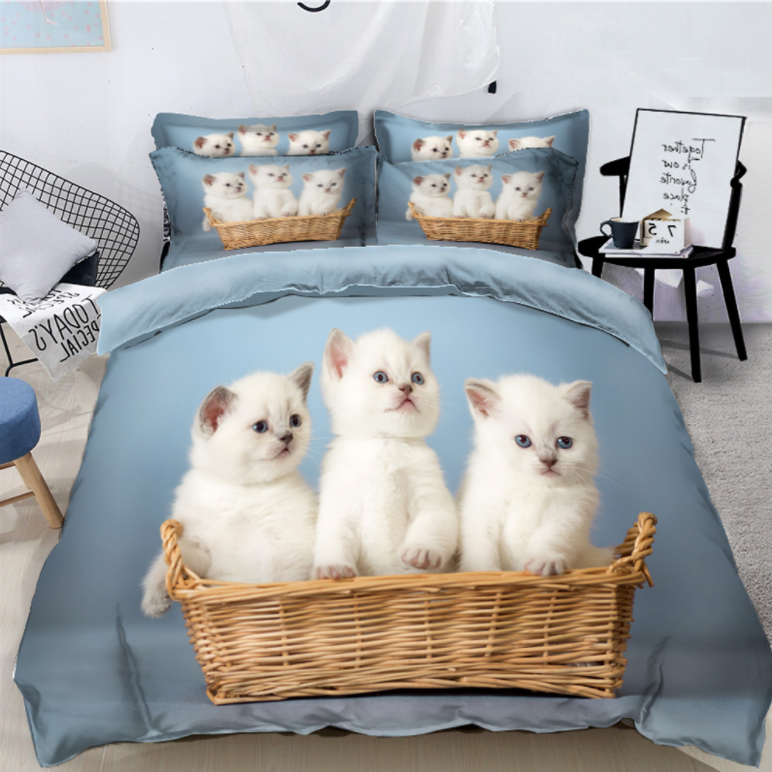
Buyers choose brushed print because it combines two important qualities: comfort and visual interest. Standard printed polyester can feel smooth and crisp, while a brushed printed fabric feels softer, warmer, and more inviting. For products that touch the skin, such as quilts, mattress covers, and loungewear, the difference is immediately noticeable.
- Softer hand feel: The raised surface creates a peach-skin texture that is gentle against the skin.
- Matte color depth: Printing on a napped surface gives colors a subtle, elegant finish.
- Light warmth: The tiny pockets of air created by brushing add light insulation.
- Easy maintenance: Polyester microfiber dries quickly and resists shrinking and creasing.
- Design flexibility: Printed patterns can be updated quickly without developing new yarn colors.
Of course, the quality of the brushing matters. Uneven brushing can produce patchy color or a rough surface. That is why we control the brushing process on the same polyester microfiber base used for our regular dyed fabrics, so the nap is consistent before the print is applied.
Brushed Print vs. Standard Printed Polyester
The table below outlines the main differences.
| Aspect | Brushed print | Standard printed fabric |
|---|---|---|
| Surface feel | Soft, peach-skin nap | Smooth and crisp |
| Color appearance | Matte depth, gentle softness | Sharper, more direct color |
| Warmth | Added light insulation | Minimal added warmth |
| Best uses | Bedding, curtains, mattress covers, loungewear | Apparel, linings, accessories |
| Care | Gentle wash, low-heat dry | Standard polyester care |
Which one is better depends on the end user. If the goal is an ultra-soft bedroom product, brushed print has a clear advantage. If the design needs extremely sharp detail on a smooth surface, a standard print may be the better option.
Printing Methods That Work Well on Brushed Fabric
After the fabric is brushed, the next question is how to add the print. The right method depends on the design, the scale of production, and the final use.
Digital Printing
Digital printing is an excellent match for brushed polyester microfiber. It prints directly from design files, which means registration is accurate and color changes are easy. It also allows buyers to test small batches before committing to a large run. On a brushed surface, digital print produces a detailed pattern with a soft, slightly muted richness.
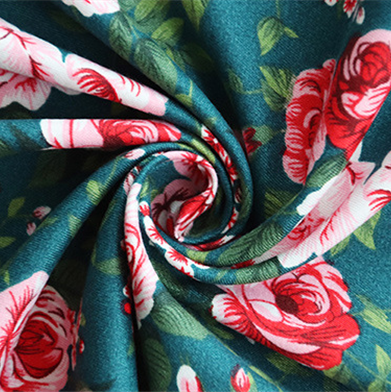
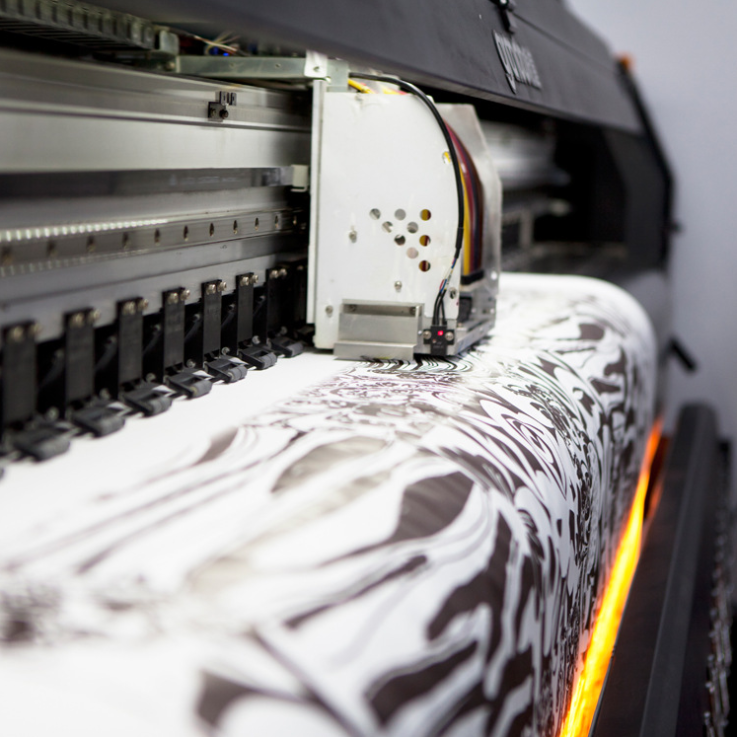 Digital Print Polyester Microfiber FabricDigital printing on brushed polyester delivers detailed patterns while preserving a soft touch. This option allows easy color changes and small trial runs, making it practical for testing designs before larger production.View Product →
Pigment Printing
Pigment printing applies color to the surface of the fabric and is widely used in home textiles. It works well on brushed fabric because it can preserve a soft hand feel and, when properly cured, offers good washability. Pigment printing home textile fabric is a practical choice for bedding and decorative fabrics where comfort is as important as appearance.
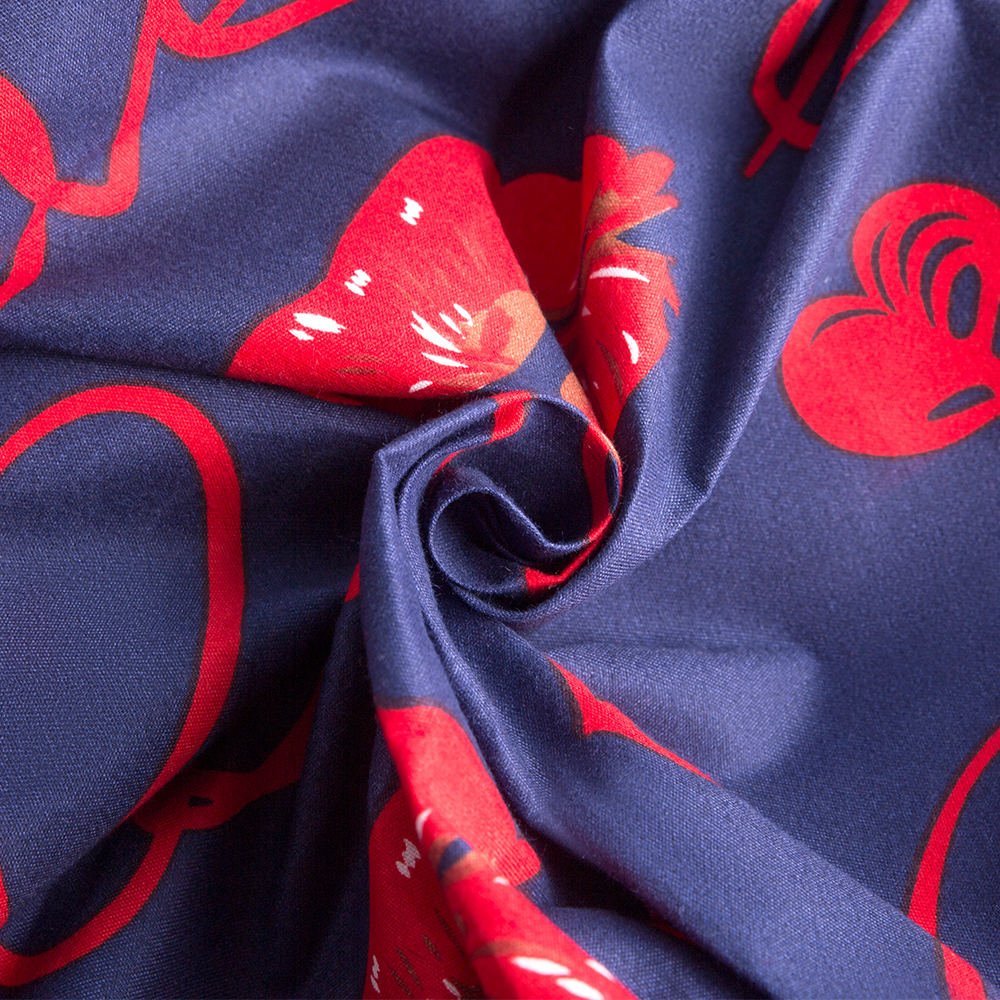
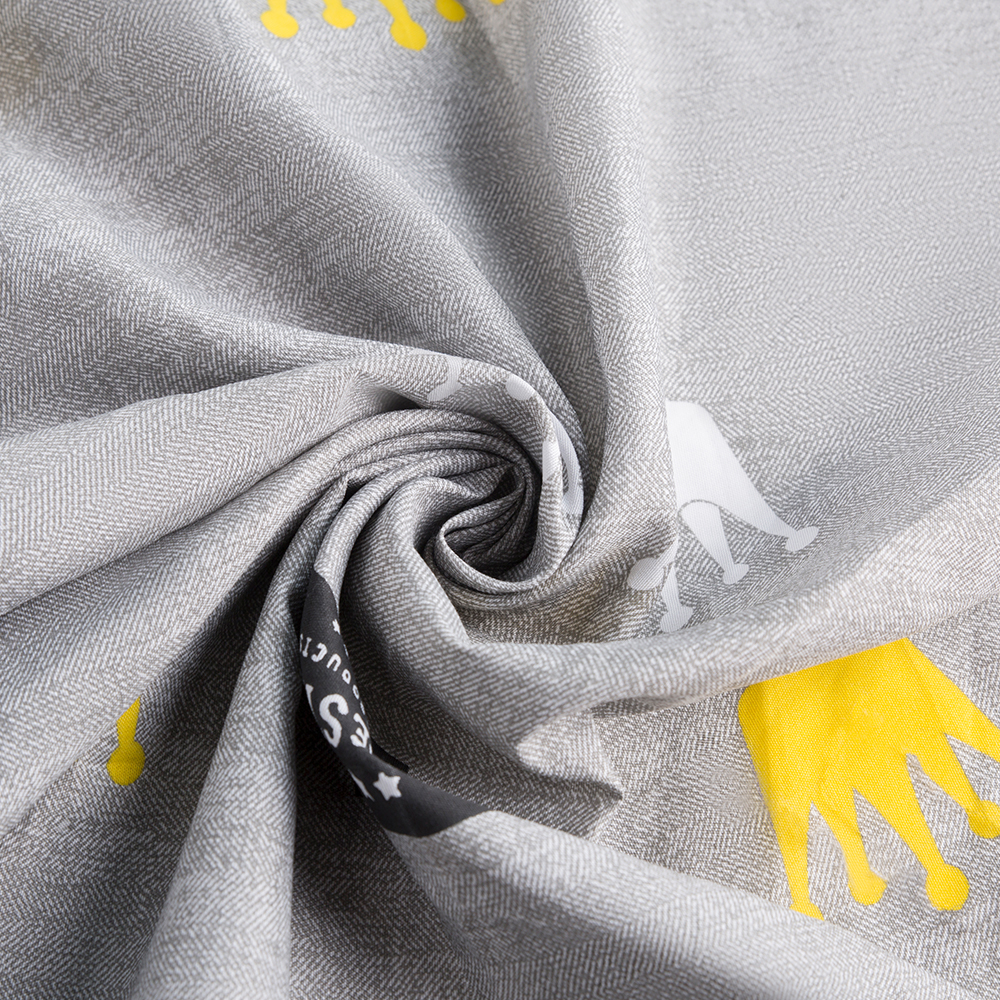 Pigment Printed Polyester Microfiber FabricPigment printing on brushed microfiber keeps the fabric soft and comfortable while offering good washability once cured. A practical choice for bedding and decorative textiles where both feel and appearance are important.View Product →
Disperse Printing
Disperse dyeing is the traditional method for coloring polyester. Disperse dyes penetrate the microfiber and provide strong color saturation and wash fastness. On a brushed fabric, disperse printing can deliver bright, saturated colors, although the nap may feel slightly less prominent after the heat treatment. The final choice should be based on a development swatch, not just on a photo.
Because brushing changes the surface texture, not every printing mill handles brushed goods with the same consistency. A supplier that controls both brushing and printing can simplify communication, shorten sampling time, and keep the quality stable from development to bulk production.
How to Care for Brushed Print Fabric
Brushed print fabric is easy to look after, but a few simple habits will keep the nap and colors looking fresh for longer.
- Wash inside out in cold or warm water on a gentle cycle.
- Use a mild detergent and avoid chlorine bleach.
- Fabric softener is not necessary; the brushing process already provides the soft feel.
- Air dry or tumble dry on low heat.
- Iron on the reverse side with a low-temperature setting if needed.
- Separate dark and bright colors for the first few washes.
These steps protect both the print and the brushed surface. If you would like to know more about why brushed print is becoming a trend in modern fabric design, we have written a short industry note that explains how designers are using it in their collections.
Where to Use Brushed Print Fabric
Because brushed print combines comfort with visual interest, it appears in many home and apparel products.
- Quilts, duvet covers, and bed skirts
- Curtains and drapery panels
- Mattress covers, bed pads, and upholstery fabrics
- Throw pillows, blankets, and sofa throws
- Loungewear, robes, and sleepwear
Each application benefits from the brushed surface in a slightly different way. In bedding, it adds warmth; in curtains, it creates a soft drape; in mattress covers, it gives a gentle resting surface. In all cases, the print turns a functional textile into a design element.
Custom Development and Sampling
One of the advantages of working with a manufacturer is the ability to build a fabric around your own idea. Brushed print can be adjusted in many ways: base weight, brushed nap height, print method, color palette, and finishing. Our development team can work from a customer sample, a design file, or even a rough description of the final product.
A typical project follows a simple path:
- Send us your design, target weight, or an existing sample.
- We select a suitable 100% polyester microfiber base and brushing route.
- We print a small development swatch for your approval.
- We adjust color, nap, or print depth based on your feedback.
- After approval, we move to bulk production with regular in-line inspection.
If you are planning a new bedding line, a curtain collection, or a mattress program, we can discuss construction details, colorfastness, and packaging. Contact our team with your target specifications, and we will advise on a practical brushed print solution.
Brushed print is about combining comfort with color. It allows a manufacturer to offer a product that feels good in the hand and looks right in the room. Whether you need a soft brushed dyed base for a future print or a complete custom printed design, a partner with experience in both brushing and printing can help you get the details right from the first sample.