

 English
 中文简体
中文简体

Content
When you compare brushed microfiber samples from different mills, the first thing you notice is not the fiber content listed on the tag. It is the way the fabric feels in your hand. One sample may feel plush and dense, while another feels thin and slippery, even though both are labeled 100% polyester microfiber brushed fabric. The difference comes down to fiber fineness, brushing parameters, and the consistency of dyeing and finishing. For a buyer who needs repeatable softness and color across orders, the reliable path is to specify the fabric construction precisely and source from a supplier that controls the process from grey fabric to the finished brushed product.
What Makes 100% Polyester Microfiber Brushed Fabric Different?
100% polyester microfiber brushed fabric is not simply polyester fabric that has been sanded. It starts with ultra-fine polyester filaments, typically under 1 denier, and often between 0.5 and 0.8 denier. These fine fibers create a denser, softer surface than standard polyester. The brushing process then lifts individual fibers from the surface, creating a nap that traps air and gives the fabric its characteristic soft hand feel. This structure also allows the fabric to drape well, which makes it popular for bedding, curtains, and other home textiles.
Because the fibers are very fine, the fabric can be brushed on one side or both sides. Single-brushed fabric has a soft surface on one side and a smooth back, while double-brushed fabric has a plush nap on both sides, offering a warmer, more enveloping feel. The choice affects weight, warmth, and cost, so it should be made deliberately, not left to chance.
How the Brushing Process Affects Hand Feel and Performance
Brushing is a mechanical process. Fabric passes over rotating cylinders covered with fine wire bristles that abrade the surface and pull loops out of the weave. The key variables are bristle density, cylinder speed, and the number of passes. If the brushing is too aggressive, the fibers can be damaged, leading to pilling and a shortened lifespan. If the brushing is too light, the fabric lacks the plushness buyers associate with premium brushed microfiber.
After brushing, finishing steps such as shearing, tumbling, or heat-setting help stabilize the nap. Proper heat-setting also minimizes shrinkage, which is a common complaint with polyester microfiber. A reliable supplier will run a mill trial on your target color and check the pilling grade before committing to production. For a deeper look at how brushing affects softness, you can read this article on brushed fabric softness.
Key Specifications to Check When Buying
Before you place a large order, ask your supplier for a technical specification sheet. These are the minimum values that should be on it:
| Parameter | Typical Range | Why It Matters |
|---|---|---|
| Fiber denier | 0.5–0.8 D | Lower denier means softer feel but requires careful processing. |
| Weight | 70–120 GSM | Determines thickness, warmth, and cost. |
| Width | 150–280 cm | Affects cutting efficiency and waste. |
| Colorfastness to light | Grade 4 or above | Prevents fading after exposure to sunlight. |
| Colorfastness to laundry | Grade 4 or above | Ensures color stays stable after washing. |
| Pilling grade | Grade 4 or above | Indicates resistance to fuzzing and pills. |
| Shrinkage | ≤ 2% | Prevents dimensional changes in finished products. |
| Brushing type | Single or double | Determines hand feel and application suitability. |
These numbers let you compare offers objectively. A fabric that looks similar in hand can have very different pilling or shrinkage performance, and those differences appear only after the fabric has been used or washed.
Common Applications in Home Textiles
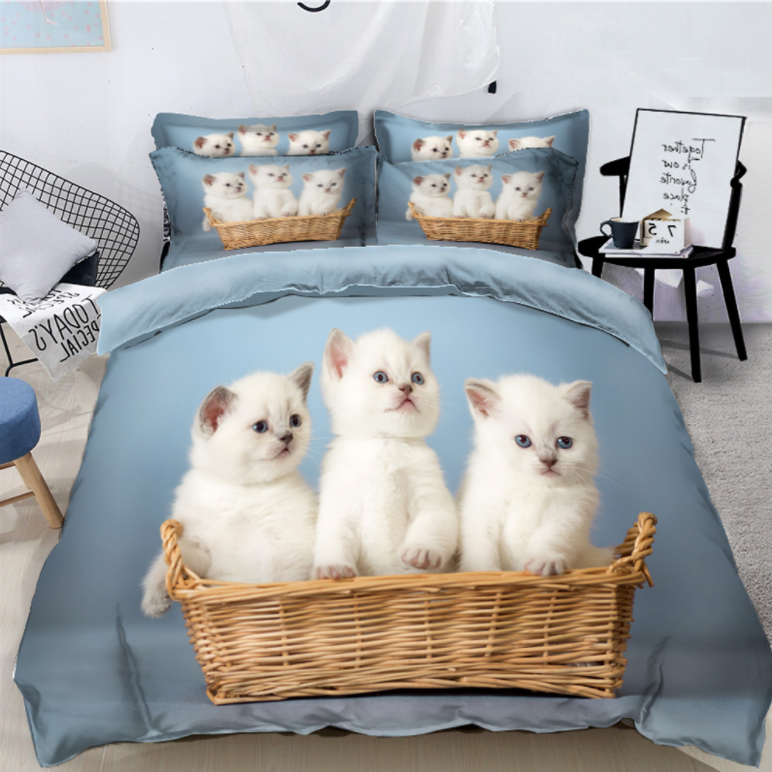
The combination of softness, durability, and relatively low cost makes 100% polyester microfiber brushed fabric a staple in home textiles. It is used for sheets, pillowcases, duvet covers, and quilted comforters because the brushed surface feels pleasant against the skin. The fabric is also common in curtain fabrics, where the weight and drape help create a full, finished look. In mattress and pillow production, brushed microfiber is used as an outer cover or as a bonded layer for added comfort.
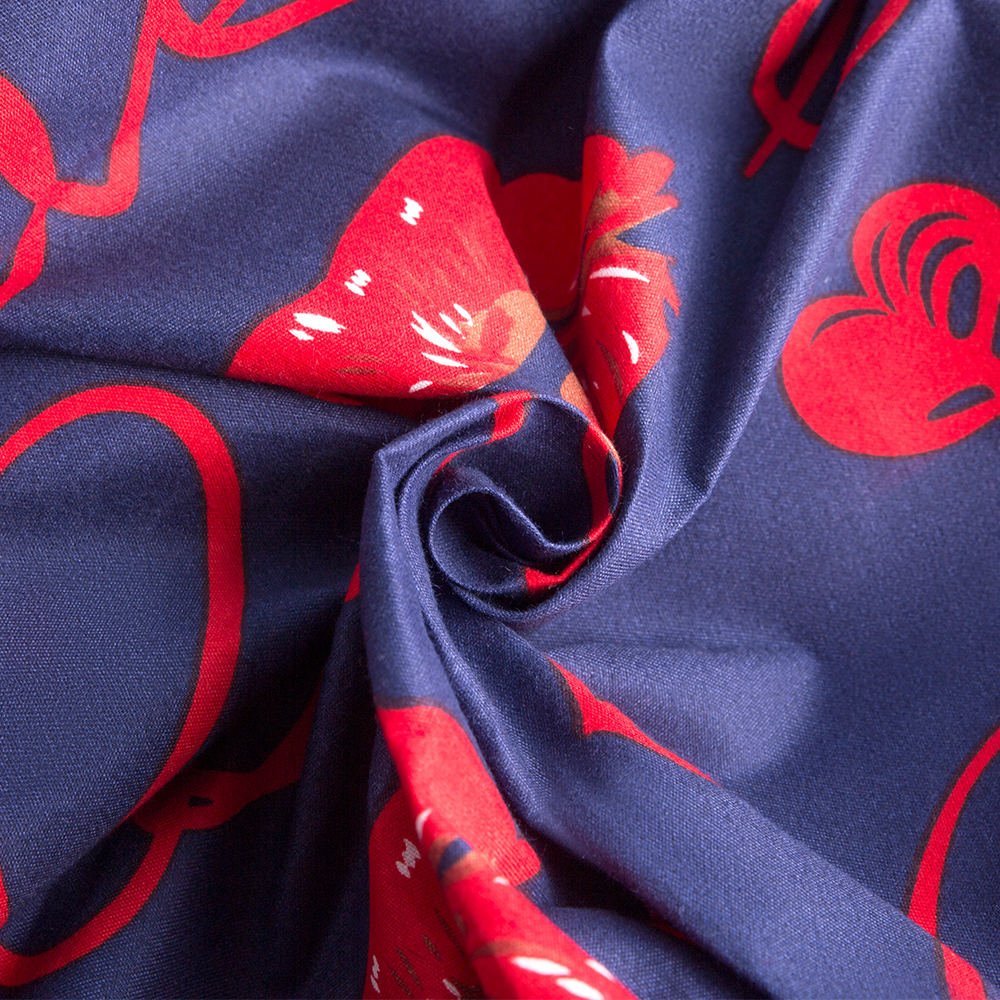
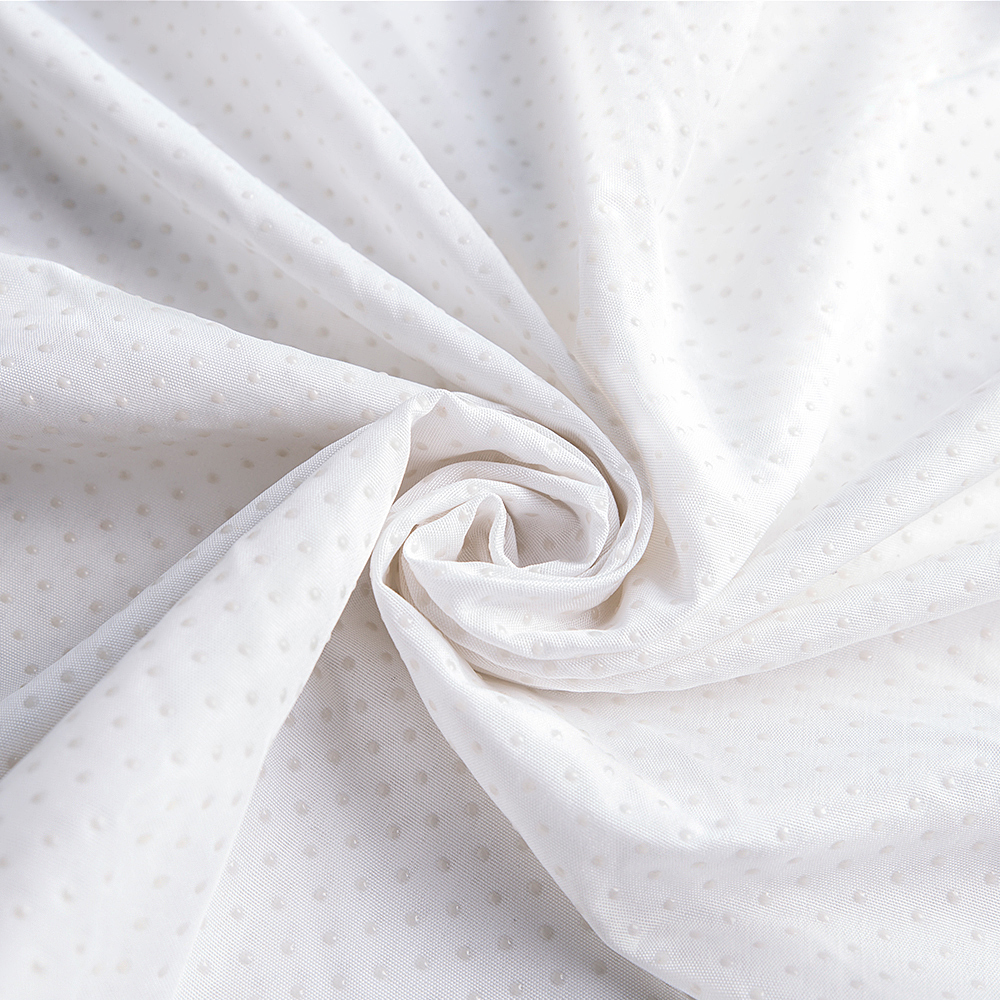
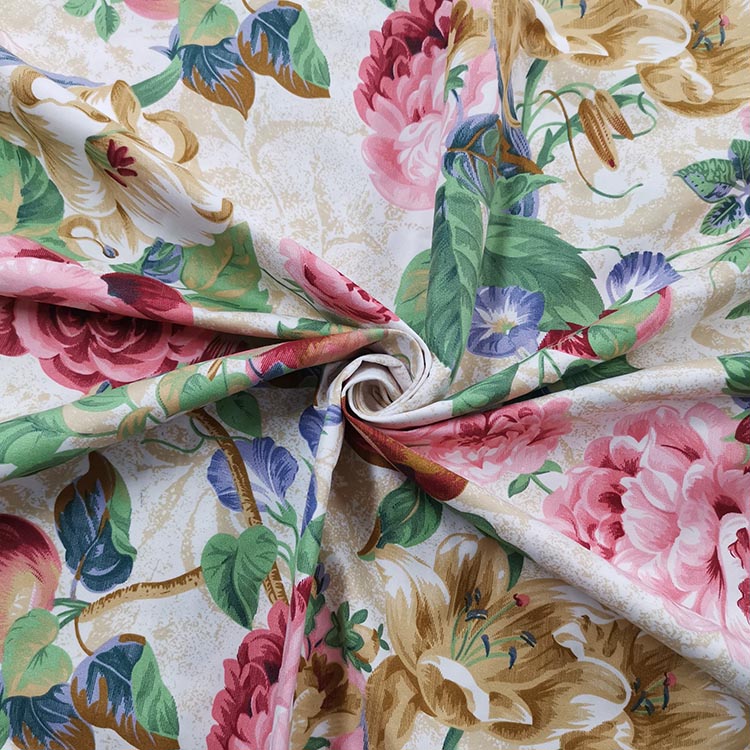
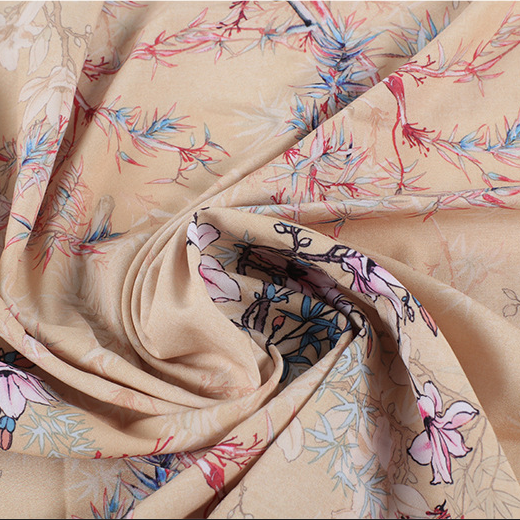
Beyond these standard uses, the same fabric can be the base for functional finishes. For example, antiskid dot coating can be applied to make a non-slip mat for beds or sofas. Printed versions, especially pigment prints and digital prints, allow designers to add patterns without losing the soft hand feel. Manufacturers who need a consistent, soft, and colorfast material for a specific product line often source brushed dyed home textile fabric directly from a factory that can control both dyeing and brushing.
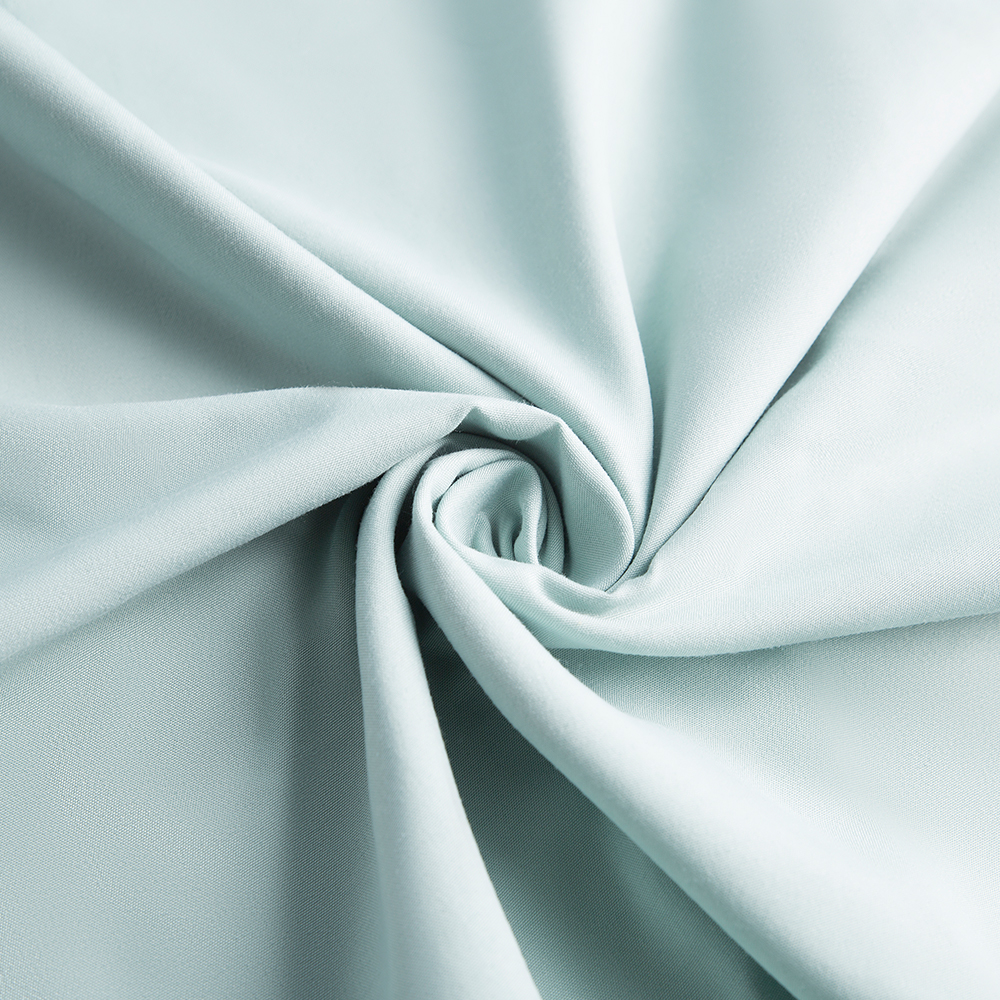
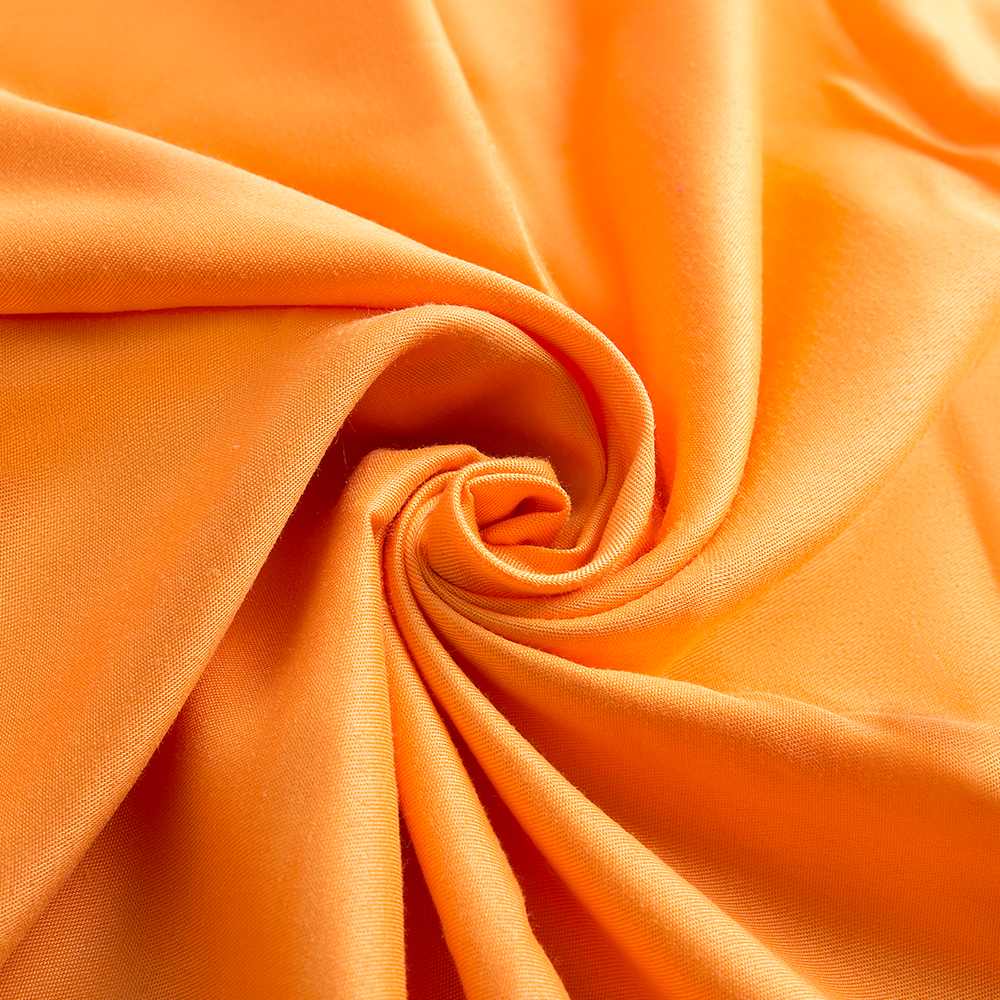 100% Polyester Microfiber Brushed Dyed Home Textile FabricThis brushed dyed polyester microfiber fabric offers a soft, cozy feel, ideal for bedding, sofas, and other home textiles. It can also serve as a base for functional finishes or prints, and sourcing from a mill with in-house dyeing and brushing ensures consistent quality.View Product →
What to Look for in a Supplier
When you are sourcing 100% polyester microfiber brushed fabric, the supplier's level of control over the production chain matters more than the sample alone. A mill that weaves its own grey fabric, owns dyeing capacity, and performs brushing in-house can offer better consistency and faster correction of issues. This is especially important for brushed fabrics because brushing performance depends on the weave construction and the yarn quality, not just the finishing step.
A qualified supplier should be able to develop fabric from your samples and provide small trial runs before bulk production. They should also share their quality control procedures, including testing for colorfastness, pilling, and shrinkage. Many factory-direct suppliers in China offer this kind of service because they are integrated from grey fabric to finished goods. If you want to evaluate a potential partner, you can contact our team to discuss your requirements and request a sample set.
Ask about their annual production capacity and whether they can accommodate mixed orders or various finishing options. A clear answer on capacity helps you predict lead times and avoid supply gaps. Also, confirm whether they can provide the brushing type (single or double) and the exact GSM you need, because changing these variables late in the process can cause delays.
The right 100% polyester microfiber brushed fabric is not just the one that feels best in your hand. It is the one that meets your technical requirements, performs consistently after washing, and comes from a supplier who can verify the process. Start by defining the fiber denier, weight, colorfastness, and pilling grade you need. Then work with a factory that has the equipment and quality checks to deliver those specs every time. That approach avoids the common pitfalls of buying brushed fabric based on samples alone.