

 English
 中文简体
中文简体

Content
- 1 Why Fabric Choice Determines How Well Your Curtains Perform
- 2 Cotton: The Versatile Everyday Choice
- 3 Linen: Relaxed Texture with a Timeless Look
- 4 Polyester: The Practical, Budget-Friendly Option
- 5 Silk and Velvet for Formal, Statement Rooms
- 6 Blackout Fabrics for Bedrooms and Media Rooms
- 7 Sheer Fabrics for Softening Light Without Blocking It
- 8 Matching Fabric Weight to Drape and Function
- 9 Practical Care Tips for Different Fabric Types
- 10 Making the Final Decision for Your Space
Why Fabric Choice Determines How Well Your Curtains Perform
Curtain fabric affects far more than the visual style of a room. The material you choose determines how much light passes through, how well the window insulates against heat and cold, how the fabric drapes and holds its shape, and how much maintenance the curtains will demand over years of daily use. A fabric that looks beautiful on a showroom sample can behave completely differently once hung at a real window exposed to sunlight, humidity, and repeated opening and closing.
Before choosing a fabric, it helps to define what the curtains actually need to accomplish in that specific room. A bedroom generally prioritizes light blocking and privacy, a living room often balances light control with aesthetic softness, and a kitchen or bathroom needs a fabric that tolerates humidity and occasional splashes without deteriorating. Starting from this functional requirement, rather than color or pattern alone, leads to a much more satisfying long-term choice.
Cotton: The Versatile Everyday Choice
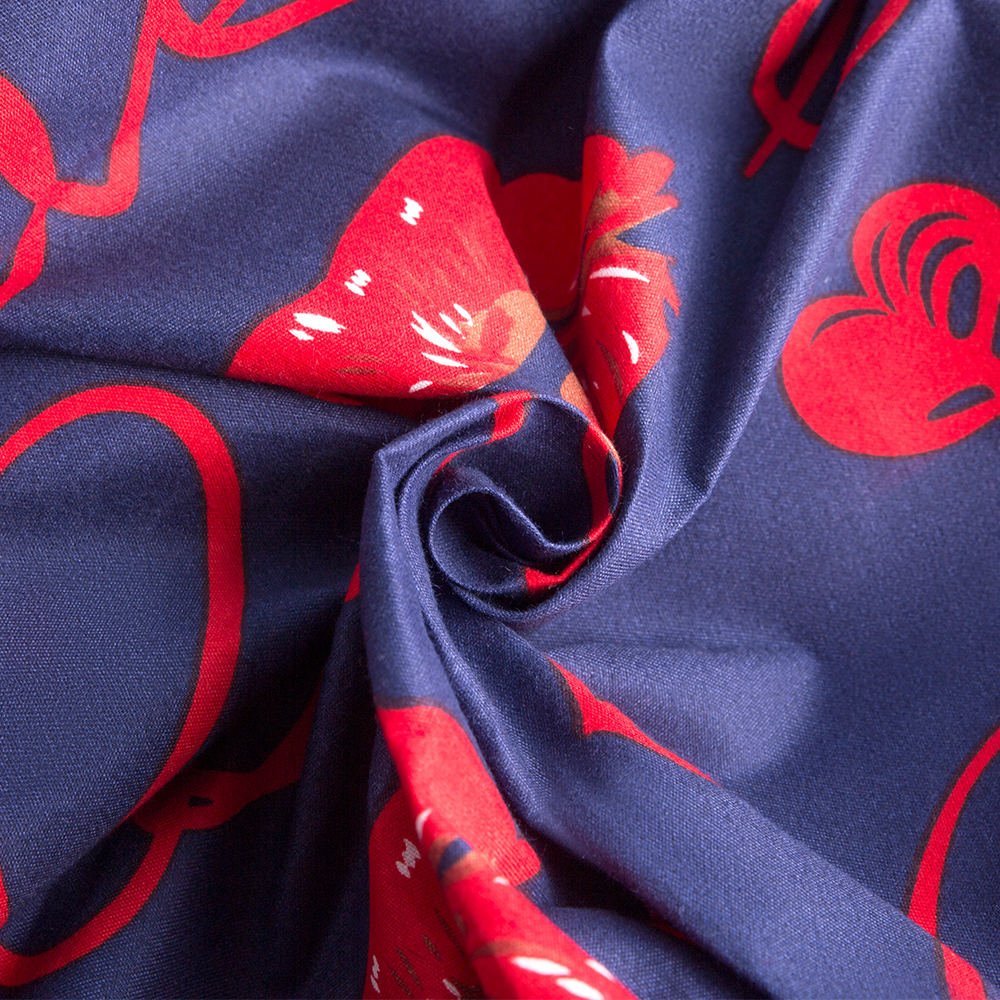
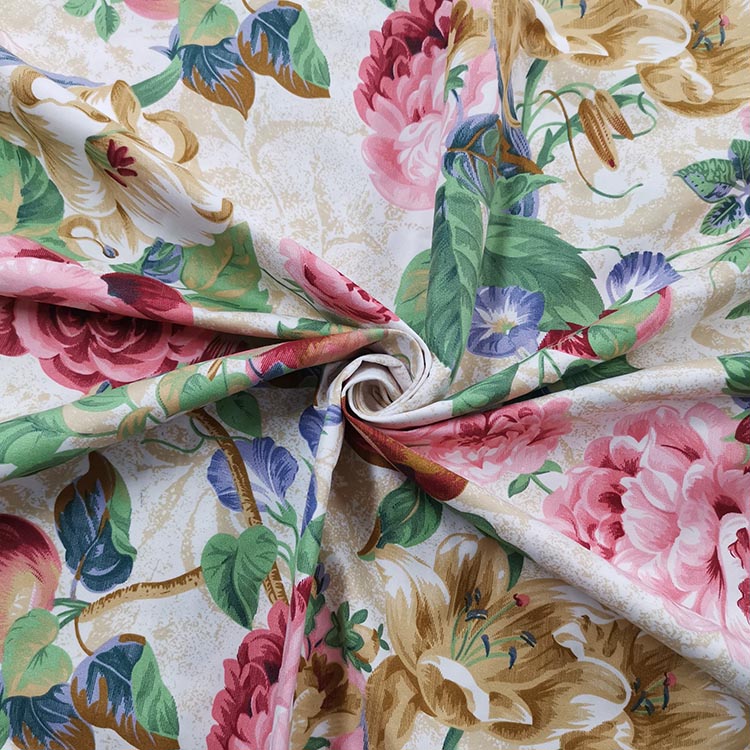
Cotton remains one of the most popular curtain fabrics because of its versatility, breathability, and relatively straightforward care requirements. It takes dye and print well, which is why cotton curtains offer some of the widest selection of colors and patterns on the market, from simple solids to elaborate florals. Lightweight cotton or cotton-blend voile works well for rooms wanting soft natural light filtering through sheer fabric, while heavier cotton canvas or twill provides more substantial coverage and a slightly more structured drape.
The main tradeoff with cotton is its tendency to wrinkle and, over time with prolonged sun exposure, to fade more noticeably than some synthetic alternatives. Cotton also shrinks somewhat when washed, so curtains should generally be measured with a small allowance for shrinkage, or dry cleaned rather than machine washed if a precise fit matters significantly to the finished look.
Linen: Relaxed Texture with a Timeless Look
Linen has become a favorite among designers seeking a relaxed, textured aesthetic that pairs well with both modern minimalist interiors and more traditional room styles. Its naturally slubby texture catches light in a way few other fabrics replicate, and it tends to soften and drape more beautifully with age and repeated washing, unlike many synthetics that stay stiff or begin to look worn.
Linen wrinkles more readily than cotton and requires more careful laundering, often benefiting from professional cleaning or a gentle machine cycle followed by careful ironing while still slightly damp. It also tends to cost more per yard than cotton or polyester, reflecting both the more labor-intensive flax processing and the premium positioning linen occupies in the interior textile market. Buyers drawn to linen's look but concerned about maintenance should consider a linen-polyester blend, which retains much of linen's visual texture while improving wrinkle resistance and simplifying care.
Polyester: The Practical, Budget-Friendly Option
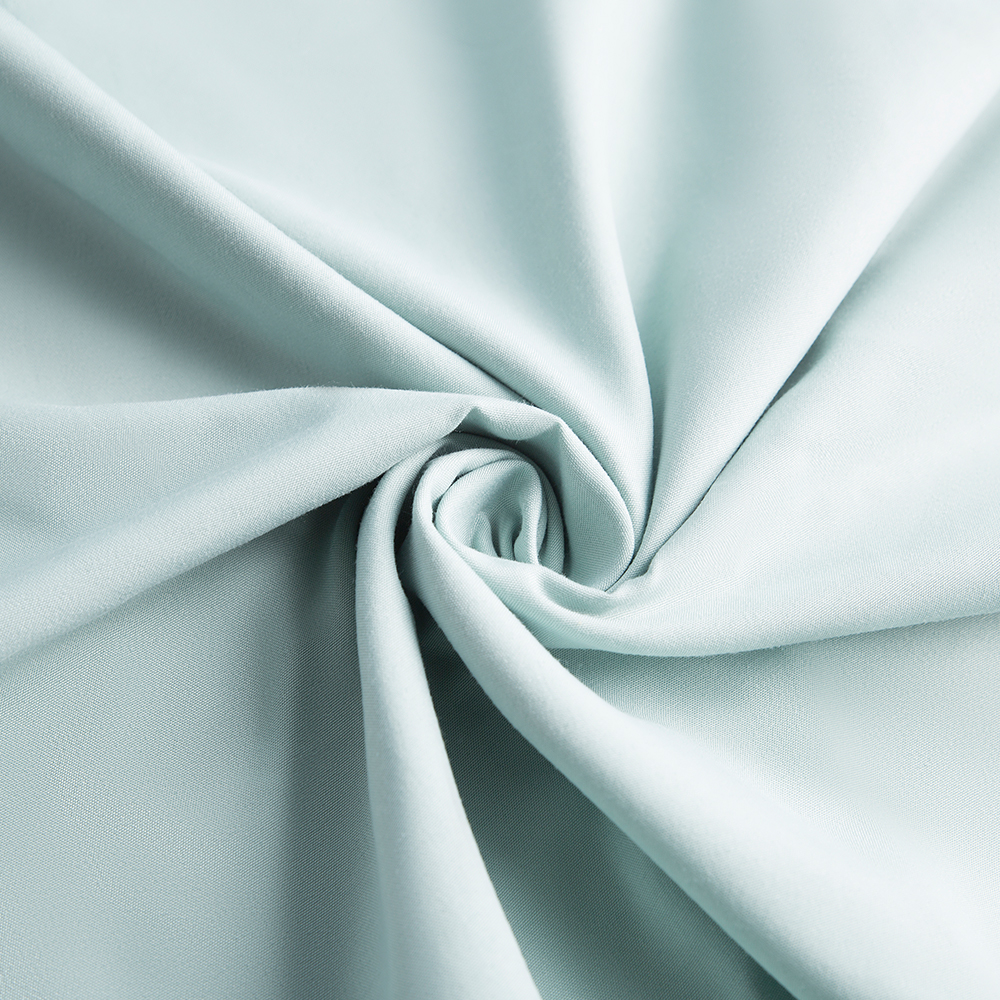
Polyester curtain fabric has improved considerably in quality over recent years and now offers a genuinely attractive appearance at a fraction of the cost of natural fiber alternatives. It resists wrinkling almost entirely, holds its shape well over time, and stands up better to sun fading than cotton, making it a practical choice for rooms with large windows that receive extended direct sunlight throughout the day.
The main drawback of polyester is reduced breathability compared to natural fibers, which can occasionally give lower-quality polyester curtains a slightly stiff or synthetic feel, particularly in cheaper product lines. Buyers should look for polyester blends or higher-thread-density polyester weaves, which typically drape more naturally and feel softer to the touch than basic budget polyester options.
Silk and Velvet for Formal, Statement Rooms
Silk curtains bring a luxurious sheen and elegant drape that few other fabrics can replicate, making them a common choice for formal dining rooms, primary bedrooms, or living rooms designed around a more traditional or opulent aesthetic. Silk is, however, one of the more delicate curtain fabrics available, requiring professional cleaning, careful protection from direct sunlight to prevent fiber degradation, and generally a higher budget both for the fabric itself and its ongoing care.
Velvet offers a different kind of formal statement, with its dense pile providing excellent light blocking and noticeable insulating properties alongside a rich, textured appearance. Velvet curtains work particularly well in rooms wanting strong thermal insulation during colder months, though the fabric's weight requires a sturdy curtain rod and mounting hardware capable of supporting significantly more weight than lighter fabrics like voile or basic cotton.
Comparing Fabric Options at a Glance
| Fabric | Light Control | Maintenance | Best Suited For |
| Cotton | Moderate | Easy | General living spaces |
| Linen | Moderate | Moderate | Relaxed, textured interiors |
| Polyester | Moderate to High | Very Easy | Budget-conscious, sunny rooms |
| Silk | Low to Moderate | Demanding | Formal, low-sunlight rooms |
| Velvet | High | Moderate | Formal rooms, insulation needs |
Blackout Fabrics for Bedrooms and Media Rooms
Blackout curtain fabric uses a tightly woven face fabric combined with an opaque inner lining, often made from foam-backed or triple-woven layers, to block nearly all incoming light. This construction makes blackout curtains a practical choice for bedrooms, particularly for shift workers or households with young children needing daytime sleep, as well as home theater or media rooms where controlling ambient light directly affects screen visibility.
Beyond light blocking, blackout fabric also provides meaningful thermal insulation and some degree of sound dampening, since the dense layered construction reduces both heat transfer through the window and the transmission of outside noise into the room. The tradeoff is a heavier, stiffer fabric that generally drapes less gracefully than lighter sheer or standard curtain fabrics, so many buyers pair blackout curtains with a decorative sheer layer for both function and visual softness.
Sheer Fabrics for Softening Light Without Blocking It
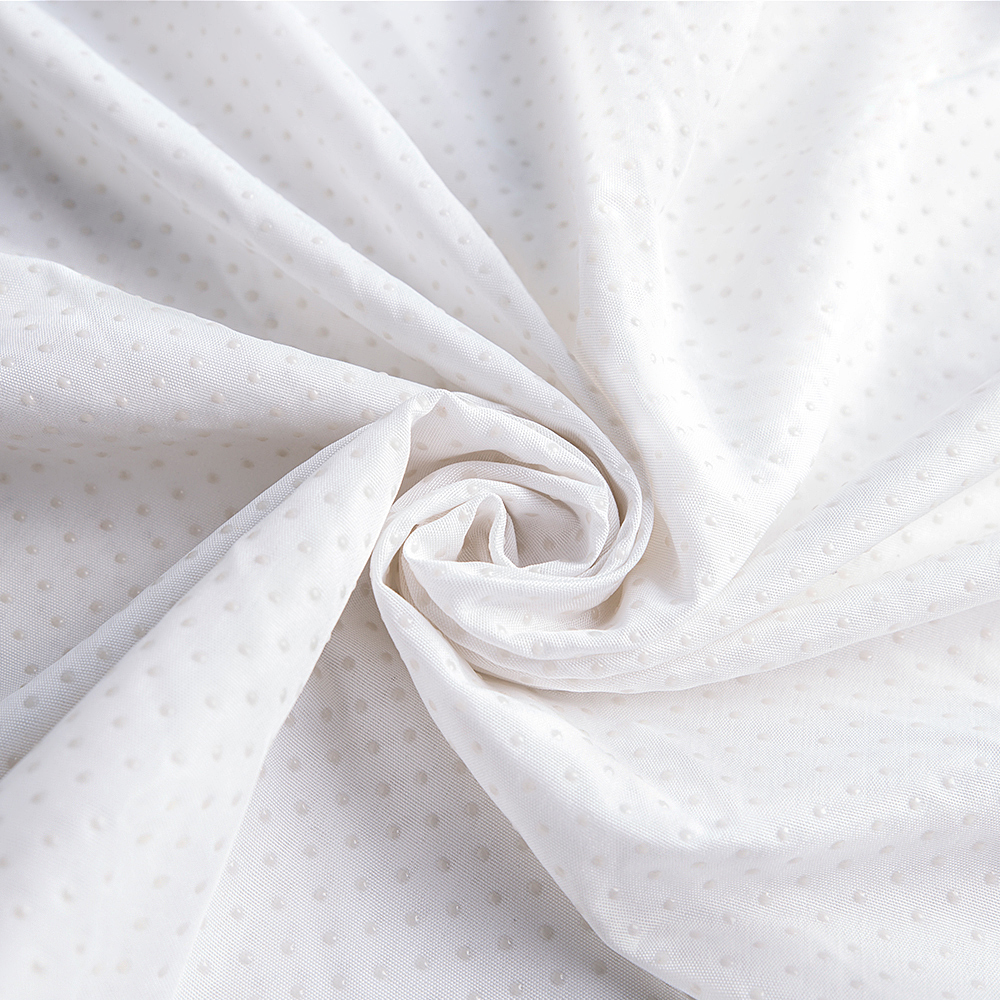
Sheer curtain fabrics, typically made from voile, chiffon, or lightweight polyester, allow natural light to filter softly into a room while still providing a degree of daytime privacy and visual softness at the window. These fabrics work particularly well layered in front of heavier drapery panels, allowing a household to adjust between full sheer light filtering during the day and complete coverage by drawing the heavier curtains at night.
Because sheers provide minimal insulation and essentially no meaningful light blocking on their own, they are best suited as a complementary layer rather than a sole window treatment in rooms where privacy or temperature control matters significantly, such as street-facing bedrooms or rooms with large windows exposed to intense afternoon sun.
Matching Fabric Weight to Drape and Function
Fabric weight, generally measured in grams per square meter, significantly influences how curtains hang and move at the window. Lightweight fabrics under 150 grams per square meter, such as voile or lightweight cotton, produce a soft, flowing drape that moves easily with air currents but provides minimal insulation or sound dampening. Mid-weight fabrics between 150 and 300 grams per square meter, including most standard cotton and linen blends, strike a practical balance between graceful drape and functional coverage suitable for most living spaces.
Heavyweight fabrics above 300 grams per square meter, such as velvet or lined blackout material, hang with a more structured, substantial fold and provide meaningfully better insulation and light control, though they require sturdier hardware and generally suit larger windows better than small or narrow ones, where the fabric's weight can look disproportionately heavy relative to the window size.
Choosing Weight Based on Room Function
- Lightweight fabric for rooms wanting soft, airy natural light
- Mid-weight fabric for general living rooms and dining spaces
- Heavyweight fabric for bedrooms needing insulation and light blocking
- Layered lightweight and heavyweight combination for maximum flexibility
Practical Care Tips for Different Fabric Types
Proper care extends curtain lifespan and preserves color and texture regardless of which fabric you select. Cotton and polyester curtains generally tolerate regular machine washing on a gentle cycle, though hanging them to dry rather than machine drying helps prevent excessive shrinkage and wrinkling. Linen benefits from a gentler wash cycle and, ideally, air drying followed by light ironing while the fabric still retains a bit of dampness, which makes wrinkles much easier to smooth out.
Silk and velvet curtains should generally be professionally dry cleaned rather than washed at home, since water exposure and standard detergents can damage silk fibers and flatten velvet's characteristic pile permanently. Regardless of fabric type, regular vacuuming with a soft brush attachment removes dust buildup between deeper cleanings and helps prevent the gradual dulling that accumulated dust can cause across any curtain fabric over time.
Making the Final Decision for Your Space
Selecting the right curtain fabric ultimately comes down to weighing your room's specific light control, privacy, and insulation needs against your budget and willingness to maintain a more delicate material. A sun-drenched living room benefits from durable, fade-resistant polyester or a sturdy cotton blend, while a primary bedroom seeking maximum darkness and warmth is better served by blackout-lined fabric or heavy velvet.
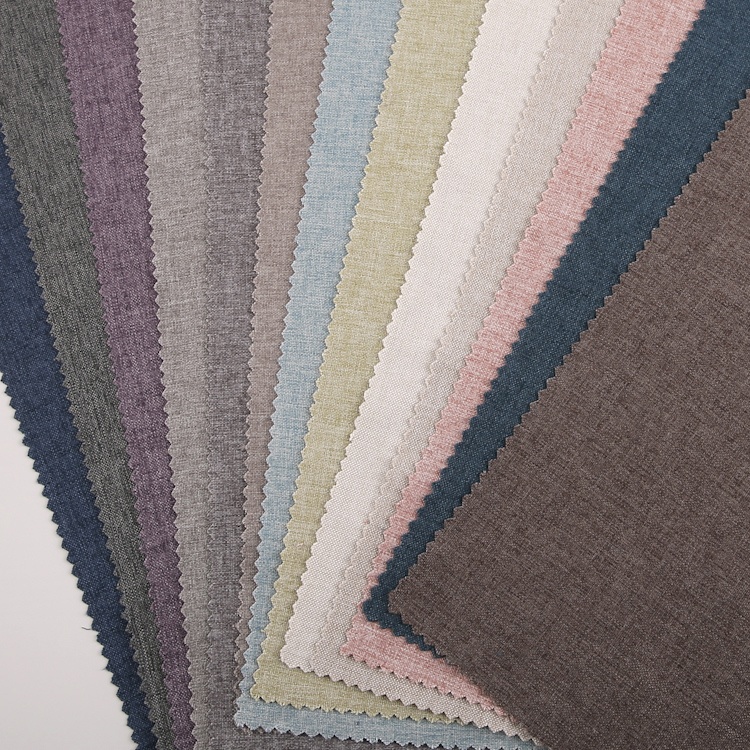
Before committing to a full order, request fabric swatches and observe how they look at different times of day in the actual room, since lighting conditions can shift a fabric's apparent color and texture considerably compared to how it appeared in a showroom or online listing. Taking this extra step helps ensure the finished curtains perform exactly as expected once hung and lived with day to day.