

 English
 中文简体
中文简体

Content
- 1 What Is Mattress Fabric and Why It Matters
- 2 Common Types of Mattress Fabric
- 3 How Fabric Affects Sleep Temperature
- 4 Durability and Long-Term Performance
- 5 Hypoallergenic and Skin-Friendly Considerations
- 6 Fire Retardant Treatments and Fabric Safety
- 7 Choosing the Right Mattress Fabric for Your Needs
- 8 Maintenance Tips for Mattress Fabric Longevity
What Is Mattress Fabric and Why It Matters
Mattress fabric refers to the outer covering material that encases the internal layers of a mattress, including foam, coils, or hybrid components. While often overlooked in favor of firmness or support layers, the fabric plays a significant role in temperature regulation, moisture management, durability, and overall sleep comfort. The right fabric can enhance breathability and softness, while a poor choice may trap heat or wear out quickly, reducing the lifespan of an otherwise high-quality mattress.
Manufacturers select mattress fabrics based on a combination of factors, including cost, stretch, resistance to pilling, and compatibility with fire-retardant treatments. Understanding these materials helps buyers make informed decisions when comparing mattresses or considering a replacement cover.
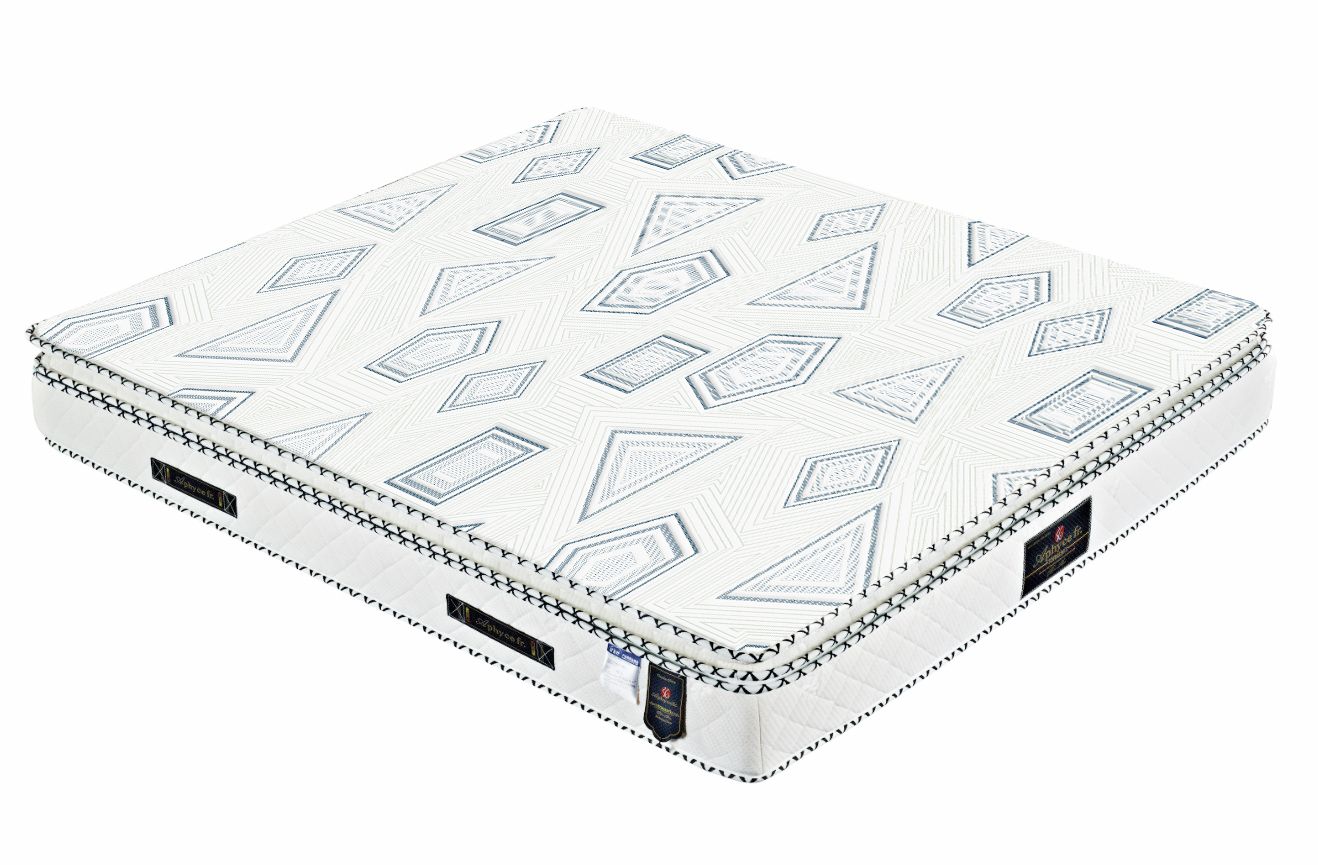
Common Types of Mattress Fabric
Mattress covers are typically made from a blend of natural and synthetic fibers, each offering distinct advantages. The table below outlines the most widely used fabrics and their general characteristics.
| Fabric Type | Breathability | Durability | Common Use |
| Cotton | High | Moderate | Everyday mattress covers |
| Polyester | Low to Moderate | High | Budget-friendly mattresses |
| Bamboo Viscose | High | Moderate | Cooling and hypoallergenic covers |
| Tencel (Lyocell) | High | Moderate to High | Moisture-wicking premium covers |
| Wool | Moderate | High | Temperature regulation and fire resistance |
Each fabric type serves a different purpose depending on the sleeper's needs, whether that involves cooling for hot sleepers, hypoallergenic properties for sensitive skin, or long-term durability for heavy daily use.
How Fabric Affects Sleep Temperature
Temperature regulation is one of the most important functions of mattress fabric, particularly for individuals who tend to sleep hot. Natural fibers such as cotton and bamboo viscose allow air to circulate more freely, helping dissipate body heat throughout the night. In contrast, synthetic fabrics like polyester tend to retain heat, which can be uncomfortable for warm sleepers but may be beneficial in colder climates.
Moisture-Wicking Properties
Fabrics such as Tencel and bamboo viscose are known for their moisture-wicking capabilities, drawing sweat away from the skin and allowing it to evaporate more quickly. This helps maintain a drier, more comfortable sleep surface, especially for people who experience night sweats or live in humid environments.
Durability and Long-Term Performance
The lifespan of a mattress fabric depends heavily on fiber composition and weave density. Polyester blends generally resist pilling and stretching better than pure cotton, making them a practical choice for mattresses subjected to frequent use. Wool, while more expensive, offers excellent resilience and naturally resists dust mites and mold, contributing to a longer usable life for the mattress cover.
Weave Type and Fabric Strength
Beyond fiber material, the weave pattern also influences durability. Tightly woven fabrics tend to resist tearing and pilling better than loosely woven alternatives. Knit fabrics, often used in mattress covers for their stretch, provide a snug fit around foam layers but may show wear faster than woven counterparts under heavy friction.
Hypoallergenic and Skin-Friendly Considerations
For individuals with allergies or sensitive skin, fabric choice becomes especially important. Bamboo viscose and Tencel are naturally resistant to dust mites and bacteria, making them suitable options for allergy sufferers. Cotton, being breathable and chemical-free when organic, is another common choice for those seeking a hypoallergenic sleep surface. Synthetic fabrics, while durable, may sometimes cause irritation for people with sensitive skin due to reduced breathability.
- Bamboo viscose resists dust mites and offers a silky, cool feel against the skin.
- Organic cotton avoids harsh chemical treatments common in conventional textile processing.
- Tencel is derived from sustainably sourced wood pulp and has natural antibacterial properties.
- Wool naturally repels moisture and inhibits mold growth without added chemical treatments.
Fire Retardant Treatments and Fabric Safety
Mattress fabrics are often treated to meet fire safety standards, particularly in regions with strict flammability regulations. Wool is frequently used as a natural fire barrier due to its inherent flame-resistant properties, reducing the need for chemical treatments. Synthetic fabrics, on the other hand, may require additional fire-retardant coatings to meet safety requirements, which can sometimes affect breathability and softness.
Buyers concerned about chemical exposure should look for mattresses that use naturally fire-resistant materials like wool or those certified under safety standards that limit the use of harmful flame retardants.
Choosing the Right Mattress Fabric for Your Needs
Selecting the appropriate mattress fabric depends on individual priorities, whether that means prioritizing cooling comfort, long-term durability, or hypoallergenic properties. Hot sleepers should consider bamboo viscose or Tencel for their superior breathability and moisture-wicking abilities. Those seeking a budget-friendly and durable option may find polyester blends more suitable, while individuals with allergies might prefer organic cotton or wool for their natural resistance to allergens.
It is also worth considering how the fabric interacts with mattress protectors or additional covers, as layering can affect breathability and temperature regulation. Testing different fabric types in person, when possible, allows buyers to assess texture and comfort before making a final decision.
Maintenance Tips for Mattress Fabric Longevity
Proper care extends the lifespan of mattress fabric and helps maintain its comfort properties over time. Regular rotation of the mattress reduces uneven wear on the fabric surface, while using a breathable mattress protector can shield the cover from spills and stains without compromising airflow.
- Vacuum the mattress surface periodically to remove dust and allergens trapped in the fabric.
- Avoid exposing the mattress to direct sunlight for extended periods, as UV rays can weaken certain fibers.
- Spot clean stains promptly using mild detergent to prevent fabric discoloration.
- Air out the mattress occasionally to reduce moisture buildup within the fabric layers.
Following these maintenance practices helps preserve both the appearance and functional properties of the mattress fabric, ensuring continued comfort and support for years of use.