

 English
 中文简体
中文简体

Content
Why Curtain Fabric Choice Matters
Curtain fabric does far more than complete a room's color scheme. The material you choose directly affects how much light enters a space, how well the curtains insulate against heat and cold, how the panels hang and move, and how much upkeep they require over time. A heavy velvet panel behaves completely differently from a sheer linen blend, both visually and functionally, which means the right choice depends as much on practical needs as on personal style preferences.
Because curtains are a long term investment in most homes, taking time to understand fabric characteristics before purchasing can prevent common frustrations such as panels that let in too much light, fabric that fades quickly in direct sun, or curtains that are difficult to clean and maintain over years of use.
Common Types of Curtain Fabric
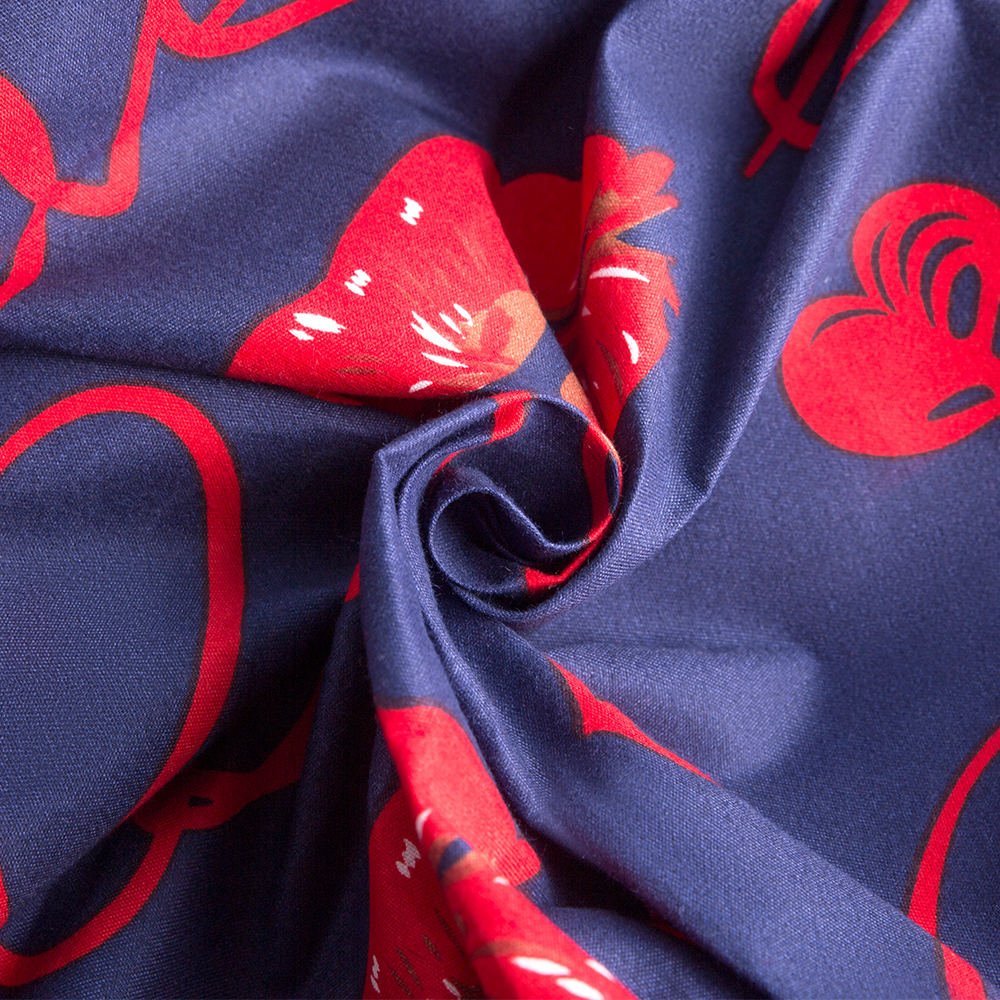
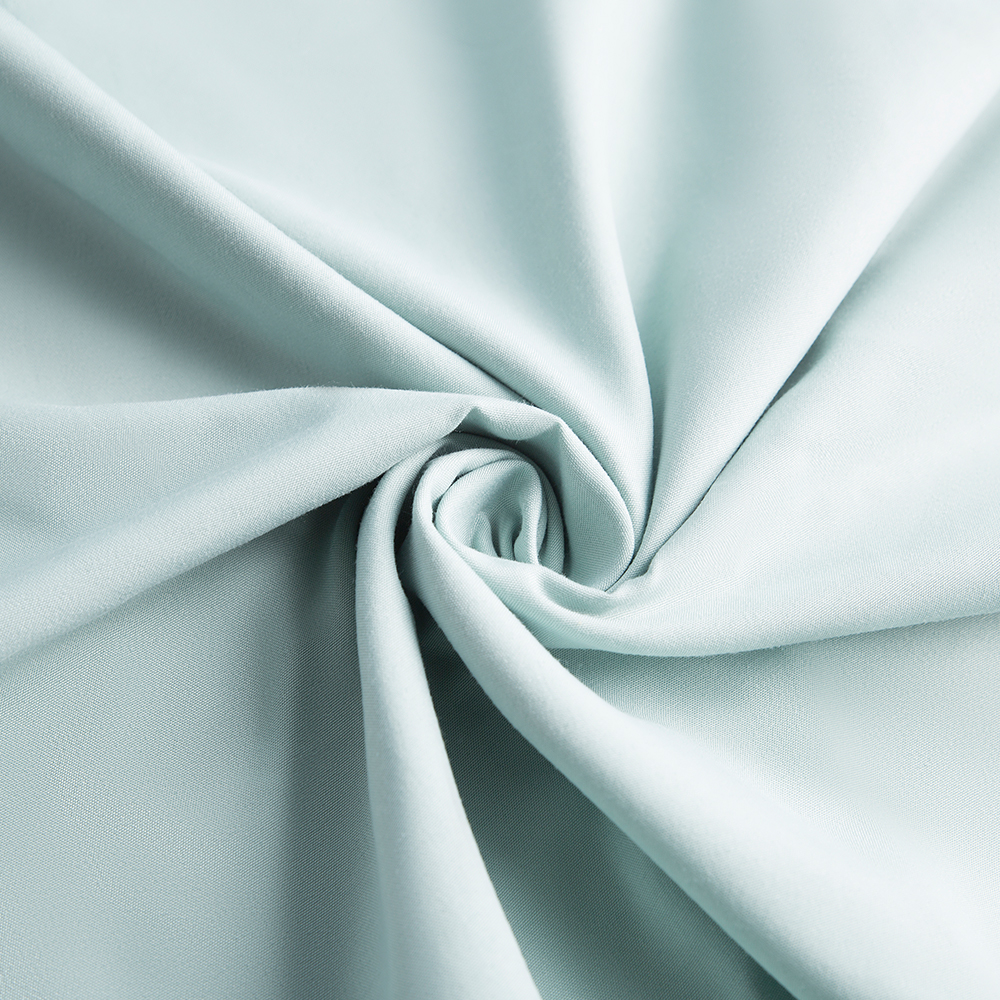
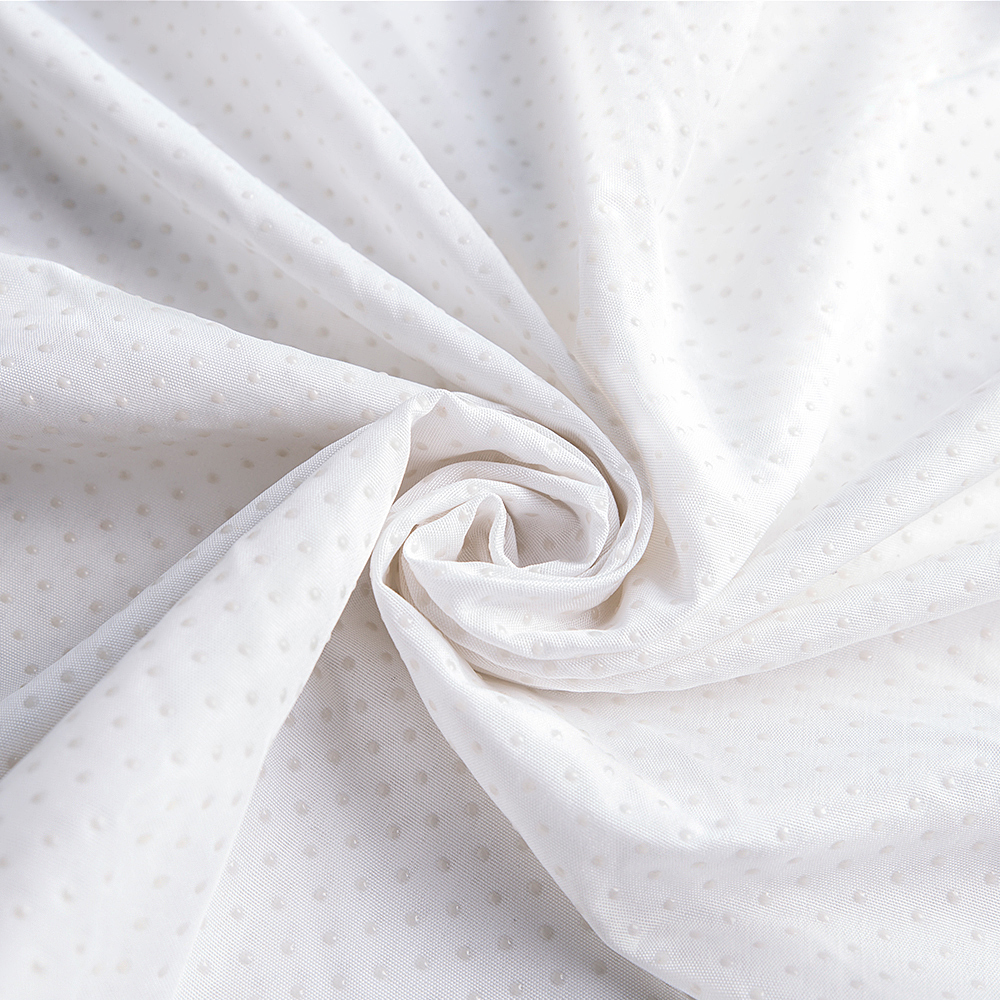
Curtain fabrics generally fall into a handful of widely used categories, each with distinct properties suited to different rooms and goals. The table below compares the most common options.
| Fabric Type | Light Control | Best Use |
| Cotton | Moderate | Everyday living spaces, easy to clean |
| Linen | Low to moderate | Casual, airy rooms with natural light |
| Velvet | High | Bedrooms, formal living rooms, insulation |
| Sheer Polyester | Very low | Layering with privacy panels, soft diffused light |
| Blackout Lined Fabric | Very high | Bedrooms, media rooms, nurseries |
| Silk or Silk Blend | Moderate | Formal dining rooms, decorative accents |
Many homeowners combine two fabric types in a single window treatment, such as pairing sheer panels with heavier drapes, to gain both daytime light diffusion and nighttime privacy or insulation.
Matching Fabric to Light Control Needs
Light control is often the most practical factor driving fabric selection. Different weaves and densities allow varying amounts of light through, which affects both comfort and energy use throughout the day.
- Sheer fabrics allow soft, diffused light while maintaining minimal privacy, ideal for daytime living areas
- Mid-weight fabrics like cotton and linen blends reduce glare while still allowing some natural light through
- Blackout fabrics use a tightly woven base combined with an opaque backing layer to block nearly all incoming light
- Room darkening fabrics offer a middle ground, blocking most but not all light, useful for guest rooms or home offices
Choosing the correct light control level also has energy implications, since heavier fabrics can help insulate windows against heat loss in winter and reduce solar heat gain in summer, potentially lowering heating and cooling costs over time.
Choosing Fabric by Room
Living rooms typically benefit from medium weight fabrics such as cotton blends or textured linen that allow natural light during the day while still offering enough body to look polished. Since these rooms see frequent use, fabrics that resist wrinkling and are easy to spot clean tend to perform better long term than delicate materials like raw silk.
Bedrooms and Nurseries
Bedrooms generally call for heavier fabrics with blackout or thermal lining to support better sleep quality by blocking early morning light and street lighting. Velvet and lined cotton are popular choices because they also help dampen outside noise, which can be especially valuable in nurseries where consistent sleep schedules matter.
Kitchens and Bathrooms
Because kitchens and bathrooms are exposed to higher humidity and occasional splashes, lightweight, machine washable fabrics such as cotton or polyester blends are usually more practical than fabrics requiring dry cleaning. Shorter cafe style curtains in these rooms also reduce the amount of fabric exposed to moisture and cooking residue.
Fabric Weight, Drape, and Lining Considerations
The weight of curtain fabric influences how the panels fall and move. Lightweight fabrics like voile or sheer polyester drape softly and move easily with airflow, creating a relaxed, airy look. Heavier fabrics such as velvet or jacquard tend to hang in fuller, more structured folds, which can add a sense of formality and visual weight to a room.
Adding a lining to any curtain fabric can significantly change its performance without altering the visible front side. Thermal linings improve insulation, blackout linings block additional light, and simple cotton linings add body and help the fabric hang more evenly. For rooms with large windows or significant temperature swings, lined curtains often justify their added cost through improved energy efficiency and a more finished appearance.
Care and Maintenance Tips
Proper care extends the lifespan and appearance of curtain fabric considerably. Following fabric specific guidelines helps avoid shrinkage, fading, or damage from improper cleaning methods.
- Vacuum curtains regularly using a brush attachment to remove dust before it builds up in the fibers
- Check fabric labels before washing, since linen and silk often require dry cleaning to avoid shrinkage or texture changes
- Rotate curtain panels occasionally if one side receives more direct sunlight to reduce uneven fading
- Use a fabric protector spray on lighter colored curtains in high traffic rooms to reduce staining
- Iron or steam curtains on a low setting appropriate to the fabric type to remove wrinkles without damaging the material
By matching fabric type to each room's light, humidity, and style needs, and by following appropriate care routines, curtains can remain both functional and visually appealing for many years, making them a worthwhile investment in any home's overall comfort and design.