

 English
 中文简体
中文简体

Content
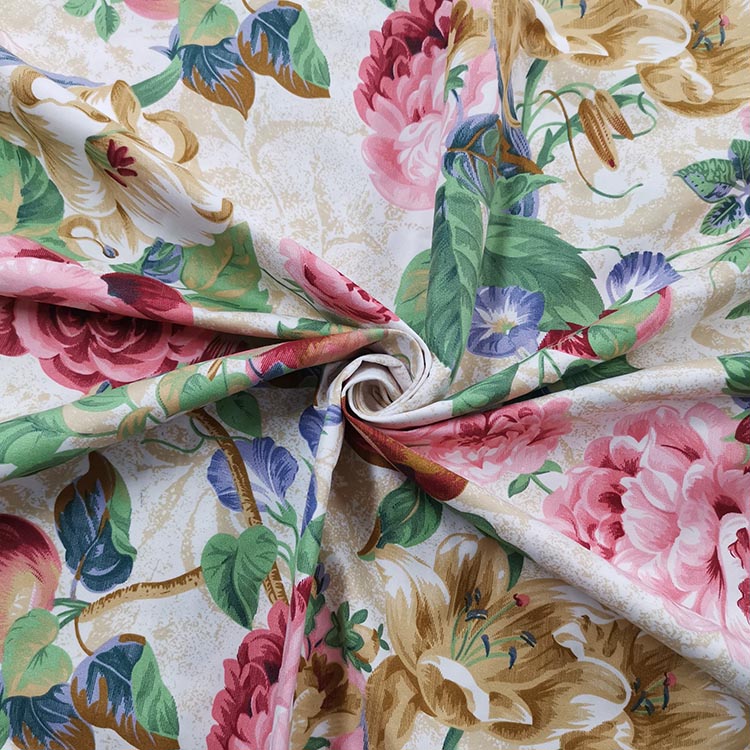
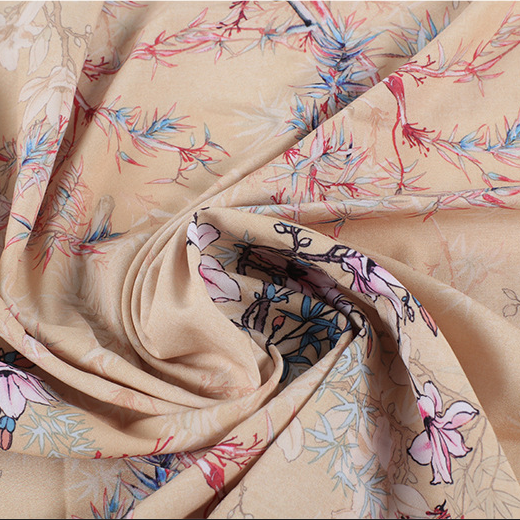
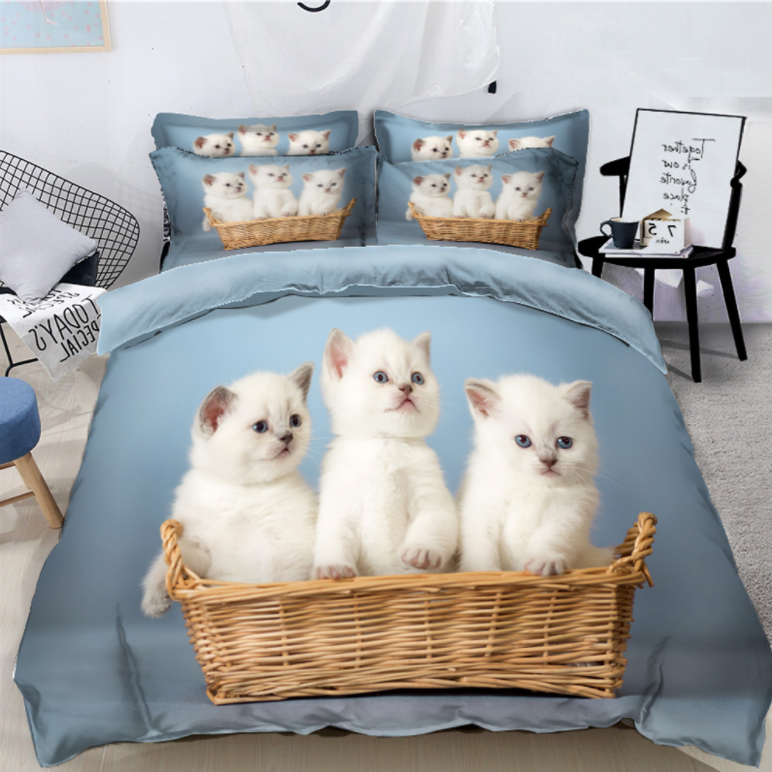
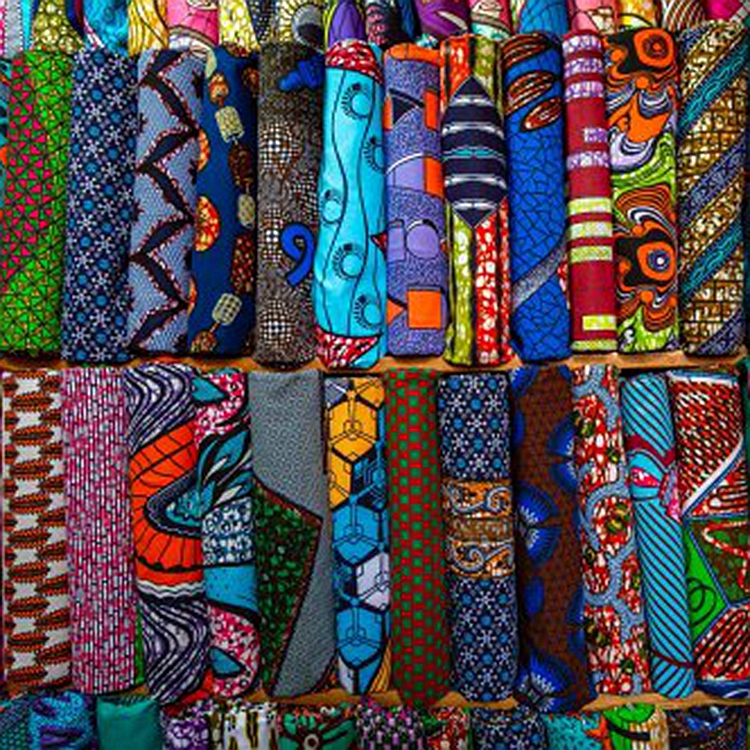
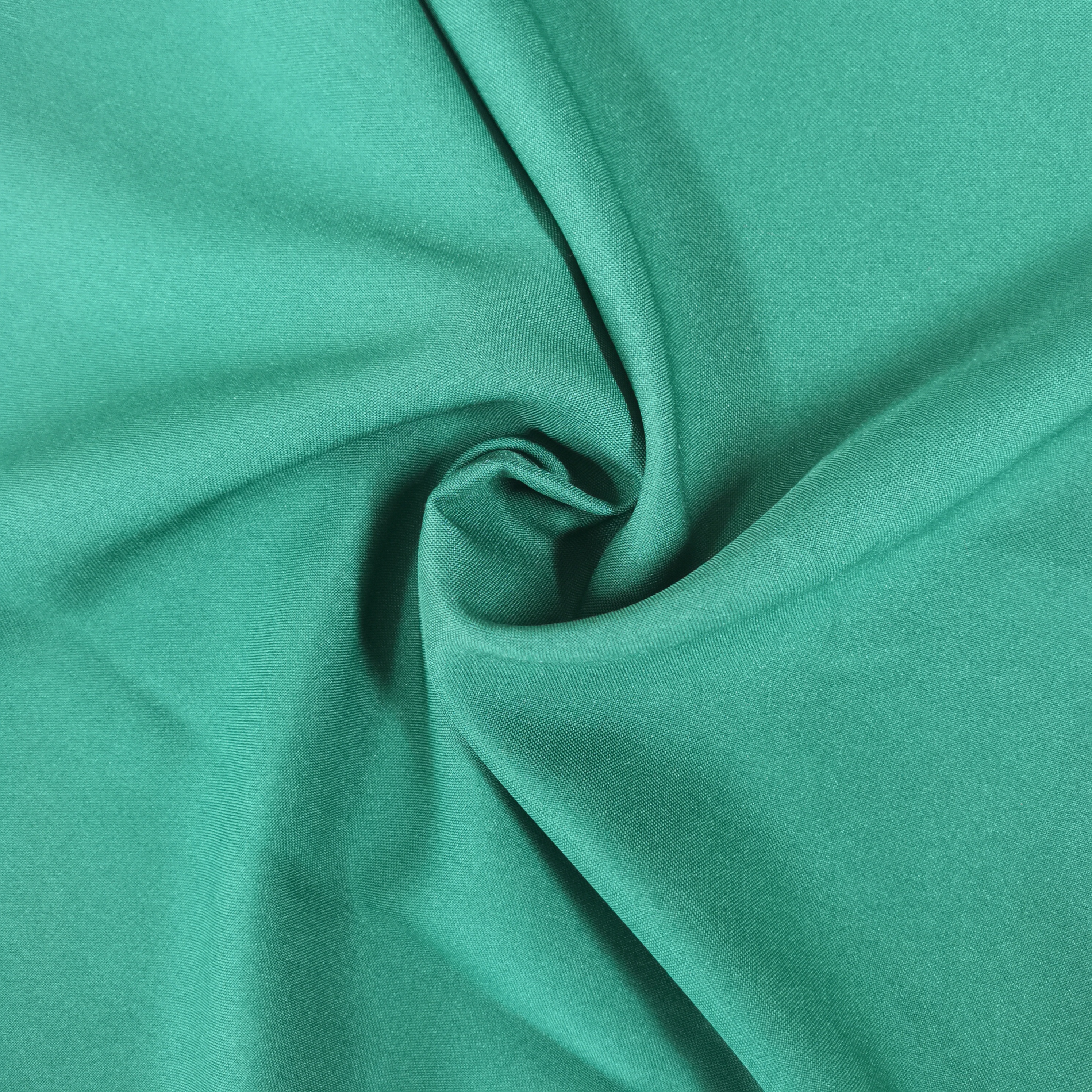
100% polyester microfiber fabric is a versatile and highly durable synthetic material widely used in clothing, home textiles, cleaning cloths, and sportswear. Its fine fibers provide a soft texture, excellent moisture-wicking properties, and high resistance to wrinkles and shrinking. However, despite its durability, microfiber fabric requires proper care to maintain its quality and performance over time.
This article explores best practices for cleaning, storing, and maintaining 100% polyester microfiber fabric, ensuring it remains soft, vibrant, and long-lasting.
Understanding the Structure and Properties of Microfiber
Microfiber fabrics are composed of extremely fine polyester fibers, often less than one denier in diameter. These fibers are split during production, creating a dense, soft fabric that traps dirt, dust, and moisture effectively. The unique fiber structure gives microfiber its durability, smooth hand feel, and resistance to stretching and shrinking. Understanding these properties is crucial for proper care.
Washing and Cleaning Guidelines
Proper washing is essential to preserve the softness, color, and structure of polyester microfiber fabric. Follow these key steps:
Use Gentle Detergents
Always use mild, liquid detergents free of bleach or fabric softeners. Harsh chemicals can break down the fine fibers, reducing softness and absorbency. Avoid powder detergents that may leave residues trapped in the fabric.
Choose Proper Washing Temperature
Wash microfiber fabrics in cold or warm water (30°C–40°C) to prevent fiber damage or shrinkage. High temperatures may deform fibers, reduce softness, and cause static buildup.
Avoid Overloading the Washing Machine
Washing machines overloaded with laundry can cause excessive friction, leading to pilling and fiber wear. Wash microfiber items separately or with similarly lightweight fabrics to minimize abrasion.
Drying Best Practices
How you dry microfiber fabric significantly affects its longevity and texture.
Air Drying vs. Machine Drying
Whenever possible, air-dry microfiber fabrics by hanging them in a shaded, well-ventilated area. If using a dryer, select a low-heat or air-fluff setting to avoid fiber damage and static buildup.
Avoid Fabric Softeners
Do not use fabric softeners, as they coat the fibers and reduce absorbency and softness. Microfiber naturally remains smooth without softeners when properly washed.
Stain Removal and Spot Cleaning
Microfiber fabrics are resistant to many stains but require prompt attention to prevent permanent discoloration.
- Blot liquids immediately with a clean, absorbent cloth. Avoid rubbing, which can embed stains deeper into the fibers.
- Use mild soap and lukewarm water for spot cleaning. Gently work the solution into the stain and rinse thoroughly.
- For stubborn stains, specialized microfiber cleaning sprays can be used, but always test on a hidden area first.
Storage Tips for Long-Term Preservation
Proper storage prevents damage and keeps microfiber fabrics in peak condition.
- Store in a cool, dry place away from direct sunlight, which can fade colors and weaken fibers.
- Avoid folding or compressing microfiber fabrics tightly for long periods to prevent creases and fiber deformation.
- Use breathable storage bags or containers to reduce static buildup and allow air circulation.
Handling and General Use Recommendations
Correct handling practices help preserve the softness, appearance, and durability of microfiber fabrics.
- Avoid contact with rough surfaces that may snag or pull fibers.
- Keep microfiber away from oils and solvents that can break down polyester fibers over time.
- Regularly shake or gently brush fabrics to maintain loft and prevent matting in thicker microfiber items.
Common Mistakes to Avoid
Awareness of common mistakes can significantly extend the lifespan of microfiber fabrics.
- Using bleach or harsh detergents, which can weaken fibers and cause yellowing.
- Overheating during drying or ironing, which can melt fibers and reduce flexibility.
- Mixing microfiber with lint-producing fabrics such as towels, which can lead to fiber contamination.
Conclusion
Proper care of 100% polyester microfiber fabric is essential to maintain its softness, color, and functionality. By following recommended washing, drying, storage, and handling practices, users can enjoy the long-lasting durability and high performance of microfiber products. Avoiding common mistakes and paying attention to detail ensures that microfiber fabrics remain a reliable choice for clothing, home textiles, and specialty applications.
With consistent maintenance and mindful usage, 100% polyester microfiber fabrics retain their luxurious feel, vibrant appearance, and practical benefits for years, making them an excellent investment for everyday use.