

 English
 中文简体
中文简体

Content
- 1 What Jacquard Fabric Actually Is
- 2 How Jacquard Differs From Other Patterned Fabrics
- 3 Five Common Uses for Jacquard Fabric
- 4 Key Benefits of Choosing Jacquard Fabric
- 5 Sewing With Jacquard: What to Know Before You Start
- 6 Caring for Jacquard Fabric After Construction
- 7 Selecting the Right Jacquard for Your Project
Jacquard fabric stands out among woven textiles because its patterns are built directly into the weave structure rather than printed or embroidered on top. This gives jacquard fabrics a distinctive depth, texture, and durability that has made them a staple in upholstery, formal wear, and home décor for centuries. This guide explains what jacquard fabric actually is, explores its most common uses and benefits, and offers practical sewing advice for anyone working with it for the first time.
What Jacquard Fabric Actually Is
Jacquard refers to a weaving technique rather than a specific fiber content, which means jacquard fabric can be made from cotton, silk, polyester, wool, or blended fibers depending on the intended application. The defining characteristic is the weaving process itself: a jacquard loom uses a punch-card or computer-controlled mechanism to individually control each warp thread, allowing complex patterns, motifs, and textures to be woven directly into the cloth structure.
This technique traces back to the early 19th century, when French weaver Joseph Marie Jacquard invented a loom attachment that used punched cards to automate pattern weaving, a innovation that dramatically reduced the labor required to produce intricate designs that previously took skilled weavers weeks to complete by hand. Modern jacquard looms use computerized controls based on the same underlying principle, enabling manufacturers to produce highly detailed patterns with remarkable consistency at commercial scale.
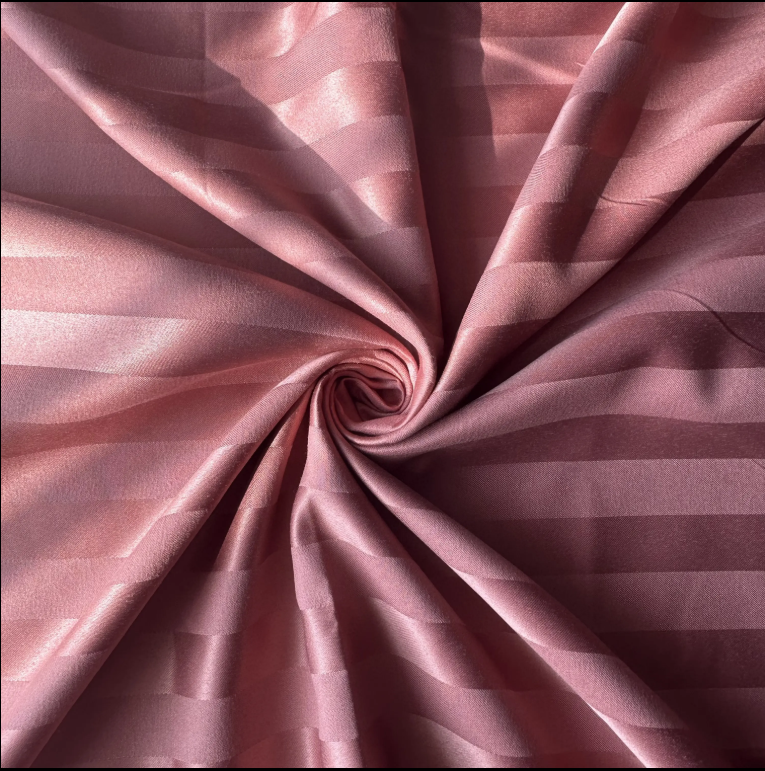
Because the pattern is woven into the structure of the fabric rather than applied afterward, jacquard designs appear on both sides of the cloth, though the pattern is often reversed or shown in a different color arrangement on the back. This structural integration also means the design will not crack, peel, or fade in the way that printed patterns sometimes do over time.
How Jacquard Differs From Other Patterned Fabrics
Shoppers and sewers often confuse jacquard with other decorative fabric types, but the production method sets it apart in ways that affect appearance, durability, and cost.
| Fabric Type | Pattern Method | Durability of Pattern |
| Jacquard | Woven into fabric structure | Very high, will not fade or peel |
| Printed Fabric | Dye or ink applied to surface | Moderate, may fade with washing |
| Embroidered Fabric | Thread stitched onto base fabric | High, but threads can snag or loosen |
| Brocade | Woven, often with supplementary weft | Very high, similar to jacquard |
Brocade is technically a specific type of jacquard weave, typically featuring raised, embossed-looking patterns often created with metallic or contrasting threads, while the broader jacquard category encompasses a wide range of woven pattern styles, including damask and matelassé.
Five Common Uses for Jacquard Fabric
Jacquard's combination of visual richness and structural durability makes it suitable for a wide variety of applications across fashion and home textiles.
1. Upholstery and Furniture Covering
Jacquard's tightly woven structure and resistance to surface wear make it a popular choice for sofas, chairs, and ottomans, particularly in formal or traditional interior design settings where decorative patterns add visual interest without relying on printed designs that can wear away with regular contact.
2. Formal and Evening Wear
Silk and synthetic jacquard blends are frequently used in dresses, suits, and formal jackets, where the fabric's structured drape and dimensional pattern provide a look of luxury that is difficult to achieve with flat, printed textiles.
3. Curtains and Drapery
The weight and body of jacquard fabric allow it to hang with substantial drape while blocking light effectively, making it a common choice for formal curtains in dining rooms, living rooms, and hotel interiors.
4. Bedding and Home Textiles
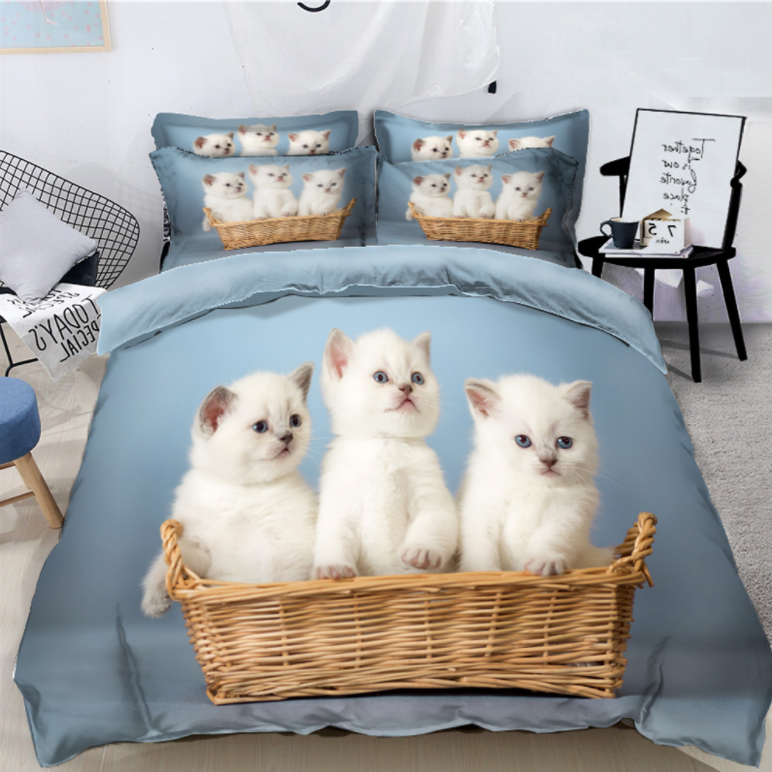
Duvet covers, decorative pillow shams, and bedspreads often use jacquard weaves to add texture and pattern without the risk of a printed design fading after repeated washing.
5. Neckties and Accessories
The fine detail achievable with jacquard weaving makes it especially well suited for small-scale accessories like neckties, scarves, and pocket squares, where intricate patterns need to remain crisp and well-defined even at a small scale.
Key Benefits of Choosing Jacquard Fabric
Beyond its visual appeal, jacquard fabric offers several practical advantages that make it worth considering for both apparel and home textile projects.
- Long-lasting pattern integrity since the design is woven rather than printed
- Substantial body and drape that adds structure to garments and home textiles
- Reversible pattern potential, useful for certain design applications
- Wide range of fiber content options to match different budgets and care requirements
- Resistance to surface abrasion compared to printed alternatives
These qualities explain why jacquard remains a preferred choice in applications where fabric will experience frequent handling or long-term display, since the pattern retains its clarity and definition far longer than surface-applied alternatives.
Sewing With Jacquard: What to Know Before You Start
Jacquard fabric behaves differently from plain-woven textiles due to its raised pattern texture and often heavier weight, which means a few adjustments to standard sewing techniques can significantly improve results.
Choosing the Right Needle and Thread
Because jacquard is often thicker and more tightly woven than standard fabric, a sharp, medium-weight needle, typically in the size range of 80/12 to 90/14, generally produces cleaner stitches than a fine needle designed for lightweight fabrics. All-purpose polyester thread usually works well across most jacquard fiber blends.
Handling Fraying Edges
Many jacquard fabrics, particularly those with loose supplementary threads forming raised patterns, tend to fray more readily at cut edges. Finishing seams with an overlock stitch, pinking shears, or a zigzag stitch before construction helps prevent unraveling during sewing and wear.
Managing Pattern Matching
For garments or home décor items where the jacquard pattern needs to align across seams, such as curtain panels or tailored jackets, extra fabric should be purchased to allow for pattern matching, and pattern pieces should be laid out carefully before cutting to ensure the design flows consistently across the finished piece.
Pressing and Steaming Considerations
Because raised jacquard patterns can flatten under direct high heat, using a pressing cloth and a lower iron setting helps preserve the fabric's textured surface. Testing on a scrap piece before pressing the full project is a reliable way to confirm the heat setting will not damage the pattern's dimensional quality.
Caring for Jacquard Fabric After Construction
Proper care extends the life of jacquard garments and home textiles significantly, though the correct approach depends heavily on fiber content. Silk and wool jacquards typically require dry cleaning or gentle hand washing to avoid damaging delicate fibers, while cotton and polyester blends can often tolerate machine washing on a gentle cycle with cold water.
Regardless of fiber content, turning jacquard garments inside out before washing helps protect the raised pattern surface from abrasion against other items in the wash. Air drying or using a low-heat dryer setting also helps preserve the fabric's structural integrity, since high heat can cause certain synthetic jacquard blends to lose their shape or sheen over time.
Selecting the Right Jacquard for Your Project
Choosing the appropriate jacquard fabric depends on matching fiber content, weight, and pattern scale to the specific project at hand. A lightweight silk jacquard suits flowing formal wear, while a heavier cotton or synthetic blend jacquard is better suited to upholstery or structured outerwear that needs to withstand daily wear and handling.
It is also worth considering pattern scale relative to the finished project size. Large, bold jacquard motifs can overwhelm small accessories like pocket squares, while very fine, subtle patterns may get lost on large-scale items like curtains or bedspreads. Requesting a fabric swatch before committing to a full yardage purchase allows for a closer inspection of drape, texture, and color accuracy under different lighting conditions, helping ensure the final project achieves the intended look. With careful fabric selection and a few adjustments to standard sewing techniques, jacquard fabric can elevate both garment and home décor projects with a level of textural richness that printed fabrics simply cannot replicate.