

 English
 中文简体
中文简体

Content
What Is 100% Polyester Disperse Print Fabric?
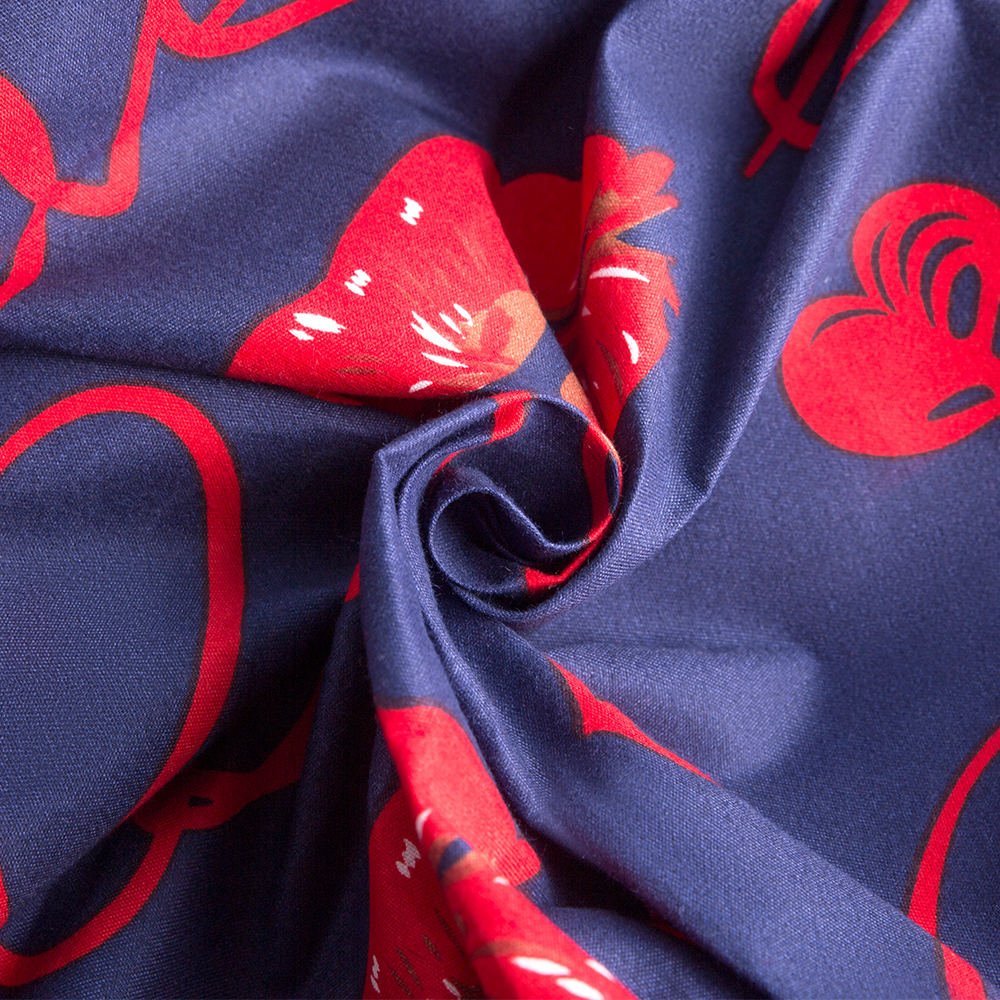
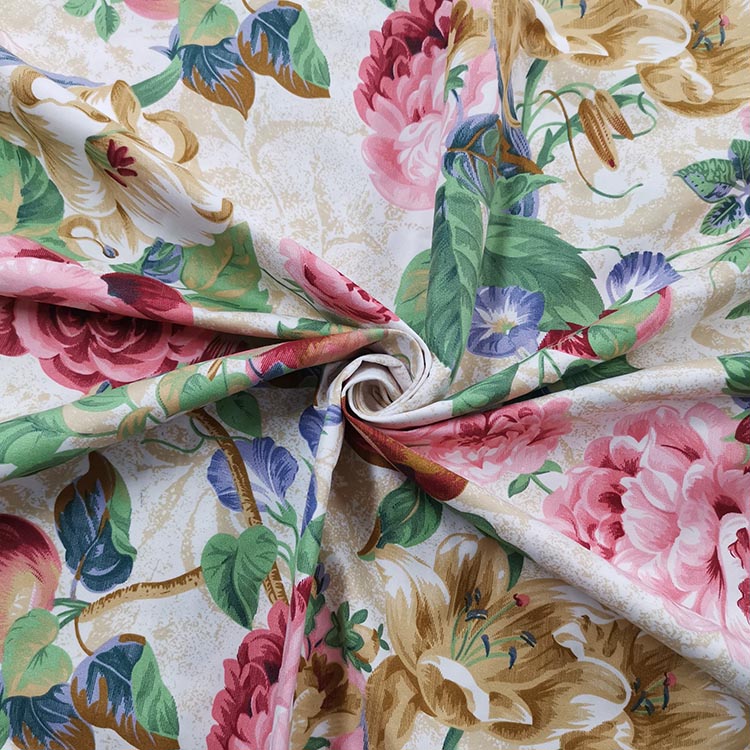
100% polyester disperse print fabric is a woven or knitted textile made entirely from polyester filament or staple fiber yarns and decorated using disperse dyes applied through a printing process rather than piece dyeing. The term "disperse" refers to the class of synthetic dyes specifically engineered to color hydrophobic fibers — fibers that resist water — by suspending the dye molecules in a fine aqueous dispersion and forcing them into the fiber structure under heat and pressure. Because polyester is inherently water-repellent and has no natural dye sites like cotton or wool, disperse dyeing is not merely one option among many: it is the primary mechanism by which permanent, vibrant color is introduced into polyester textiles.
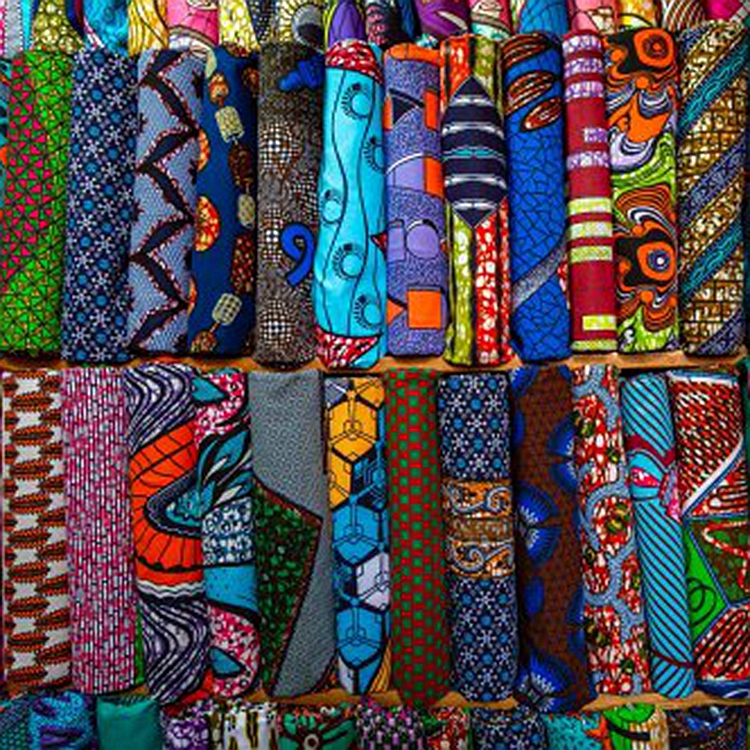
The printed variant of this fabric takes disperse coloration a step further by applying dye selectively to specific areas of the fabric surface to create patterns, graphics, or photographic imagery. The result is a textile that combines all the functional advantages of polyester — dimensional stability, wrinkle resistance, moisture-wicking capability, and durability — with unlimited decorative potential. This combination has made 100% polyester disperse print fabric one of the most commercially significant textiles in the global apparel, home furnishing, and industrial fabric markets.
How the Disperse Printing Process Works
Understanding the disperse printing process explains both the performance advantages of this fabric and the specific conditions required to achieve them. The process differs fundamentally from reactive printing on cotton, and confusing the two leads to poor results and fabric damage.
Rotary and Flatbed Screen Printing
In conventional disperse screen printing, a thickened disperse dye paste is pushed through engraved rotary screens or flat screens onto the fabric surface. Each color in the design requires a separate screen. After printing, the fabric passes through a steamer or dry-heat oven at temperatures between 170°C and 210°C, which causes the disperse dye molecules to sublimate — transition from a solid or paste state directly into a gas — and diffuse into the swollen polyester fiber structure. When the fabric cools, the fibers contract and trap the dye molecules permanently inside. A post-print washing step removes unfixed surface dye and thickener residue, leaving a clean, sharp print with excellent wash fastness.
Heat Transfer and Sublimation Printing
Sublimation transfer printing uses the same dye chemistry but applies it differently. Disperse dyes are first printed onto a release paper using gravure or inkjet technology. The printed paper is then placed face-down against the polyester fabric and passed through a heated calender or heat press at 190°C to 210°C for 20 to 60 seconds. The heat causes the dye on the paper to sublimate and transfer entirely into the fabric, leaving a blank paper behind. This method produces exceptionally sharp photographic-quality imagery, near-seamless color gradients, and very high color saturation. It is the dominant process for sportswear jerseys, flags, soft signage, and fashion fabrics requiring photorealistic designs.
Digital Direct Disperse Inkjet Printing
Digital direct-to-fabric inkjet printing uses piezoelectric print heads to jet disperse ink droplets directly onto pretreated polyester fabric. After printing, the fabric undergoes the same heat fixation step as screen printing. This method eliminates screens entirely, making it ideal for short runs, custom designs, and rapid design iteration. Advances in disperse inkjet ink formulations and print head technology have narrowed the color gamut and output speed gap between digital and conventional screen printing, making digital direct printing increasingly viable even for medium production volumes.
Key Performance Properties of the Fabric
The base fiber composition and the disperse dyeing mechanism together produce a distinctive set of functional properties that distinguish this fabric from printed cotton, linen, or blended alternatives. These properties directly determine which end uses the fabric is best suited for.
| Property | Performance Level | Practical Benefit |
| Wash Fastness | Rating 4–5 (ISO 105-C06) | Colors resist fading through repeated laundering |
| Light Fastness | Rating 5–7 (ISO 105-B02) | Suitable for outdoor banners, curtains, and awnings |
| Dimensional Stability | Shrinkage <1% after washing | Garments and home textiles retain their shape |
| Moisture Management | Wicking finishes available | Moves perspiration away from skin in activewear |
| Abrasion Resistance | High (Martindale 20,000+ cycles) | Long service life in upholstery and workwear |
| Wrinkle Recovery | Excellent | Low-maintenance care for travel and uniform applications |
One property that requires careful management is heat sensitivity. Because disperse dyes sublimate at temperatures above 150°C, finished 100% polyester disperse print fabric must never be ironed directly at high heat settings. Doing so risks re-sublimating the dye from the printed surface and causing color transfer to whatever the iron contacts — including other garments in a laundry press. This is not a defect of the dyeing process; it is an inherent characteristic of sublimation chemistry that can be entirely avoided by following correct care instructions: washing at 40°C or below, tumble drying on low heat, and pressing with a cool iron or steaming from the reverse side.
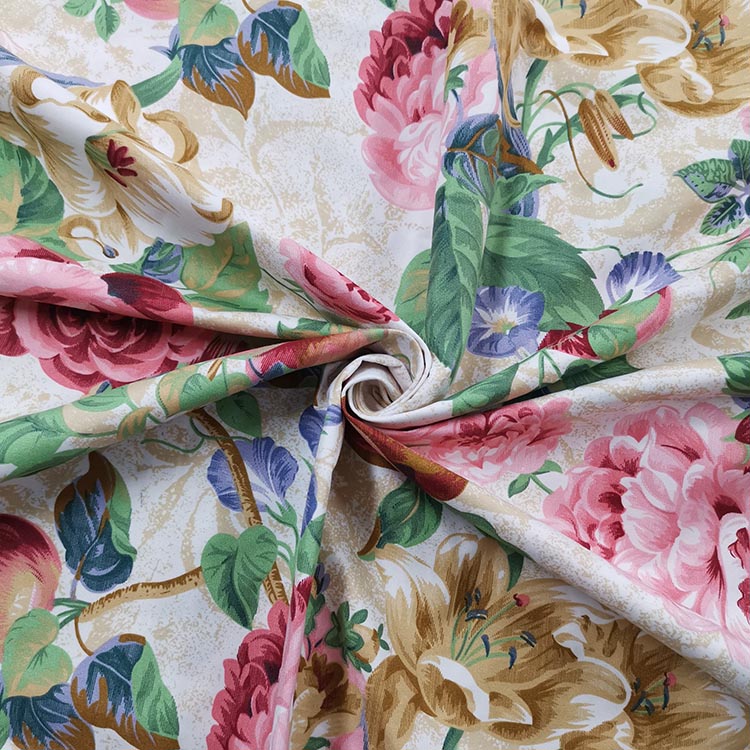
Common Fabric Constructions Used for Disperse Printing
Not every polyester fabric construction is equally suited to disperse printing. The weave or knit structure, yarn type, and fabric weight all influence how sharply dye transfers, how vibrant colors appear, and how the finished fabric handles in its end-use application.
Satin and Charmeuse Weaves
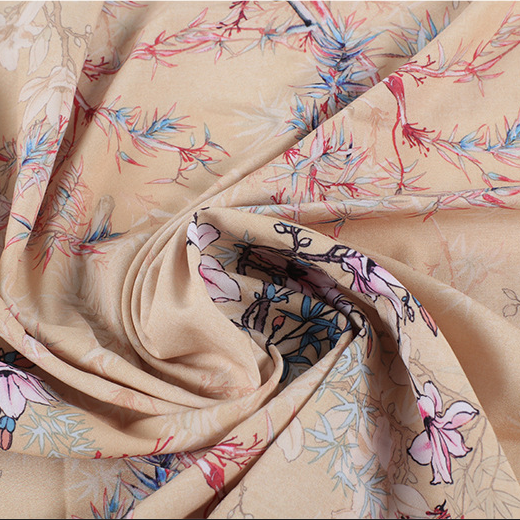
Polyester satin and charmeuse fabrics have a smooth, lustrous face created by long floating yarn segments on the surface. This smooth surface allows sublimation inks to transfer with exceptional sharpness and color depth, making satin constructions the preferred substrate for fashion prints, lingerie, scarves, and evening wear where visual richness is paramount. The reflective surface amplifies color luminosity in a way that matte fabrics cannot replicate.
Microfiber and Peach-Skin Fabrics
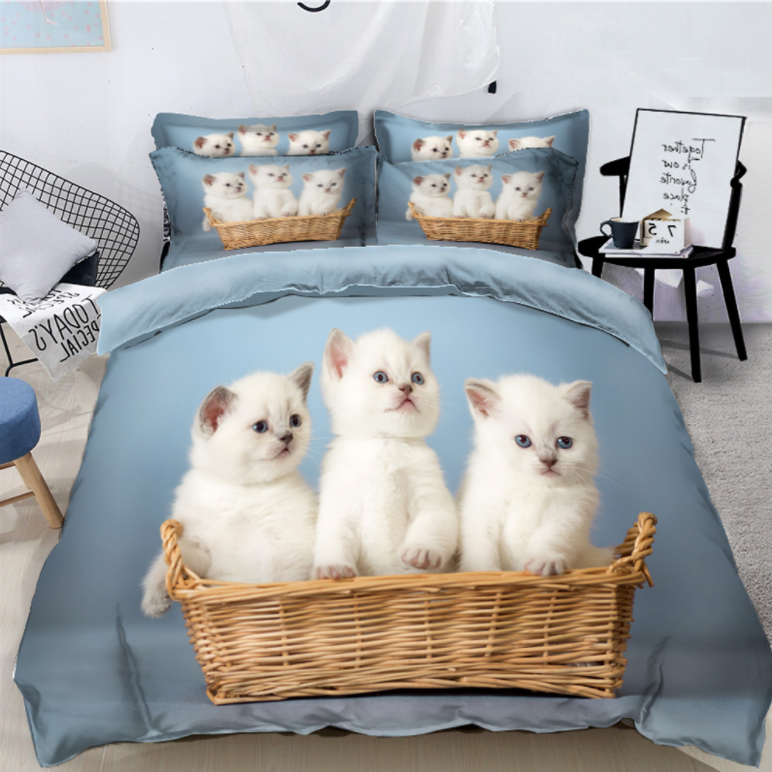
Microfiber polyester — fabrics woven or knitted from filament yarns finer than 1 denier per filament — produces a soft, suede-like hand after a buffing or sanding finish known as peach-skin finishing. These fabrics accept disperse prints beautifully because the fine fiber surface provides a dense, even dye uptake with minimal color bleeding between design elements. Peach-skin polyester is widely used for printed bedding, fashion tops, and lightweight outerwear linings.
Interlock and Jersey Knits
Knitted polyester constructions — particularly interlock and single jersey — are the dominant substrate for sportswear and activewear disperse printing. Their stretch recovery, breathability, and compatibility with moisture-wicking finishes make them ideal for athletic jerseys, cycling gear, yoga wear, and team uniforms. The slight texture of a knit surface produces a softer visual quality compared to woven satin, which suits the casual and performance aesthetics of the sportswear market.
End-Use Applications and Buying Considerations
The breadth of applications for 100% polyester disperse print fabric is one of its defining commercial strengths. The same dye chemistry and heat-fixation mechanism that produces vivid fashion prints also delivers long-lasting outdoor graphics and durable workwear decoration. Key market segments include:
- Sportswear and activewear: Sublimation-printed polyester jerseys, running tights, and cycling kits are produced in enormous volumes for professional teams, recreational clubs, and fashion athleisure brands. The all-over print capability of sublimation transfer allows full-garment graphic coverage without additional weight or hand feel.
- Home furnishings: Printed polyester is used extensively in curtains, cushion covers, bedding sets, and tablecloths. Its dimensional stability and wash fastness make it more practical than printed cotton in high-use household applications, and its lower cost per meter enables more elaborate multi-color designs.
- Soft signage and display: Fabric banners, trade show displays, retail backdrops, and exhibition graphics are almost exclusively produced on 100% polyester disperse print fabric because it is lightweight, packable, and produces images with no glare — unlike vinyl alternatives — while offering adequate outdoor durability for short-term installations.
- Fashion and accessories: Printed polyester satin, chiffon, and georgette are staple materials in the fast-fashion segment for dresses, blouses, scarves, and linings. The ability to reproduce photographic prints and complex color gradients at a lower cost than silk or cotton makes polyester the practical choice for trend-driven seasonal collections.
- Workwear and uniforms: Durable polyester twill and canvas constructions printed with company logos or high-visibility patterns serve the corporate uniform and safety workwear sectors, where colorfastness to washing and abrasion resistance are contractual requirements rather than optional features.
When sourcing 100% polyester disperse print fabric, buyers should request color fastness test certificates to ISO 105 standards, confirm the dye class used (high-energy disperse dyes offer superior light fastness for outdoor applications compared to low-energy alternatives), and specify the fabric weight in grams per square meter appropriate for the intended end use — typically 80 to 120 gsm for apparel and soft signage, 150 to 300 gsm for upholstery and heavy-duty applications. Verifying that the supplier uses lead-free and azo-free disperse dyes is also essential for meeting REACH and Oeko-Tex Standard 100 compliance requirements in European and North American markets.