

 English
 中文简体
中文简体

Content
- 1 What Jacquard Fabric Is and How It Gets Its Distinctive Patterns
- 2 How the Jacquard Weaving Process Works
- 3 Main Types of Jacquard Fabric and Their Characteristics
- 4 Fiber Content Options and How They Affect Performance
- 5 Common Applications of Jacquard Fabric Across Industries
- 6 How to Identify Quality Jacquard Fabric When Buying
- 7 Care and Maintenance of Jacquard Fabric
- 8 Jacquard Fabric in Contemporary Design and Future Developments
What Jacquard Fabric Is and How It Gets Its Distinctive Patterns
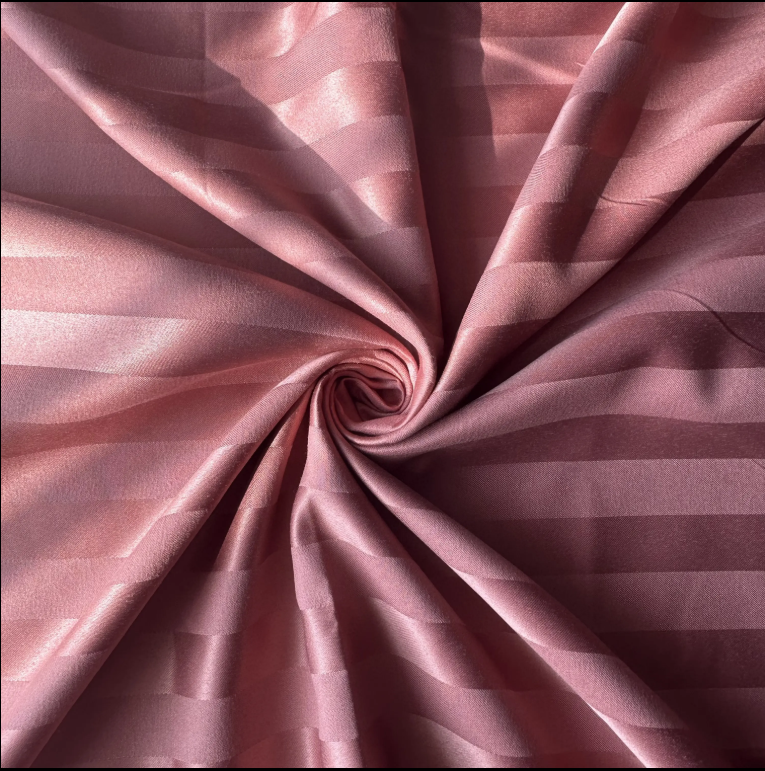
Jacquard fabric is a category of woven textile defined not by its fiber content but by the method used to create its patterns. Unlike printed fabrics where designs are applied to the surface after weaving, or embroidered fabrics where patterns are added on top of a finished base cloth, jacquard patterns are woven directly into the fabric structure during production. The design is formed by controlling the interlacing of individual warp threads independently, allowing complex, multi-layered patterns with sharp detail, dimensional texture, and color depth that flat weaving techniques cannot achieve.
The name derives from Joseph Marie Jacquard, the French inventor who in 1804 developed a loom attachment — the Jacquard mechanism — that automated the control of individual warp threads using punched cards. Before this invention, complex figured weaving required drawboys who manually lifted warp threads on instruction from the weaver, making elaborate patterned cloth extremely labor-intensive and expensive. The Jacquard mechanism's punched card system was revolutionary enough to become a direct conceptual ancestor of the binary programming used in early computers. Today, modern Jacquard looms are controlled by digital software, allowing pattern complexity that would have been unimaginable in the nineteenth century, while retaining the fundamental principle of individual warp thread control that defines the technique.
How the Jacquard Weaving Process Works
In conventional weaving, groups of warp threads are lifted and lowered together by a set of frames called heddles, limiting pattern complexity to simple repeating structures. A Jacquard loom replaces this system with a mechanism that controls each warp thread independently through a series of hooks and needles actuated by the pattern program. This individual thread control allows the weaver to specify exactly which warp threads are raised and which are lowered for each pass of the weft thread, enabling the creation of any pattern that can be expressed as a binary on/off instruction for each thread position across the width of the fabric.
Modern electronic Jacquard machines can control thousands of warp threads independently in a single loom width — high-end machines managing 10,000 or more individual thread hooks are used for the finest luxury fabric production. The pattern is designed digitally using specialized CAD software that converts artwork into weave structure data, specifying the exact sequence of thread lifts required to reproduce the design. This digital workflow allows designers to visualize how a pattern will translate into woven structure before any cloth is produced, reducing sampling costs and enabling rapid iteration between design concepts.
Main Types of Jacquard Fabric and Their Characteristics
Jacquard is a weaving technique applicable to a wide range of fabric constructions, each producing distinct aesthetic and performance characteristics. The most important types differ in their structural complexity, fiber content, surface appearance, and typical end uses.
Brocade
Brocade is arguably the most recognized form of Jacquard fabric, characterized by raised patterns that appear to float above the background cloth. The three-dimensional relief effect is achieved by introducing supplementary weft threads that travel across the fabric surface only in the areas forming the pattern, creating a rich, embossed appearance. Traditional brocades used silk and gold or silver metallic threads; contemporary brocades are produced in silk, polyester, cotton, and fiber blends. The fabric is heavy, with excellent drape and a formal, luxurious aesthetic that makes it a standard choice for evening wear, ceremonial dress, upholstery, and decorative cushions.
Damask
Damask is a reversible Jacquard fabric in which the pattern is formed by contrasting areas of warp-faced and weft-faced weave structures within a single cloth layer. Because both faces of the weave are used to create the visual contrast, damask is reversible — the pattern appears on both sides of the fabric, though with figure and ground colors reversed. Traditional damask was woven in single-color silk or linen, deriving its pattern visibility from the play of light across contrasting weave surfaces. Modern damask is woven in cotton, polyester, and blended yarns and is widely used for tablecloths, napkins, drapery, and upholstery where a formal, self-patterned appearance is desired.
Tapestry
Tapestry-weave Jacquard fabric uses multiple colored weft threads to build up detailed pictorial or geometric designs with a dense, textured surface reminiscent of hand-woven wall tapestries. The fabric is typically heavy and stiff, with excellent dimensional stability, making it well-suited to upholstery, bags, wall hangings, and decorative panels. The visual character of tapestry Jacquard depends on the color palette and number of weft colors programmed into the weave structure — complex tapestry designs can incorporate dozens of distinct colors within a single pattern repeat.
Matelassé
Matelassé is a double-cloth or compound Jacquard construction that creates a padded, quilted, or blistered surface texture without any actual stuffing material. The effect is produced by weaving two layers of fabric simultaneously with connecting threads that draw the layers together in the background areas, causing the unconnected areas to puff up and form raised motifs. The name comes from the French word for "cushioned" or "padded." Matelassé is commonly used for coverlets, pillowcases, bridal wear, and structured jacket fabrics where textural interest and dimensional quality are desired without the weight of quilted constructions.
Cloqué
Cloqué (also spelled cloky) is a Jacquard fabric with an irregular, blistered surface texture caused by differential shrinkage between yarns of different fiber types or twist levels within the weave structure. Unlike matelassé, where the texture results from weave structure alone, cloqué relies on the physical contraction of certain yarns during finishing to create its characteristic puckered surface. It is lighter than most structured Jacquard types and is popular for blouses, dresses, and suiting fabrics where a subtle, organic surface interest is desired without the formality of brocade or the weight of tapestry.
Fiber Content Options and How They Affect Performance
Jacquard fabric can be produced in virtually any fiber, and the choice of fiber content profoundly affects the fabric's weight, drape, luster, durability, and care requirements. Many Jacquard fabrics combine multiple fiber types to optimize specific performance characteristics.
| Fiber | Key Properties | Best For | Considerations |
| Silk | High luster, fluid drape, lightweight | Evening wear, luxury upholstery | Expensive, dry clean only |
| Cotton | Breathable, soft, washable | Bed linen, table linen, casual wear | Can wrinkle; lower luster than silk |
| Polyester | Durable, colorfast, wrinkle resistant | Upholstery, drapery, formalwear | Less breathable than natural fibers |
| Wool | Warm, resilient, good structure | Suiting, coats, structured garments | Requires careful washing or dry cleaning |
| Viscose/Rayon | Silk-like drape, moderate cost | Dresses, blouses, lining fabrics | Weaker when wet; prone to shrinkage |
| Metallic Yarn Blends | High decorative effect, reflective | Evening wear, festive decor, brocade | Can be scratchy; limited washability |
Common Applications of Jacquard Fabric Across Industries
The versatility of the Jacquard technique means that jacquard fabrics appear across a remarkably diverse range of product categories, from haute couture fashion to industrial textiles. The specific type and fiber content of the jacquard selected for each application reflects the particular performance and aesthetic requirements of that end use.
- Fashion and apparel: Brocade, cloqué, and matelassé jacquards are used extensively in structured jackets, evening gowns, bridal wear, and occasion dresses. The pattern integration into the fabric structure means garments have visual richness without added weight from embellishment, and the design cannot be lost through washing or wear the way applied decoration can.
- Home furnishings and upholstery: Tapestry, damask, and brocade jacquards are standard choices for upholstered furniture, drapery, decorative cushion covers, and bed canopies. The durability of woven-in patterns — which cannot peel, crack, or fade the way printed designs can under UV exposure and abrasion — makes jacquard particularly well-suited to high-use upholstery applications.
- Table and bed linen: Damask jacquard in cotton or linen is the traditional and still-dominant choice for formal tablecloths, napkins, and hotel bedding, where a self-patterned formal appearance is desired without the maintenance complications of embroidered or printed alternatives.
- Accessories and bags: Tapestry jacquard is widely used for tote bags, clutch bags, wallets, and belts, where its dimensional stability, abrasion resistance, and pattern permanence are significant practical advantages over printed alternatives.
- Sportswear and technical textiles: Modern electronic Jacquard technology has expanded into performance textiles, enabling seamless knit jacquard constructions used in compression garments, athletic footwear uppers, and wearable technology integration where conductive yarns are woven into specific pattern zones.
How to Identify Quality Jacquard Fabric When Buying
Evaluating jacquard fabric quality requires examining several aspects of the cloth beyond its visual surface appearance. Pattern definition, yarn quality, weave density, and finishing all contribute to how the fabric performs and how well it maintains its appearance over its service life.
Pattern Definition and Edge Sharpness
In high-quality jacquard, pattern edges are crisp and clearly defined, with clean transitions between motifs and background. Blurred or fuzzy pattern edges indicate either low thread count — meaning the weave structure lacks the resolution to render fine details accurately — or poor loom tension control during production. Hold the fabric at arm's length and examine whether the design reads clearly as intended; then examine the edges of individual motifs closely to assess sharpness at the detail level.
Float Length and Weave Integrity
Many Jacquard structures — particularly brocade — involve long warp or weft floats where threads cross multiple threads without interlacing, creating the raised surface effect. Examine the length of these floats on the fabric back or surface: very long floats (extending more than 1–2 cm) are prone to snagging during use and indicate either a design fault or cost-cutting in the weave structure. Well-engineered jacquard fabrics balance the visual effect of floats with practical durability by limiting float length to values appropriate for the end use.
Yarn Quality and Surface Consistency
Examine the yarn surface across the fabric under good lighting. Consistent luster, even yarn diameter, and absence of slubs, knots, or thick-thin variations indicate well-spun, quality yarn input. Uneven yarn quality produces irregular light reflection across the fabric surface and inconsistent pattern appearance that becomes more obvious after washing or wear removes the temporary smoothing effect of finishing treatments applied during fabric production.
Care and Maintenance of Jacquard Fabric
Correct care of jacquard fabric preserves both its structural integrity and the visual quality of its patterns. Because jacquard fabrics vary significantly in fiber content and construction complexity, there is no single universal care instruction — always check the specific care label and follow the most conservative guidance provided.
- Silk and metallic jacquards: These require dry cleaning in almost all cases. Water immersion can cause differential shrinkage between fiber types, distorting pattern registration and permanently altering the fabric structure. Metallic yarns are particularly vulnerable to water damage, as the adhesive bonding the metallic coating to the yarn core can dissolve and cause the metallic finish to flake.
- Cotton and linen damask: Cotton and linen damask table and bed linen can generally be machine washed at 40°C on a gentle cycle, but should be removed while slightly damp and ironed on the reverse side while still moist to restore the surface sheen and crispness that defines the damask weave contrast. Tumble drying at high heat flattens the weave structure and dulls the surface finish.
- Polyester jacquard upholstery: Spot clean with a damp cloth and mild detergent for routine maintenance. Avoid saturating the fabric, as moisture can cause backing adhesives or foam substrates to deteriorate. Professional upholstery cleaning is recommended for deep cleaning of heavily soiled pieces.
- Avoiding snags: The floating threads characteristic of many jacquard constructions, particularly brocade, are vulnerable to snagging on rough surfaces, jewelry, and Velcro fasteners. Store jacquard garments in breathable fabric bags and handle brocade pieces with care to prevent pulling individual floats loose from the fabric surface — a damage type that cannot be repaired without visible evidence.
Jacquard Fabric in Contemporary Design and Future Developments
The Jacquard technique continues to evolve as digital design tools, advanced yarn technologies, and new loom architectures expand what is technically achievable in woven fabric. Digital Jacquard printing — which combines inkjet printing with physical weave texture to create photorealistic imagery on textured fabric grounds — has opened new possibilities for interior fabric design where image-quality reproduction was previously impossible in woven form. Three-dimensional Jacquard structures, including fabrics woven as preformed three-dimensional shapes rather than flat cloth, are being developed for technical applications in aerospace composites, medical implants, and advanced protective textiles.
In sustainable fashion, Jacquard weaving offers inherent advantages over printed and embellished alternatives — the pattern is integral to the fabric and requires no additional processes that consume water, chemical dyes, or adhesives after weaving. Designers working with natural and recycled fiber inputs are increasingly specifying Jacquard constructions precisely because the technique achieves visual complexity without the environmental footprint of post-weave decoration processes. As yarn innovation continues to deliver new performance fibers — including biodegradable synthetics, recycled polyester from ocean plastics, and bio-based elastomers — the Jacquard loom remains a uniquely flexible platform for translating these material advances into finished fabrics with both functional performance and genuine aesthetic distinction.