

 English
 中文简体
中文简体

Content
- 1 What Is 100% Polyester Microfiber Pongee Fabric?
- 2 Key Properties That Make It an Excellent Lining Fabric
- 3 Common Applications Across Industries
- 4 Understanding Fabric Weight and Choosing the Right GSM
- 5 Available Finishes and Functional Coatings
- 6 How to Source and Evaluate Quality Pongee Lining Fabric
- 7 Why Polyester Pongee Continues to Dominate the Lining Market
What Is 100% Polyester Microfiber Pongee Fabric?
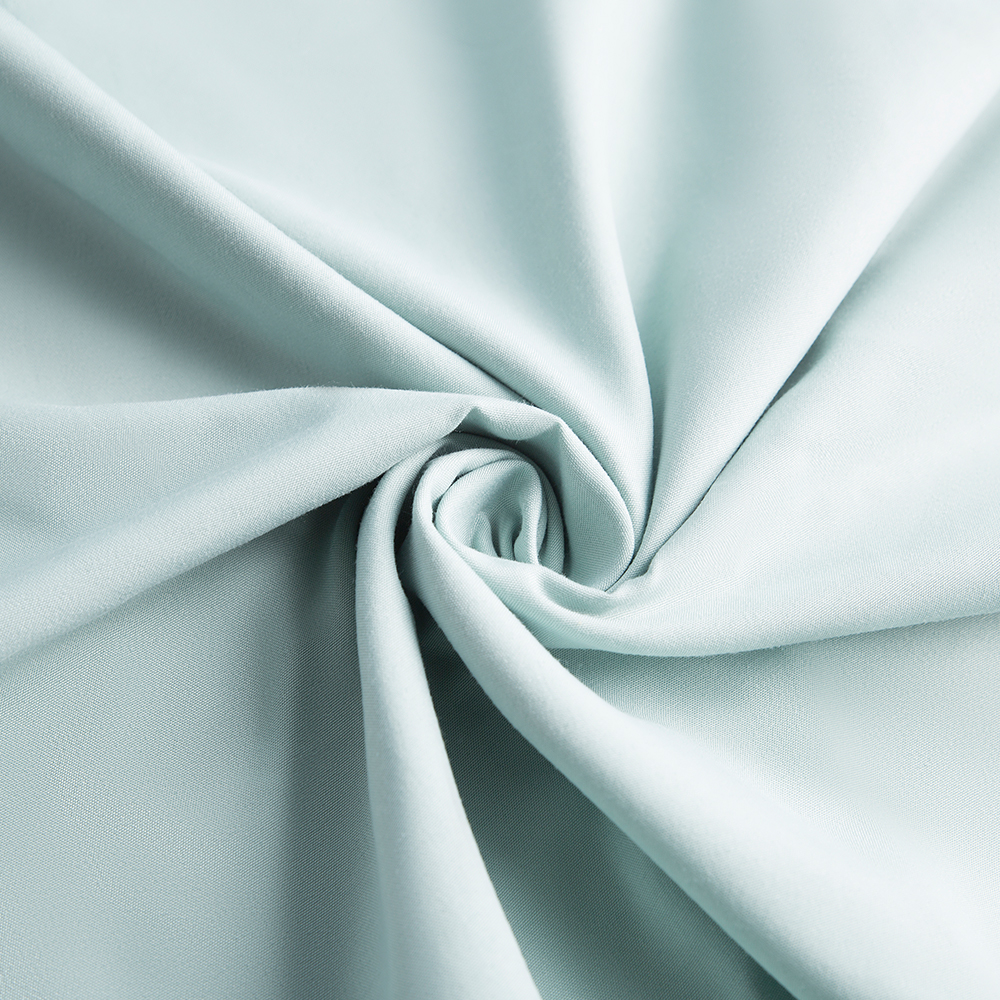
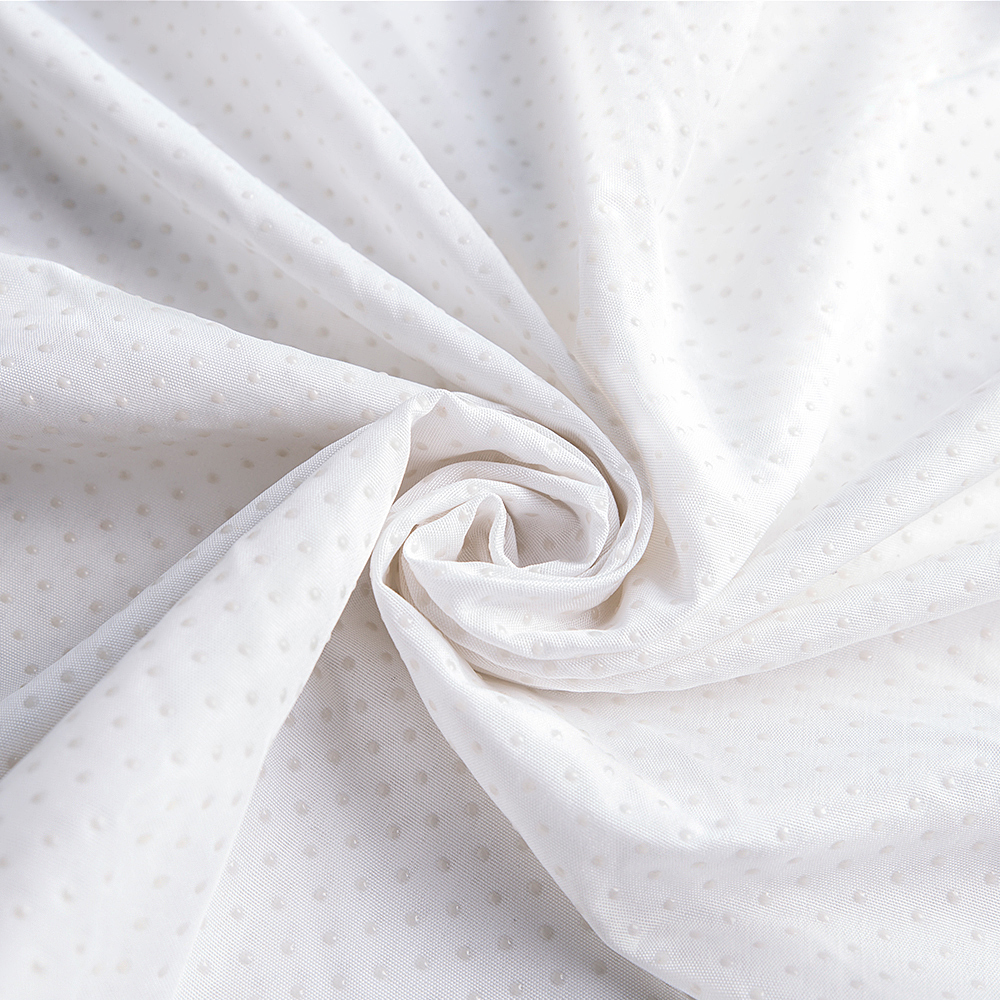
Pongee is a lightweight, plain-weave fabric with a smooth, slightly lustrous surface. Traditionally woven from silk, modern pongee is now almost universally produced using 100% polyester microfiber — ultra-fine synthetic filaments that replicate the softness and drape of natural silk at a fraction of the cost. The result is a fabric that feels gentle against the skin, resists wrinkling, and holds its shape through repeated use and washing. When used as a lining fabric, 100% polyester microfiber pongee offers a compelling combination of performance, economy, and versatility that few alternatives can match.
Microfiber pongee is typically woven at a very fine thread count, producing a tight, even surface with minimal texture variation. This uniformity makes it ideal for applications where a smooth inner layer is required — whether inside a jacket, a bag, a pair of trousers, or an outerwear shell. The fabric is available in a wide spectrum of weights, usually ranging from 30gsm to 90gsm, allowing manufacturers and designers to select the precise density required for their end product.
Key Properties That Make It an Excellent Lining Fabric
Not every fabric performs well as a lining. A good lining must be lightweight enough not to add bulk, smooth enough to allow easy movement inside an outer shell, durable enough to survive regular wear, and stable enough to maintain its dimensions after washing. Polyester microfiber pongee excels in all of these categories, which is why it has become the default lining material across a broad range of industries.

Lightweight and Low Bulk
One of the most important qualities of a lining fabric is that it should add as little weight and bulk as possible to the finished garment or product. Microfiber pongee achieves this exceptionally well. At weights starting from around 30gsm, it adds virtually no perceptible weight to the outer shell, making it particularly popular for lightweight sportswear, windbreakers, and packable jackets where every gram matters.
Smooth Surface for Easy Movement
A lining's primary functional role is to reduce friction between the outer fabric and the wearer's skin or undergarments. The tightly woven, smooth surface of polyester microfiber pongee glides easily against other materials, making it comfortable to put on and take off and preventing the garment from bunching or sticking during wear. This low-friction quality also protects the outer shell from interior abrasion, extending the life of the entire garment.
Durability and Resistance to Wear
Polyester as a fiber is inherently strong, resistant to stretching and shrinking, and highly resilient under repeated mechanical stress. Unlike natural fiber linings such as silk or cotton, polyester microfiber pongee does not weaken significantly over time when exposed to regular washing and friction. It maintains its tensile strength and structural integrity across hundreds of wash cycles, making it a reliable long-term choice for garments and accessories designed for heavy use.
Moisture-Wicking Capability
Many versions of polyester microfiber pongee — particularly those used in activewear and outdoor apparel — are finished with moisture-wicking treatments that help draw perspiration away from the skin and toward the outer layer where it can evaporate. This adds a functional performance dimension to what might otherwise be considered a purely structural component, improving wearer comfort during physical activity.
Colorfastness and Dye Versatility
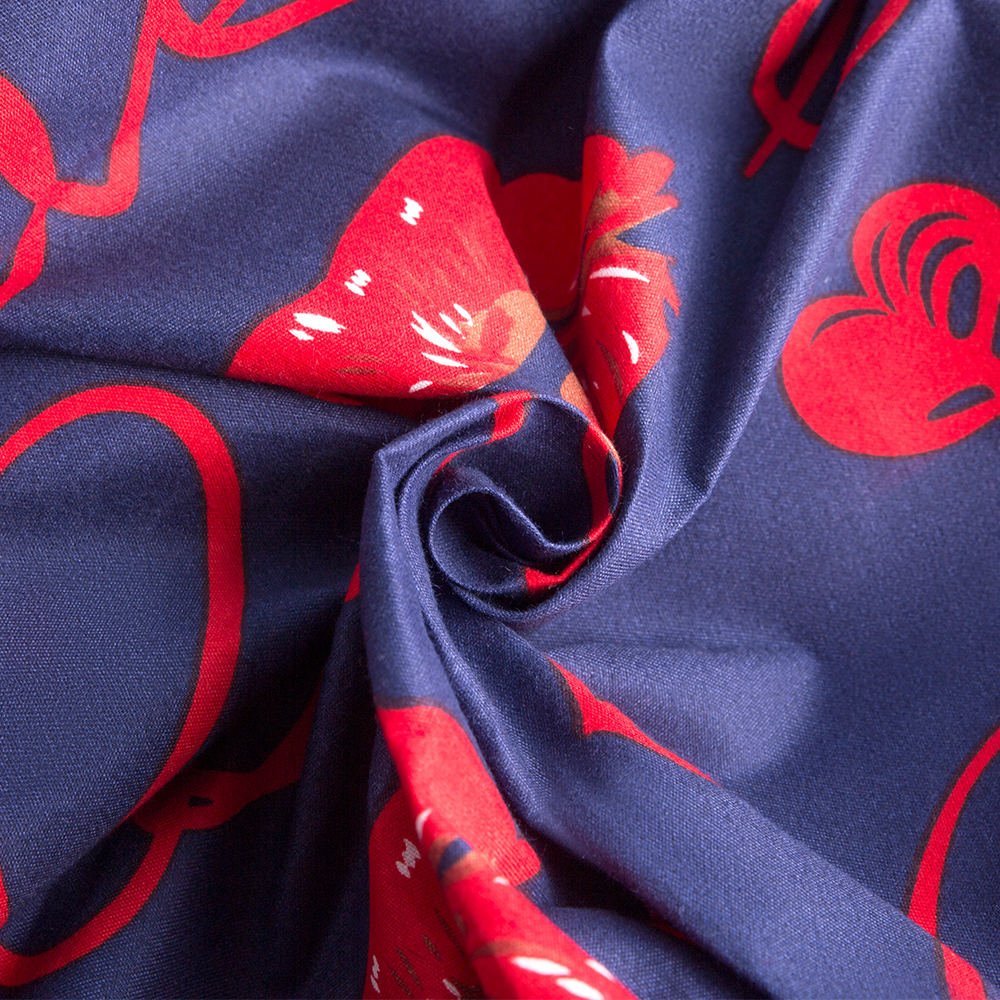
Polyester accepts disperse dyes readily and holds color exceptionally well, even after prolonged exposure to washing, light, and perspiration. Microfiber pongee can be produced in virtually any color, including deep solids, pastels, and prints, without significant dye bleeding or fading over time. This makes it easy to match or contrast with outer shell fabrics, giving designers flexibility in creating coordinated or visually interesting interior finishes.
Common Applications Across Industries
The versatility of 100% polyester microfiber pongee lining fabric has led to its adoption across a remarkably wide range of product categories. Its consistent quality, easy availability, and competitive pricing have made it the go-to lining solution for both mass-market manufacturing and premium product lines.
- Outerwear and jackets: Windbreakers, parkas, down jackets, and rain jackets almost universally use pongee lining to reduce friction, add a polished interior finish, and in some cases provide a light wind-resistant barrier.
- Sportswear and activewear: Running jackets, cycling vests, and athletic shells rely on moisture-wicking pongee lining to keep athletes dry and comfortable during high-output activities.
- Bags and luggage: Interior bag linings made from pongee protect contents, reduce abrasion inside the bag, and make it easier to locate items against a smooth, often light-colored surface.
- Suits and formal trousers: Thinner weights of pongee are used as sleeve and trouser linings in tailored garments, providing a clean interior finish without adding stiffness.
- Umbrella canopies: Pongee fabric — sometimes slightly heavier and coated — is a primary material for umbrella canopies due to its tightly woven structure, which helps repel water while remaining lightweight.
- Home textiles and accessories: Curtain backings, cushion inner covers, and decorative pillow linings frequently use pongee for its smooth texture and dimensional stability.
Understanding Fabric Weight and Choosing the Right GSM
One of the most important specifications to understand when sourcing polyester microfiber pongee lining fabric is GSM — grams per square meter. This measurement directly affects how the fabric feels, how it performs, and how appropriate it is for a given application. Choosing the wrong GSM can result in a lining that is too stiff, too sheer, or too heavy for its intended use.
| GSM Range | Weight Category | Best Applications |
| 30–45 gsm | Ultra-lightweight | Packable jackets, sportswear, thin shell garments |
| 50–65 gsm | Lightweight | General outerwear lining, bag interiors, casual jackets |
| 70–80 gsm | Medium weight | Trousers, suit linings, structured bags |
| 85–100 gsm | Heavier weight | Umbrella fabric, workwear, durable outerwear |
Available Finishes and Functional Coatings
Beyond the base fabric, 100% polyester microfiber pongee can be enhanced with a range of functional finishes and coatings that expand its performance characteristics. These treatments are applied during or after the weaving process and allow manufacturers to tailor the fabric precisely to the demands of the end product.
Water-Repellent (DWR) Finish
A Durable Water Repellent (DWR) coating causes water to bead up and roll off the fabric surface rather than being absorbed. This finish is commonly applied to pongee lining used in rain jackets, waterproof trousers, and outdoor gear, where moisture management is a primary concern. DWR finishes can be reactivated through tumble drying and can withstand multiple washing cycles before requiring reapplication.
Anti-Static Treatment
Static electricity is a well-known issue with synthetic fabrics. Anti-static finishes reduce the tendency of pongee lining to cling to the outer shell or to the wearer's skin and undergarments, improving comfort — especially in dry climates or during winter wear where static buildup is more pronounced.
Calendering and Embossing
Calendering involves passing the fabric through heated rollers to produce an exceptionally smooth, slightly glossy surface. Embossing uses textured rollers to create repeating surface patterns. Both processes can improve the aesthetic appeal of the lining without compromising the fabric's core functional properties.
How to Source and Evaluate Quality Pongee Lining Fabric
When sourcing 100% polyester microfiber pongee for lining applications, several quality indicators should guide your evaluation. Not all pongee fabric is produced to the same standard, and poor-quality material can lead to premature failure, color bleeding, or performance shortfalls in the final product.
- Check the denier rating: Lower denier values (e.g., 20D, 30D) indicate finer, softer microfibers, while higher values (e.g., 75D, 100D) indicate coarser, more durable yarn. Match the denier to your application's softness and durability requirements.
- Request a colorfastness test report: A reputable supplier should be able to provide ISO or AATCC colorfastness ratings confirming that the dye will not bleed onto lighter-colored outer shells or skin under washing or perspiration.
- Verify GSM with a sample: Always request physical samples and verify the GSM independently before committing to a large order, as declared and actual weights can differ between suppliers.
- Assess finish durability: If ordering fabric with functional finishes such as DWR or anti-static, ask for wash-durability data to confirm the treatment will survive the expected lifespan of the finished product.
- Inspect weave uniformity: Hold the fabric up to a light source and check for uneven weave density, streaks, or thin patches, which can indicate inconsistent production quality and potential weak points in the finished lining.
Why Polyester Pongee Continues to Dominate the Lining Market
Despite ongoing innovation in textile materials — including recycled polyester, bio-based synthetics, and advanced technical fabrics — 100% polyester microfiber pongee remains the dominant lining fabric in global apparel and accessories manufacturing. Its dominance is not accidental. The combination of low cost, reliable availability, proven performance, and exceptional versatility creates a value proposition that newer or more exotic materials struggle to match at scale.
For brands with sustainability commitments, the picture is also improving. Recycled polyester pongee — produced from post-consumer PET bottles or fabric waste — is increasingly available from major suppliers and carries GRS (Global Recycled Standard) certification, allowing manufacturers to meet green procurement targets without sacrificing the performance characteristics that make pongee the preferred lining choice in the first place. As production technology continues to advance, the case for 100% polyester microfiber pongee as a lining fabric only grows stronger.