

 English
 中文简体
中文简体

Content
- 1 What Is Mattress Ice Silk Fabric and How Is It Made?
- 2 What Makes Ice Silk Fabric Feel Cool on a Mattress?
- 3 What Are the Main Benefits of Ice Silk Fabric for Mattresses?
- 4 What Types of Ice Silk Fabric Are Used in Mattresses?
- 5 How to Evaluate Quality When Buying Ice Silk Mattress Fabric
- 6 How to Care for a Mattress with Ice Silk Fabric
What Is Mattress Ice Silk Fabric and How Is It Made?
Mattress ice silk fabric is a category of high-performance textile engineered specifically to deliver a cooling sensation upon contact with skin, making it a popular choice for mattress covers, toppers, and pillowcases in warm climates or for sleepers who tend to overheat at night. Despite its name, ice silk contains no actual silk fibers in most commercial formulations. Instead, it is typically constructed from synthetic or semi-synthetic fibers — most commonly nylon, polyester, viscose, or blended compositions — that are processed and woven in ways that enhance their thermal conductivity and moisture management properties.
The manufacturing process involves spinning ultra-fine fibers at high density and weaving them into a fabric with a smooth, flat surface structure. This surface minimizes the air pockets that trap body heat between the skin and the fabric. Some ice silk products incorporate phase-change materials (PCMs) — microscopic capsules embedded in the fiber or coating that absorb and store heat energy as they change from solid to liquid state, releasing it slowly when the surrounding temperature drops. This technology actively buffers temperature fluctuations throughout the night rather than simply conducting heat away passively.
The result is a fabric that feels noticeably cooler to the touch than standard cotton or polyester knits, has a characteristic smooth and slightly slippery hand feel reminiscent of natural silk, and is significantly lighter in weight than comparable woven textiles. These properties have made mattress ice silk fabric a sought-after material in the bedding industry, particularly as awareness of sleep quality and thermal comfort has grown among consumers worldwide.
What Makes Ice Silk Fabric Feel Cool on a Mattress?
The cooling sensation associated with ice silk fabric is not purely psychological — it results from specific physical and thermal properties built into the material's fiber composition and construction. Understanding these mechanisms helps explain why ice silk outperforms conventional bedding fabrics in warm sleeping environments.
High Thermal Conductivity
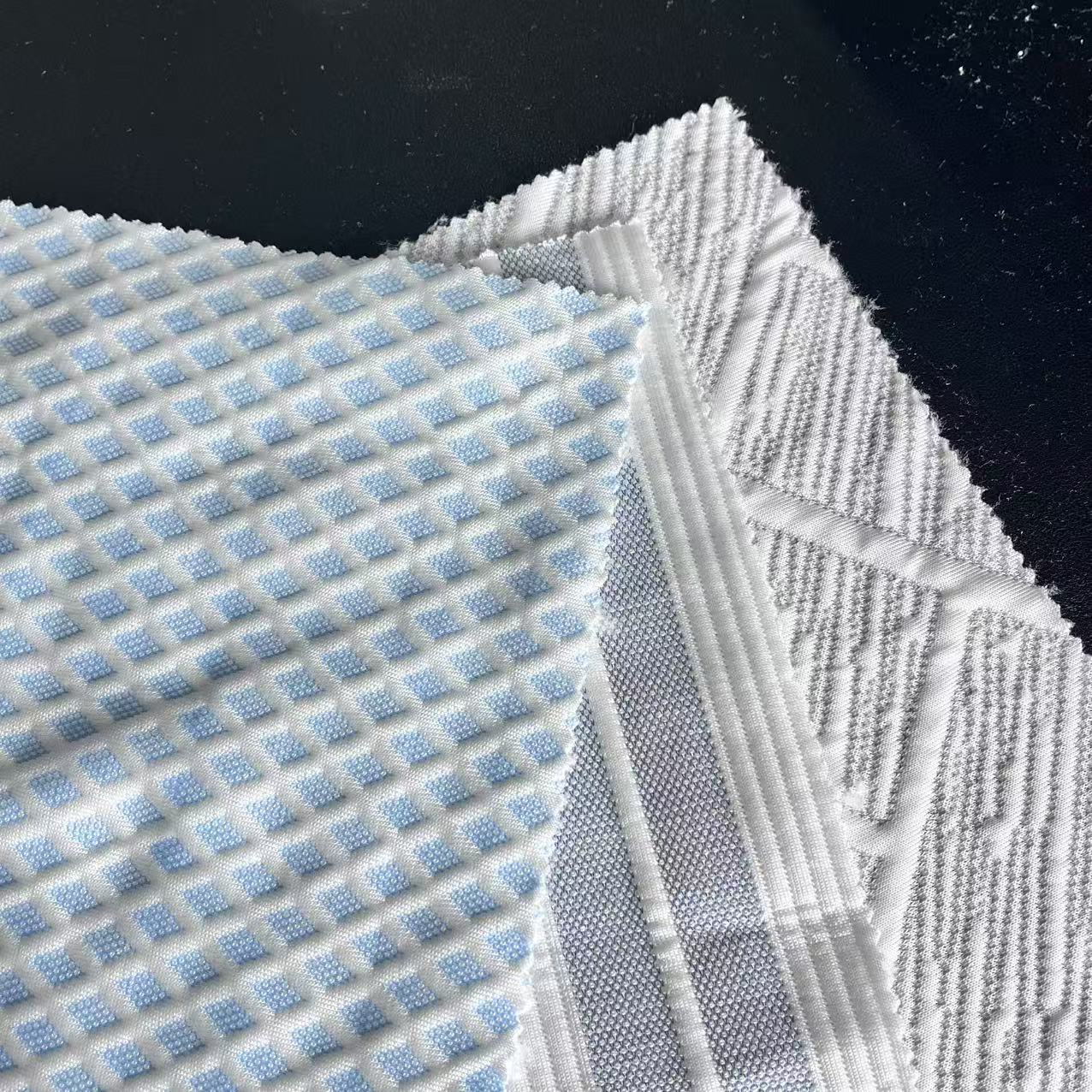
The primary cooling mechanism is thermal conductivity — the rate at which a material transfers heat away from a warmer surface. Ice silk fibers, particularly those based on nylon or modified polyester, have higher thermal conductivity than natural cotton fibers. When your skin contacts the fabric, heat flows from your body into the fabric more quickly than it would with standard bedding, creating the perception of coolness. This effect is most pronounced during the first few minutes of contact and is why ice silk feels refreshingly cool when you first lie down.
Moisture Wicking and Rapid Evaporation
Effective cooling during sleep also depends on how well a fabric manages perspiration. Ice silk fabrics are engineered with capillary wicking structures — microscopic channels formed by the arrangement of ultra-fine fibers — that draw moisture away from the skin surface and spread it across a larger area of the fabric for faster evaporation. This prevents the buildup of damp, warm air between the sleeper's body and the mattress surface, which is a major contributor to nighttime overheating in less breathable fabrics.
Low Fabric Density and High Breathability
Many ice silk fabrics use open-weave or fine-knit structures that allow air to circulate through the material more freely than densely woven fabrics. This breathability reduces heat accumulation within the mattress cover assembly and supports passive ventilation of body heat throughout the night. The combination of smooth surface, high conductivity, and breathability creates a sustained cooling environment rather than just a brief initial cool sensation.
What Are the Main Benefits of Ice Silk Fabric for Mattresses?
The growing popularity of mattresses and mattress covers made with ice silk fabric reflects a genuine set of practical advantages that distinguish it from conventional bedding textiles. These benefits go beyond just temperature regulation and encompass comfort, durability, and ease of maintenance.
- Cooling comfort for hot sleepers: Individuals who naturally run warm at night, experience night sweats, or live in hot and humid climates experience a measurable improvement in sleep comfort with ice silk-covered mattresses, as the fabric actively reduces the thermal buildup that disrupts sleep cycles.
- Smooth, skin-friendly surface: The fine fiber construction and tight weave of ice silk creates an exceptionally smooth surface that reduces friction against the skin, making it comfortable for people with sensitive skin and minimizing the irritation that rougher fabrics can cause during movement in sleep.
- Lightweight and non-restrictive: Ice silk fabric is significantly lighter per square meter than most woven cotton or polyester blends, contributing to a mattress cover or topper that feels unobtrusive and does not add unwanted weight or stiffness to the sleep surface.
- Durability and shape retention: Quality ice silk fabrics, particularly those based on nylon or high-tenacity polyester, maintain their structural integrity and smooth surface texture through many wash cycles without pilling, stretching, or losing their characteristic hand feel.
- Easy care and quick drying: Unlike natural silk or high-thread-count cotton, ice silk dries rapidly after washing due to its low moisture absorption capacity, making it practical for regular laundering — an important hygiene consideration for mattress covers.
- Aesthetic appeal: The lustrous sheen of ice silk fabric gives mattresses and bedding a visually premium appearance that resembles natural silk at a fraction of the cost, appealing to consumers who value both function and aesthetics in their sleep environment.
What Types of Ice Silk Fabric Are Used in Mattresses?
The category of mattress ice silk fabric is not monolithic — several distinct fiber compositions and fabric constructions fall under this umbrella, each with specific performance characteristics, price points, and care requirements. Understanding the differences helps buyers make informed decisions when comparing products.
| Fabric Type | Primary Fiber | Cooling Level | Best For |
| Basic Ice Silk | Nylon / Polyester blend | Moderate | General warm-weather use |
| Viscose Ice Silk | Viscose / Rayon | Moderate–High | Sensitive skin, natural feel |
| PCM Ice Silk | Polyester with phase-change coating | High | Hot sleepers, night sweats |
| Bamboo Ice Silk | Bamboo viscose blend | Moderate | Eco-conscious buyers |
| Tencel Ice Silk | Lyocell (Tencel) blend | Moderate–High | Premium comfort, sustainability |
Among these variants, PCM-enhanced ice silk fabrics deliver the most technologically advanced cooling performance, actively managing temperature rather than relying purely on passive heat conduction. However, they also command a premium price and require more careful laundering to preserve the PCM microcapsule coating. Bamboo and Tencel blended ice silk fabrics appeal to environmentally conscious consumers, as both bamboo viscose and Tencel lyocell are derived from renewable plant sources using processes with lower environmental impact than conventional synthetic fiber production.
How to Evaluate Quality When Buying Ice Silk Mattress Fabric
The ice silk market includes products across a wide quality spectrum, and the name alone provides no guarantee of performance. Several practical evaluation criteria can help buyers distinguish genuinely high-performing ice silk from lower-grade alternatives that share the name but not the function.
Fiber fineness is one of the most important indicators of quality. Measured in denier, finer fibers — typically below 30 denier — produce a smoother, denser fabric surface with better thermal conductivity and a more pronounced cooling effect. Coarser fiber constructions feel less silky, trap more heat, and wear less gracefully over time. When product specifications are available, look for denier values in the 15 to 30 range for premium ice silk.
Fabric weight, measured in grams per square meter (GSM), also matters. Quality mattress ice silk for covers and toppers typically falls in the 200 to 350 GSM range — heavy enough to be durable and to drape smoothly over a mattress surface, but not so dense as to compromise breathability. Very lightweight ice silk fabrics below 150 GSM may feel thin and lack the durability needed for regular washing and daily use on a mattress surface.
Always request or review third-party test data when evaluating ice silk for commercial mattress production. Legitimate cooling performance claims should be supported by standardized testing such as the ASTM D7984 standard for measuring the thermal resistance of textiles, or qmax (instant cooling value) measurements — a specific metric used in the bedding industry to quantify how quickly a fabric absorbs heat from the skin surface. A qmax value above 0.2 W/cm² is generally considered the threshold for a fabric to deliver a perceptible cooling effect.
How to Care for a Mattress with Ice Silk Fabric
Proper care of ice silk mattress covers extends their service life and preserves their cooling properties. Most ice silk fabrics perform best with gentle machine washing in cold or lukewarm water — temperatures above 40°C can cause synthetic fibers to shrink, lose their smooth surface texture, or degrade any functional coatings applied to enhance cooling performance. Use a mild, liquid detergent rather than powder detergents that can leave residues in the fine fiber structure.
Avoid tumble drying on high heat settings. Ice silk dries quickly at room temperature or on a low heat setting, and excessive heat during drying is one of the fastest ways to degrade the fabric's hand feel and dimensional stability. Do not iron ice silk directly at high temperatures — if smoothing is needed, use a cool iron with a pressing cloth between the iron and the fabric surface.
For mattress covers with PCM coatings, follow the manufacturer's specific washing instructions precisely. Aggressive washing cycles, bleach, or fabric softeners can break down the microcapsule structure that provides active cooling, permanently reducing the fabric's thermal management performance. With appropriate care, a quality ice silk mattress cover should maintain its cooling properties and aesthetic appearance through hundreds of wash cycles, making it a durable and cost-effective investment for improving sleep comfort in warmer conditions.