

 English
 中文简体
中文简体

Content
- 1 What Microfiber Curtain Fabric Is and How It Is Made
- 2 Key Performance Advantages Over Traditional Curtain Fabrics
- 3 Types of Microfiber Curtain Fabric and Their Specific Uses
- 4 Comparing Microfiber Curtain Fabric to Other Common Curtain Materials
- 5 What to Look For When Buying Microfiber Curtain Fabric
- 6 Care and Maintenance to Preserve Microfiber Curtains Long-Term
Choosing the right curtain fabric is one of the most impactful decisions in any interior design project. The material you select determines not only how a room looks but how well it manages light, maintains privacy, resists wear, and responds to daily handling. Among the many fabric options available today, microfiber curtain fabric has earned a prominent place in both residential and commercial interiors. Its combination of softness, durability, light-filtering versatility, and low-maintenance care requirements makes it a genuinely practical choice that does not compromise on aesthetics. Understanding what microfiber curtain fabric actually is, how it performs across different environments, and what to look for when purchasing it will help you make a more informed and confident decision for your space.
What Microfiber Curtain Fabric Is and How It Is Made
Microfiber is a synthetic textile made from extremely fine fibers — typically polyester, nylon, or a blend of both — that measure less than one denier per filament. To put that in perspective, a single strand of microfiber is finer than one-fifth the diameter of a human hair. This ultra-fine construction is achieved through a specialized manufacturing process in which polymer chips are extruded, stretched, and split into filaments of microscopic diameter before being woven or knitted into fabric.
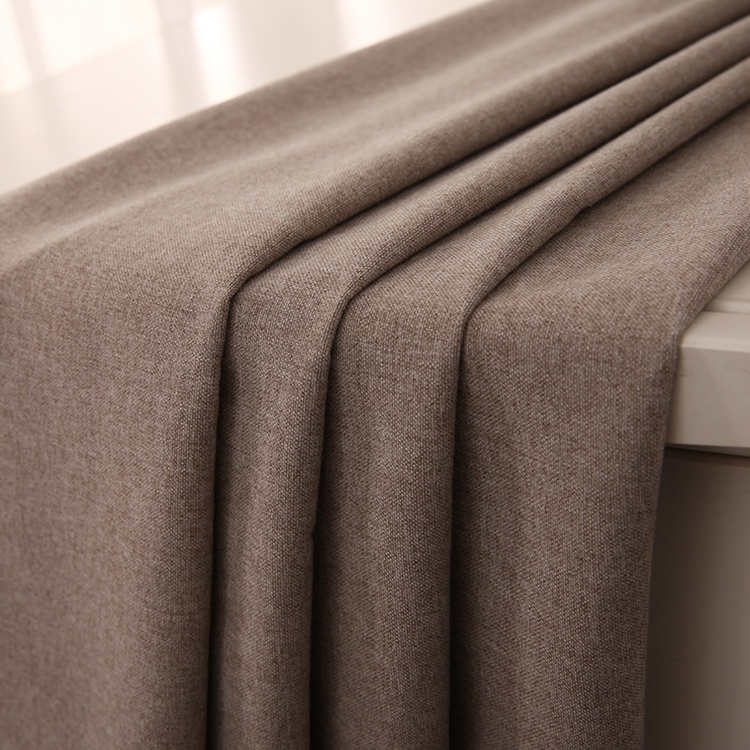
When used in curtain fabric, the microfiber construction creates a textile with an exceptionally dense fiber matrix. This density is responsible for many of the fabric's most valued properties: the smooth, almost suede-like surface texture, the way it drapes in soft, clean folds, and its ability to filter light evenly without the coarser texture visible in standard polyester weaves. Curtain-grade microfiber is typically woven in plain, twill, or satin weave structures, and it is often treated with finishes such as moisture resistance coatings, flame retardants, or UV stabilizers depending on its intended end use.
Key Performance Advantages Over Traditional Curtain Fabrics
Microfiber curtain fabric competes directly with cotton, linen, voile, velvet, and standard polyester in the window treatment market. Each material has its merits, but microfiber offers a specific combination of properties that traditional natural fiber fabrics struggle to match simultaneously.
- Wrinkle Resistance: Unlike cotton and linen, which crease heavily during handling, packaging, and washing, microfiber's synthetic fiber structure has inherent resilience. Curtains made from microfiber fabric hang smoothly after installation and recover quickly from compression, making them particularly practical for rental properties, hotels, and busy households where ironing is not a routine option.
- Fade Resistance: Natural fibers are susceptible to UV degradation, which causes colors to bleach and fibers to weaken over time when exposed to direct sunlight. Microfiber polyester has superior UV resistance compared to cotton and linen, especially when treated with UV-stabilizing finishes at the manufacturing stage. This makes it a better long-term investment for south- or west-facing windows that receive prolonged daily sun exposure.
- Moisture and Mold Resistance: Microfiber does not absorb moisture as readily as natural fibers, which makes it significantly more resistant to mildew and mold growth — a common problem with cotton curtains in bathrooms, kitchens, or humid climates. It dries quickly after washing, reducing the window of opportunity for microbial colonization during the drying process.
- Allergen Resistance: The dense, tightly woven surface of microfiber curtain fabric resists the deep penetration of dust, pollen, and pet dander that tends to embed itself in the open weave structures of linen and cotton. Regular shaking or vacuuming removes surface allergens efficiently, and machine washing restores a nearly allergen-free state — an important consideration for households with asthma or allergy sufferers.
- Durability and Abrasion Resistance: Microfiber's high tensile strength means curtains retain their appearance and structural integrity through years of daily handling, opening, closing, and repeated washing cycles. Seams and heading tape hold securely in microfiber, and the fabric does not pill or develop the surface fuzz that standard polyester curtains often show after extended use.
Types of Microfiber Curtain Fabric and Their Specific Uses
Microfiber curtain fabrics are not a single product — they encompass a range of constructions and finishes that deliver different light control, opacity, and decorative effects. Selecting the correct type for each room requires understanding the distinctions between them.
Sheer Microfiber Voile
Sheer microfiber voile uses an open, lightweight weave that allows diffused natural light to pass through while softening glare and providing daytime privacy against direct line-of-sight. The microfiber construction gives voile curtains a silkier, more refined drape compared to traditional polyester voile, with less of the synthetic sheen that can look cheap in formal settings. Sheer microfiber voile is ideal for living rooms, dining rooms, and bedrooms where the goal is to maintain brightness while filtering direct sunlight.
Semi-Sheer and Light-Filtering Microfiber
A denser weave than voile but not fully opaque, semi-sheer microfiber filters approximately 50–70% of incoming light while preserving a sense of openness in the room. These fabrics work particularly well in home offices and kitchen areas where glare reduction is important but complete blackout is not required. The slightly heavier construction also improves drape quality, creating more defined pleats and folds compared to sheer alternatives.
Blackout Microfiber Fabric
Blackout microfiber is a triple-weave or coated microfiber fabric engineered to block virtually all incoming light — typically 99% or more when correctly sized and installed with adequate side returns. It is the preferred choice for bedrooms, media rooms, nurseries, and shift workers' accommodations where sleep quality depends on complete darkness. Unlike some traditional blackout fabrics that use a separate bonded foam or rubber backing (which can crack and peel over time), quality blackout microfiber achieves its opacity through an integrated weave structure or a thin, flexible polymer coating that maintains the fabric's soft hand and drape characteristics.
Thermal Microfiber Curtain Fabric
Thermal-grade microfiber incorporates an insulating layer — typically a flocked or foam interlining bonded to the reverse side — that adds significant heat retention and noise reduction properties. In winter, thermal microfiber curtains reduce heat loss through window glazing by creating a still-air buffer zone between the fabric and the glass. In summer, they reflect radiant heat gain. Energy savings of 10–25% on heating and cooling costs have been documented in independent testing of thermal curtain fabrics, making them a worthwhile investment in climates with pronounced temperature extremes.
Comparing Microfiber Curtain Fabric to Other Common Curtain Materials
Understanding how microfiber stacks up against the alternatives in practical, measurable terms helps clarify where it excels and where other materials might still be preferable:
| Property | Microfiber | Cotton | Linen | Velvet |
| Wrinkle Resistance | Excellent | Poor | Moderate | Good |
| Fade Resistance | Very Good | Moderate | Moderate | Poor |
| Drape Quality | Excellent | Good | Moderate | Excellent |
| Washability | Machine washable | Machine washable | Hand wash preferred | Dry clean only |
| Moisture Resistance | Very Good | Poor | Moderate | Poor |
| Cost | Low to Moderate | Moderate | Moderate to High | High |
What to Look For When Buying Microfiber Curtain Fabric
Not all microfiber curtain fabrics are equivalent in quality. The market includes a wide range of products varying significantly in fiber fineness, weave density, finish quality, and colorfastness. Evaluating the following factors before purchasing will help ensure the fabric performs as expected over its full service life.
- Fabric Weight (GSM): Grams per square meter is the most direct indicator of fabric body and drape quality. Sheer microfiber voile typically ranges from 60–90 GSM, light-filtering curtains from 100–140 GSM, and blackout or thermal microfibers from 160–280 GSM. Heavier fabrics drape with more defined folds and tend to feel more premium, though excessively heavy fabric on lightweight curtain hardware can cause sagging.
- Fiber Denier Rating: Lower denier values indicate finer, softer microfiber. Fabrics constructed from 0.1–0.3 denier filaments produce the characteristic silky hand and dense surface that differentiates true microfiber from standard polyester. Be cautious of products labeled "microfiber" that use fibers above 1 denier — these are standard polyester by technical definition and do not deliver the same performance benefits.
- Colorfastness Rating: Request ISO 105 or equivalent colorfastness test data when purchasing fabric by the roll for custom curtain making. A minimum rating of Grade 4 for light fastness and Grade 4–5 for wash fastness ensures colors remain stable through years of sun exposure and repeated laundering.
- Width and Shrinkage: Standard curtain fabric widths are 137cm (54 inches) and 150cm (59 inches). Confirm the pre-wash and post-wash dimensions — well-finished microfiber should exhibit less than 3% shrinkage after the first machine wash, but this should be verified rather than assumed, particularly with products from unfamiliar suppliers.
- Certifications: For commercial, hospitality, or healthcare applications, look for flame retardancy certifications such as BS 5867 (UK), NFPA 701 (USA), or EN 13773 (Europe). For residential use in households with children, OEKO-TEX Standard 100 certification confirms the fabric has been tested for harmful chemical residues including formaldehyde, heavy metals, and phthalates.
Care and Maintenance to Preserve Microfiber Curtains Long-Term
One of microfiber curtain fabric's most practical selling points is its straightforward care routine. Unlike velvet, silk, or linen curtains that require specialist cleaning, most microfiber curtains can be machine washed at home without risk of damage — provided a few basic guidelines are followed consistently.
Wash microfiber curtains on a gentle or delicate cycle at 30°C to 40°C using a mild liquid detergent. Avoid fabric softeners entirely — softener residues coat the microfiber filaments and progressively reduce their moisture-wicking and static-resistance properties while causing the fabric to feel waxy over time. Similarly, avoid washing microfiber with lint-producing fabrics such as towels or fleece, as microfiber's electrostatic properties cause it to attract and retain loose fibers from these materials during the wash cycle.
Tumble drying on a low heat setting is generally safe for microfiber curtains, and the heat helps relax any minor creasing that develops during the wash spin cycle. Remove curtains from the dryer while still slightly damp and rehang them immediately — the weight of the fabric as it finishes drying in situ naturally pulls out any remaining wrinkles without ironing. If ironing is necessary, use a low temperature setting (110°C maximum) with a pressing cloth between the iron and the fabric surface to prevent glazing or fiber damage. With consistent care, quality microfiber curtain fabric maintains its appearance, color depth, and structural integrity for 8–12 years of normal domestic use — a strong return on investment compared to fabrics requiring dry cleaning or more delicate handling.