

 English
 中文简体
中文简体

Content
What Brushed Fabric Actually Is
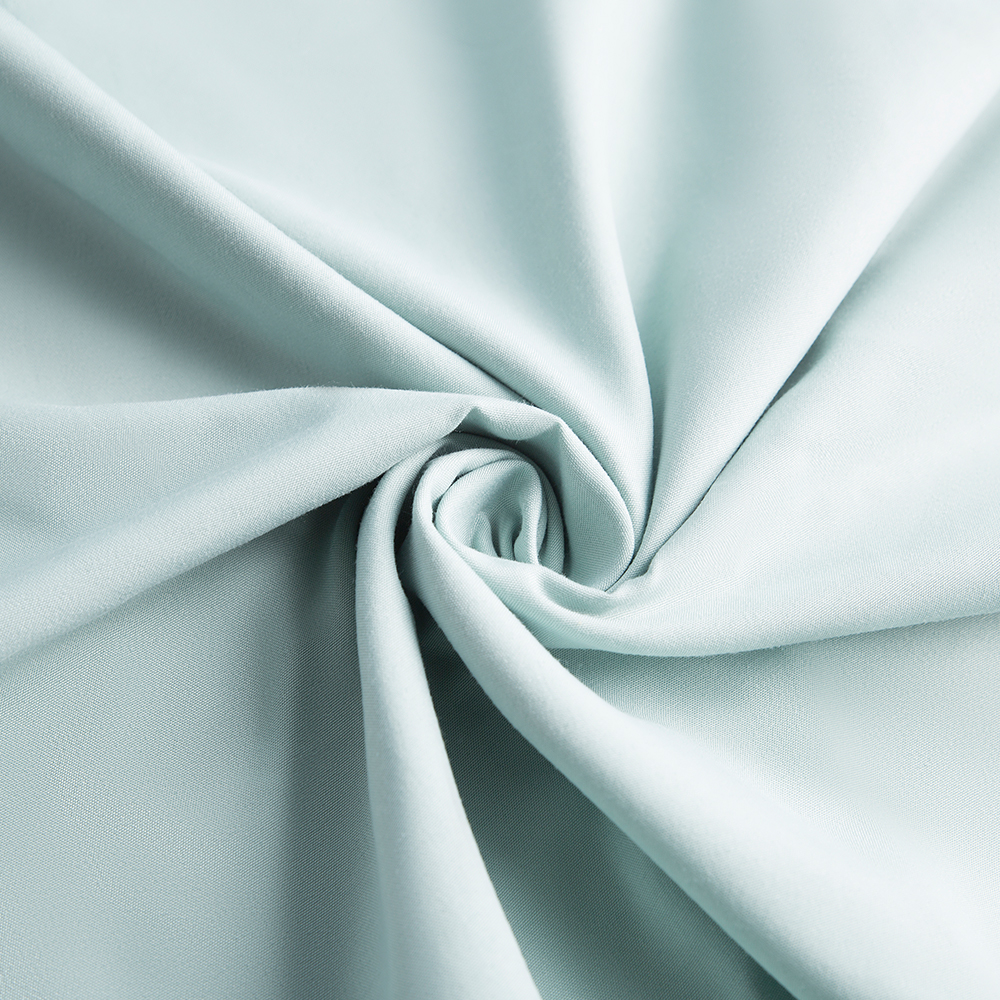
Brushed fabric refers to any woven or knit textile that has undergone a mechanical brushing process to raise fine fibers from its surface. This process creates a soft, slightly fuzzy texture that feels warmer and more plush than the same fabric in its untreated form, without changing the underlying weave structure or fiber content significantly.
The brushing technique can be applied to a wide range of base materials, including cotton, polyester, and various blends, which is why brushed fabric appears across so many different product categories. What unites them all is the finishing process itself, which uses fine wire brushes or abrasive rollers to gently pull fibers to the surface without breaking the underlying yarn structure.
How the Brushing Process Works
Manufacturing brushed fabric involves passing woven or knit material through rollers covered in fine wire bristles. As the fabric moves through the machine, these bristles catch loose fiber ends and pull them upward, creating a raised nap on one or both sides of the material depending on the desired finish.
Single-Sided vs Double-Sided Brushing
Single-sided brushing treats only one face of the fabric, typically the side intended to touch skin, which is common in flannel sheets and brushed cotton shirts. Double-sided brushing treats both faces and is often used for heavier fabrics like brushed fleece, where warmth and softness matter on both the outer and inner surfaces.
Controlling Nap Density
Manufacturers adjust brush pressure, roller speed, and number of passes to control how dense and long the raised nap becomes. A lighter brushing creates a subtle texture suitable for shirting fabric, while heavier brushing produces the thick, fuzzy surface associated with fleece or flannel.
Key Benefits of Brushed Fabric
The brushing process changes more than just how fabric feels. It also affects performance characteristics that make brushed textiles suitable for specific applications where comfort and insulation matter most.
- Increased surface softness that feels gentle against skin
- Improved insulation as raised fibers trap a thin layer of air near the body
- A matte, non-shiny appearance that hides minor surface imperfections
- Reduced static cling compared to smooth synthetic fabrics
- Enhanced drape and body that makes garments feel less stiff
Common Applications for Brushed Fabric
Because brushing can be applied to so many base materials, brushed fabric shows up across a wide range of everyday products, each taking advantage of the texture's warmth and softness in different ways.
Bedding and Sleepwear
Brushed cotton flannel sheets remain a popular choice for cold-weather bedding because the raised nap traps body heat while still feeling soft against skin. Pajamas made from brushed fabric offer similar warmth without the bulk of heavier winter fabrics.
Outerwear and Activewear
Brushed polyester fleece has become a staple in jackets, hoodies, and base layers because it provides warmth without significant weight, and its moisture-wicking properties make it suitable for both casual wear and outdoor activities.
Home Textiles
Beyond apparel, brushed fabric appears in blankets, upholstery, and curtain linings, where its soft hand feel and insulating properties add comfort to living spaces during colder months.
Comparing Brushed Fabric Types by Base Material
The base fiber used before brushing significantly affects the final fabric's weight, warmth, and durability. The table below compares three common brushed fabric types to help clarify which option suits different needs.
| Base Material | Warmth Level | Breathability | Common Use |
| Brushed Cotton | Moderate | High | Sheets, shirts |
| Brushed Polyester | High | Moderate | Fleece jackets |
| Brushed Cotton Blend | Moderate to High | Moderate | Flannel shirts, pajamas |
Caring for Brushed Fabric Properly
Proper care helps brushed fabric maintain its soft texture over repeated washes. Washing in cold or warm water rather than hot helps preserve the raised nap, since high heat can cause fibers to mat down and lose their original loft over time.
Drying Recommendations
Tumble drying on low heat generally works well for most brushed fabrics, and adding wool dryer balls can help fluff the nap back up during the drying cycle. Avoiding fabric softener is often recommended, since it can coat fibers and reduce the fabric's natural softness over time.
Preventing Pilling
Because brushed fabric has raised fibers, it can be more prone to pilling than smooth textiles, especially in areas subject to friction like underarms or seat cushions. Washing brushed garments inside out and separating them from rougher fabrics during laundering helps minimize this effect.
Choosing the Right Brushed Fabric for Your Project
When selecting brushed fabric for a specific use, consider both the base fiber and the intended application. Natural fiber options like brushed cotton work well for products meant to touch skin directly, while synthetic brushed fabrics often perform better in situations requiring durability and moisture resistance, such as outdoor gear or high-traffic upholstery.
Requesting fabric samples before committing to a large purchase remains one of the best ways to evaluate texture, weight, and drape firsthand, ensuring the final product meets both comfort and performance expectations for its intended use.