

 English
 中文简体
中文简体

Content
What Defines True Microfiber Fabric
100% polyester microfiber fabric is defined not by its fiber content alone but by the diameter of the individual fibers used to create it. To qualify as true microfiber, each strand must measure less than one denier, making it significantly finer than a human hair. This extremely fine fiber structure is what gives microfiber its distinctive softness, high surface area, and ability to trap dust, moisture, and debris far more effectively than standard woven or knit polyester fabrics made from thicker strands.
Because polyester can be manufactured at this microscopic fiber diameter more consistently and affordably than natural fibers, it has become the dominant material for microfiber products across cleaning, apparel, and home textile industries. The fine fiber structure also allows manufacturers to weave or knit the material into an enormous range of textures, from ultra-plush cleaning cloths to smooth, silk-like fabric used in bedding and apparel, all while maintaining the core benefits that come from the fiber's microscopic diameter.
Why Fiber Density Affects Real-World Performance
The density of microfiber, often measured in grams per square meter, directly determines how the fabric performs in different applications. Higher density microfiber, generally above 300 grams per square meter, contains more fiber packed into the same surface area, resulting in greater absorbency and more effective dust and debris capture, which makes it particularly well suited for cleaning cloths and towels designed for automotive detailing or intensive household cleaning. Lower density microfiber, typically under 200 grams per square meter, tends to be thinner and lighter, making it more appropriate for apparel, lightweight bedding, or applications where drape and breathability matter more than maximum absorbency.
Split microfiber, a specialized manufacturing process that splits each fiber into even smaller strands during production, further increases surface area and cleaning effectiveness compared to standard unsplit microfiber. This split construction is common in higher-end cleaning products designed to trap fine dust particles and oils without scratching sensitive surfaces like eyeglass lenses, electronic screens, or automotive paint finishes.
Density and Application Guide
| Density Range | Best Application |
| Under 200 gsm | Apparel, lightweight bedding |
| 200-300 gsm | General cleaning cloths, home textiles |
| Over 300 gsm | Automotive detailing, heavy-duty cleaning |
Common Uses Across Different Industries
Cleaning and household maintenance represent one of the largest categories of microfiber use, with cloths, mops, and dusters relying on the fabric's electrostatic properties and fine fiber structure to attract and trap dust, dirt, and moisture without requiring chemical cleaners in many cases. The automotive detailing industry has particularly embraced microfiber for its ability to clean and buff surfaces without leaving scratches, an important quality when working with sensitive paint finishes and glass surfaces.
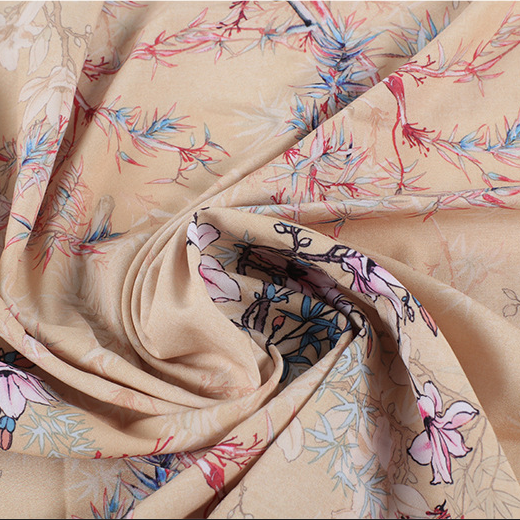
Apparel and bedding applications take advantage of different properties, favoring microfiber's softness, moisture-wicking capability, and relatively low cost compared to natural fiber alternatives. Athletic wear frequently uses microfiber polyester for its ability to pull moisture away from the skin during physical activity, while bedding manufacturers use it to create affordable sheets and comforters that mimic the softness of higher-cost natural fiber alternatives.
Primary Use Categories
- Cleaning cloths, dusters, and mop heads
- Automotive detailing towels and buffing cloths
- Athletic wear and moisture-wicking apparel
- Bedding, including sheets and comforter fill
- Furniture upholstery and slipcovers
How to Judge Quality When Buying Microfiber Products
Checking the gram-per-square-meter rating listed on packaging or product descriptions gives a reliable starting point for gauging quality, since higher density generally correlates with better performance for cleaning applications specifically. Feeling the fabric directly, when possible, also reveals useful information; genuine high-quality microfiber should feel notably soft and slightly plush, without any rough or scratchy texture that might indicate lower-grade fiber or a coarser weave.
For cleaning products specifically, checking whether the microfiber is split or unsplit can help buyers select the right product for sensitive surfaces versus general-purpose cleaning. Reviewing edge stitching and overall construction quality matters as well, since poorly finished edges tend to fray more quickly with repeated washing, shortening the product's usable lifespan regardless of the quality of the microfiber itself.
Caring for Microfiber to Preserve Its Performance
Washing microfiber separately from cotton and other lint-producing fabrics prevents lint transfer, which can significantly reduce microfiber's cleaning effectiveness by clogging the fine fiber structure that gives it its dust-trapping ability. Avoiding fabric softener is particularly important for microfiber cleaning products, since softener coats the fibers with a residue that reduces their electrostatic charge and absorbency, essentially undoing the properties that make microfiber effective for cleaning in the first place.
Air drying or using low heat settings helps preserve the fine fiber structure over repeated wash cycles, since high heat can cause the delicate fibers to become brittle or matted over time. Following these simple care practices allows microfiber products, whether used for cleaning, apparel, or bedding, to maintain their original softness and functional properties for a considerably longer period than fabric washed and dried without these precautions.