

 English
 中文简体
中文简体

Content
- 1 What 100% Polyester Microfiber Print Fabric Is
- 2 Key Physical Properties That Define the Fabric
- 3 Common Printing Methods Used on Polyester Microfiber
- 4 Comparing Printing Methods for Polyester Microfiber
- 5 Common Applications Across Industries
- 6 Care and Maintenance Recommendations
- 7 What to Look for When Sourcing This Fabric
What 100% Polyester Microfiber Print Fabric Is
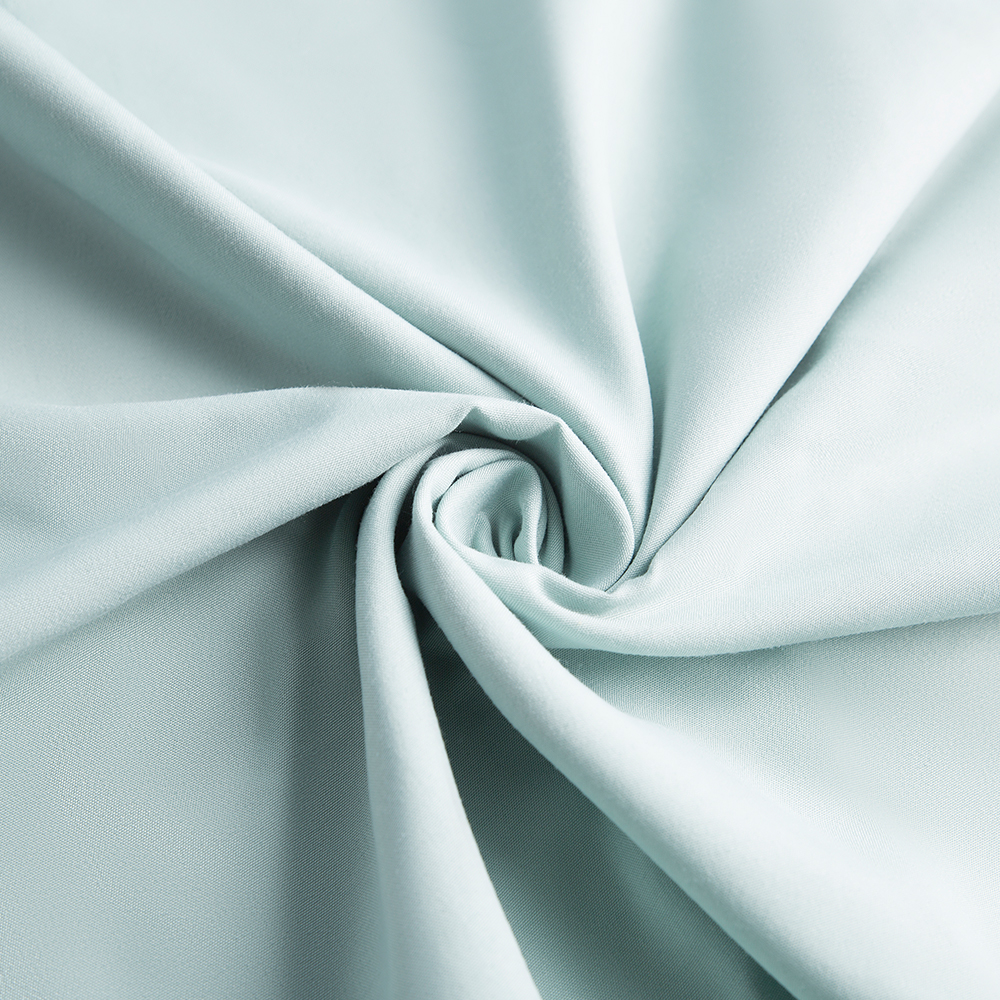
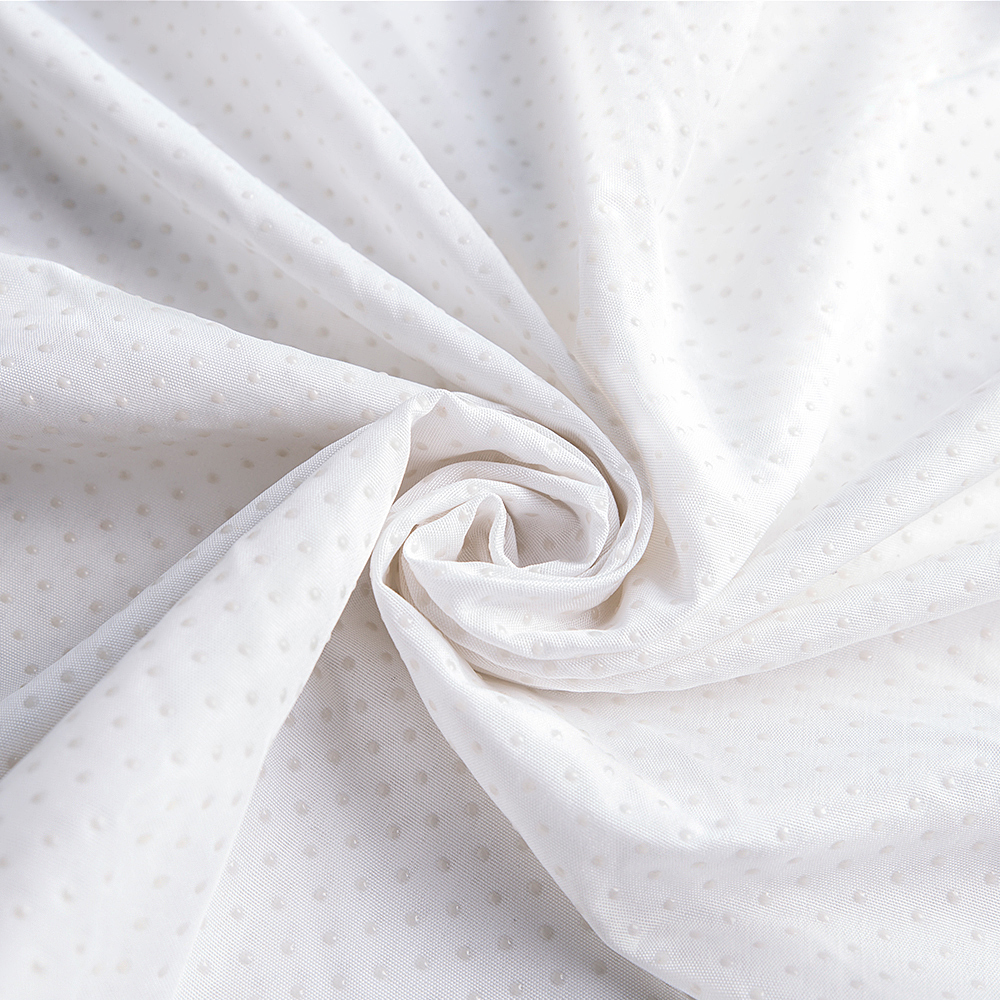
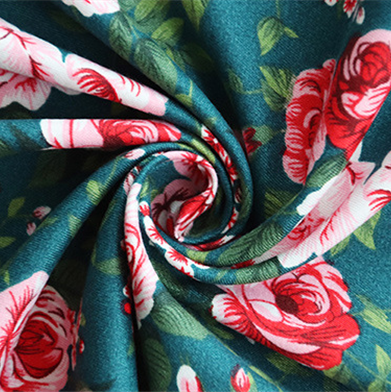
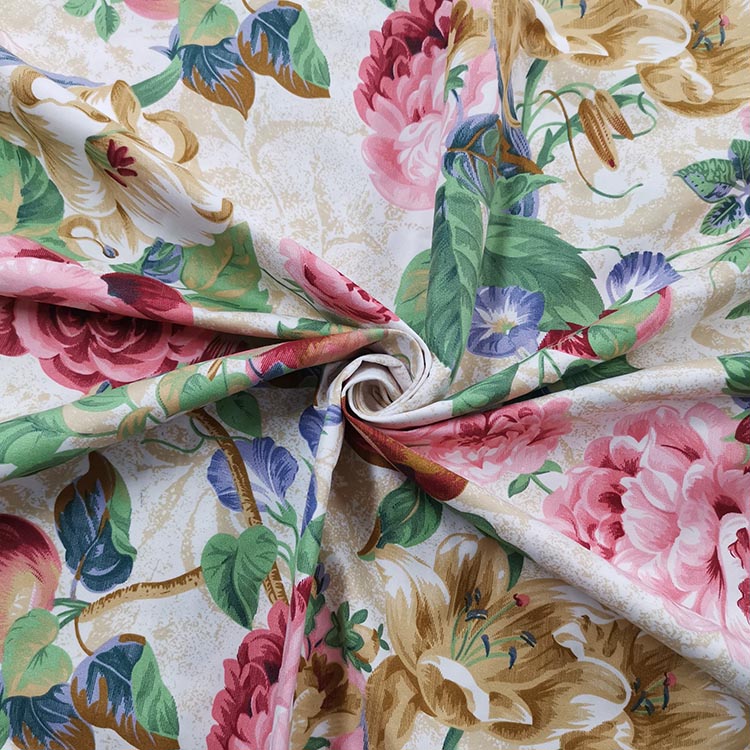
100% polyester microfiber print fabric is a synthetic textile made entirely from ultra-fine polyester fibers, typically measuring less than one denier per filament, which is significantly thinner than a human hair. This fine fiber structure creates a fabric that is soft, lightweight, and dense, while also providing an excellent surface for vibrant, high-resolution printing. Because polyester is a synthetic thermoplastic material, it readily bonds with disperse dyes during the printing process, allowing colors to penetrate the fiber structure rather than simply sitting on the surface, which results in strong colorfastness and resistance to fading over repeated washing.
This fabric category is widely used across apparel, home textiles, and industrial applications due to its combination of durability, print clarity, and relatively low production cost compared to natural fiber alternatives.
Key Physical Properties That Define the Fabric
The microfiber structure of this fabric gives it a distinct set of physical characteristics that differentiate it from standard polyester weaves or natural fiber textiles.
- Fine fiber density creates a soft, smooth hand-feel often compared to silk or brushed cotton
- High thread density improves print resolution, allowing fine details and gradient colors to appear sharp and clear
- Strong resistance to wrinkling, making it easier to store and transport without frequent ironing
- Quick-drying properties due to low moisture absorption compared to natural fibers like cotton
- Durable structure that resists pilling and abrasion better than many blended fabrics
Common Printing Methods Used on Polyester Microfiber
The printing technique used on polyester microfiber fabric significantly affects color vibrancy, durability, and production cost, making method selection an important consideration for manufacturers and buyers alike.
Sublimation Printing
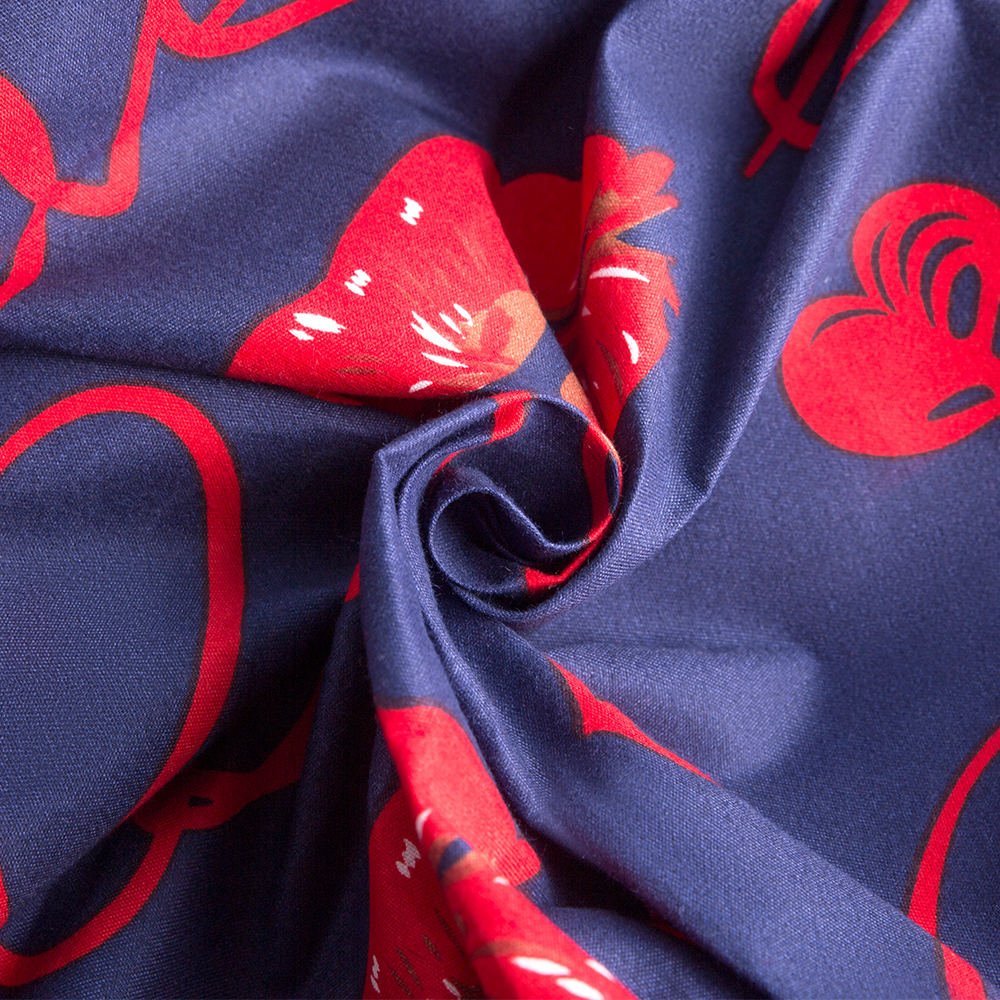
Sublimation printing is the most common method used on polyester microfiber fabric because it works particularly well with synthetic fibers. In this process, disperse dyes are converted from a solid to a gas under heat and pressure, allowing the dye to bond directly into the fiber structure at a molecular level. This produces vivid, long-lasting prints that do not crack, peel, or fade significantly over time, and the fabric retains its original soft texture since no additional ink layer sits on top of the surface.
Digital Direct Printing
Digital direct printing applies ink directly onto the fabric surface using inkjet technology, offering high flexibility for small production runs and custom designs. While print quality is excellent, this method may result in slightly less color penetration compared to sublimation, making it generally better suited for applications where the fabric will not undergo heavy repeated washing.
Rotary Screen Printing
Rotary screen printing remains a cost-effective option for large-volume production runs with repeating patterns. While it offers strong color saturation, it is less suited to complex gradients or photorealistic designs compared to digital or sublimation methods, making it more common for simpler, repeating pattern designs.
Comparing Printing Methods for Polyester Microfiber
| Printing Method | Best For | Durability |
| Sublimation | Detailed, photorealistic designs | Excellent, resists fading and cracking |
| Digital Direct | Custom, small-batch production | Good, moderate wash resistance |
| Rotary Screen | Large-volume repeating patterns | Good, strong color saturation |
Common Applications Across Industries
The versatility of 100% polyester microfiber print fabric makes it suitable for a wide range of end uses across both consumer and industrial markets. In apparel, it is commonly used for activewear, swimwear linings, and casual clothing due to its lightweight, quick-drying properties. In home textiles, the fabric appears frequently in bedding, curtains, and upholstery, where its wrinkle resistance and vibrant print capability make it a practical, low-maintenance option. It is also widely used in promotional products such as banners, tote bags, and branded merchandise, where sharp print detail and cost efficiency are priorities.
Additionally, the fabric's durability and colorfastness make it a common choice for outdoor-adjacent products like patio cushion covers and pet accessories, where repeated exposure to sunlight and washing would quickly degrade less resilient materials.
Care and Maintenance Recommendations
Proper care helps preserve both the print quality and structural integrity of polyester microfiber fabric over time. Machine washing in cold or warm water, rather than hot water, helps prevent color fading and fiber degradation. Because polyester has low heat tolerance compared to some synthetic blends, tumble drying on low heat or air drying is generally recommended to avoid shrinkage or surface damage to the printed design. Avoiding fabric softeners is also advisable, as they can leave a residue that dulls the fabric's natural sheen and reduces its moisture-wicking properties over repeated use.
What to Look for When Sourcing This Fabric
Buyers sourcing 100% polyester microfiber print fabric for manufacturing or resale should evaluate a few key specifications before committing to a supplier. Fabric weight, typically measured in grams per square meter (GSM), affects both drape and durability, with lighter weights around 80 to 120 GSM suited for apparel linings and heavier weights above 150 GSM better suited for upholstery or outdoor-adjacent products. Colorfastness ratings, print resolution capabilities, and minimum order quantities should also be confirmed directly with suppliers, since these factors vary significantly between manufacturers and can affect both product quality and overall project cost.