

 English
 中文简体
中文简体

Content
Functional fabric refers to textiles engineered to do more than simply cover the body, incorporating specific performance properties like moisture management, temperature regulation, odor control, or stretch recovery directly into the fiber or fabric structure. These materials have become central to activewear, outdoor gear, and even everyday apparel as consumers increasingly expect clothing to actively support comfort and performance rather than just serve as a passive covering. This article explains the main categories of functional fabric, how their performance properties are achieved, and what to look for when selecting them for specific uses.
What Makes a Fabric "Functional"
A fabric is considered functional when it is designed and engineered to deliver a specific performance benefit beyond basic coverage and aesthetics. This can be achieved in several ways, including selecting fibers with inherent performance properties, applying chemical finishes to the fabric surface, or structuring the weave or knit in a way that produces a desired effect, such as enhanced breathability or stretch. Unlike traditional fabrics, which are primarily evaluated on hand-feel and appearance, functional fabrics are typically tested and rated against measurable performance benchmarks, such as moisture vapor transmission rate or UV protection factor.
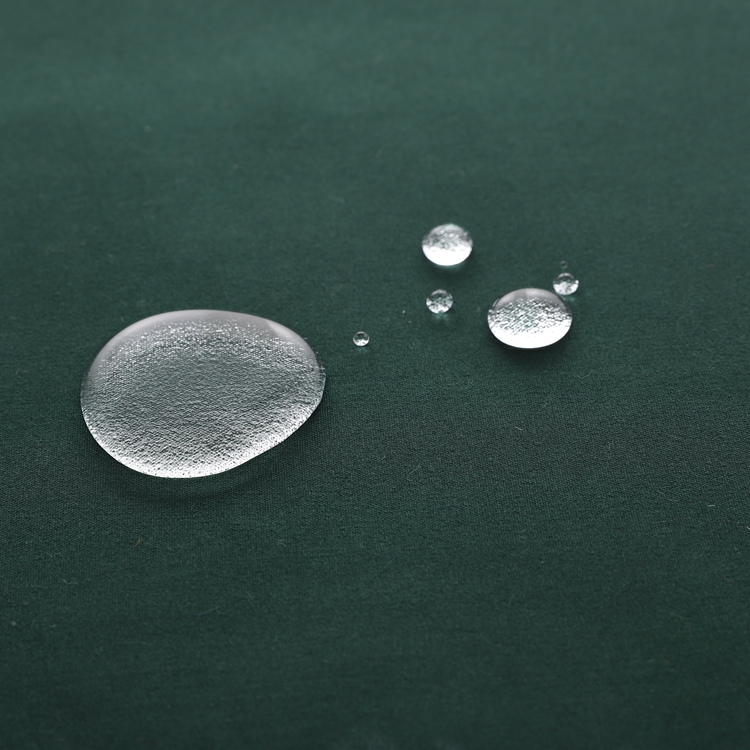
Many functional fabrics combine multiple performance features into a single textile, since real-world use often demands more than one benefit at once. A running shirt, for example, may need to wick sweat, resist odor, and provide UV protection simultaneously, requiring careful engineering to balance these properties without compromising comfort or durability.
Major Categories of Functional Fabric
Functional fabrics are generally grouped by the primary performance benefit they deliver. Understanding these categories helps in selecting the right fabric for a specific application, whether for athletic wear, outdoor gear, or specialized workwear.
| Category | Primary Benefit | Common Uses |
| Moisture-wicking | Pulls sweat away from skin | Activewear, base layers |
| Thermoregulating | Maintains stable body temperature | Outdoor gear, seasonal clothing |
| Antimicrobial | Reduces odor-causing bacteria | Sportswear, socks, undergarments |
| UV-protective | Blocks harmful UV rays | Sun shirts, outdoor apparel |
| Water-resistant/repellent | Repels moisture from outside | Rain jackets, outdoor shells |
| Compression/stretch | Supports muscles, aids recovery | Athletic leggings, recovery wear |
How Moisture Management Works in Fabric
Moisture-wicking fabrics operate on the principle of capillary action, drawing sweat away from the skin and spreading it across a larger surface area of the fabric where it can evaporate more quickly. This is typically achieved through specially engineered polyester or nylon fibers with a modified cross-sectional shape, often featuring channels or grooves that increase the fiber's surface area and improve its ability to transport moisture outward. Natural fibers like merino wool achieve a similar effect differently, absorbing moisture vapor into the fiber itself before releasing it gradually, which helps regulate the sensation of dampness against the skin.
The effectiveness of moisture management is often measured using the Moisture Vapor Transmission Rate, which quantifies how much water vapor can pass through a fabric over a set period. Fabrics with higher MVTR ratings generally keep the wearer feeling drier during intense activity, making this a useful specification to check when comparing performance apparel for athletic use.
Thermoregulation and Temperature Control Technologies
Thermoregulating fabrics aim to keep the wearer's body temperature within a comfortable range regardless of external conditions or activity level. One common approach uses phase change materials embedded within the fiber or fabric coating, which absorb excess body heat when the wearer becomes warm and release it back when the body cools, effectively acting as a temperature buffer. Another approach relies on fabric structure itself, using layered or textured knits that trap a thin layer of insulating air near the skin during cold conditions while allowing that same structure to promote airflow and cooling during warmer activity.
Merino wool remains a benchmark natural fiber for thermoregulation, since its fiber structure naturally insulates in cold conditions while also wicking moisture effectively enough to prevent overheating during exertion. This dual capability has made it a popular choice for base layers used across a wide range of temperatures and activity levels.
Common Thermoregulation Approaches
- Phase change materials that absorb and release body heat
- Layered knit structures that trap or release air based on activity
- Natural fiber blends like merino wool for dual insulation and wicking
- Reflective or metallic coatings that redirect body heat inward
Durability and Care Considerations
Functional fabrics often lose effectiveness over time if not cared for properly, since many of their performance properties depend on surface treatments or fiber structures that can degrade with improper washing. Fabric softeners, for example, can coat moisture-wicking fibers with a residue that blocks their capillary channels, significantly reducing their ability to pull sweat away from the skin. Similarly, high-heat drying can damage antimicrobial treatments and elastic fibers used in compression garments, shortening the effective lifespan of these performance features well before the fabric itself shows visible wear.
Water-resistant and waterproof outerwear typically relies on a durable water repellent finish applied to the fabric surface, which wears down with repeated washing and general use. Reapplying this finish periodically, using products designed specifically for technical fabrics, helps maintain water resistance without damaging the underlying membrane or fabric structure.
Care Tips to Preserve Performance Features
- Avoid fabric softeners, which can block moisture-wicking channels
- Wash in cold water to protect elastic fibers and coatings
- Air dry or use low heat to prevent damage to technical finishes
- Reapply durable water repellent treatments as needed on outerwear
- Follow manufacturer washing instructions specific to the fabric technology
Choosing Functional Fabric for Your Specific Needs
Selecting the right functional fabric starts with identifying the primary performance need for the intended activity. For high-intensity exercise, moisture-wicking synthetic blends with antimicrobial treatment offer the best combination of sweat management and odor control. For outdoor activities involving variable weather, layered systems combining a moisture-wicking base layer, an insulating mid-layer, and a water-resistant outer shell typically outperform any single fabric trying to accomplish all these functions at once.
For everyday wear where comfort and subtle performance benefits matter more than extreme conditions, natural-synthetic blends that incorporate a small percentage of spandex or elastane for stretch, combined with cotton or modal for softness, offer a practical middle ground. Understanding the specific demands of your activity, whether it is a marathon, a hiking trip, or simply a long workday, makes it easier to prioritize which functional properties matter most for your fabric choice.
Functional fabric has fundamentally changed how clothing performs, moving beyond simple coverage to actively support comfort, temperature regulation, and hygiene during activity. By understanding the technologies behind moisture management, thermoregulation, and durability, and by caring for these fabrics properly, wearers can get the most out of their performance apparel investment over the long term.