

 English
 中文简体
中文简体

Content
- 1 What Is 100% Polyester Microfiber Print Fabric?
- 2 Key Characteristics of Microfiber Print Fabric
- 3 Common Applications of 100% Polyester Microfiber Print Fabric
- 4 Comparing Microfiber Polyester Fabric with Other Common Textiles
- 5 How Microfiber Print Fabric Is Manufactured
- 6 Tips for Selecting Quality Microfiber Print Fabric
What Is 100% Polyester Microfiber Print Fabric?
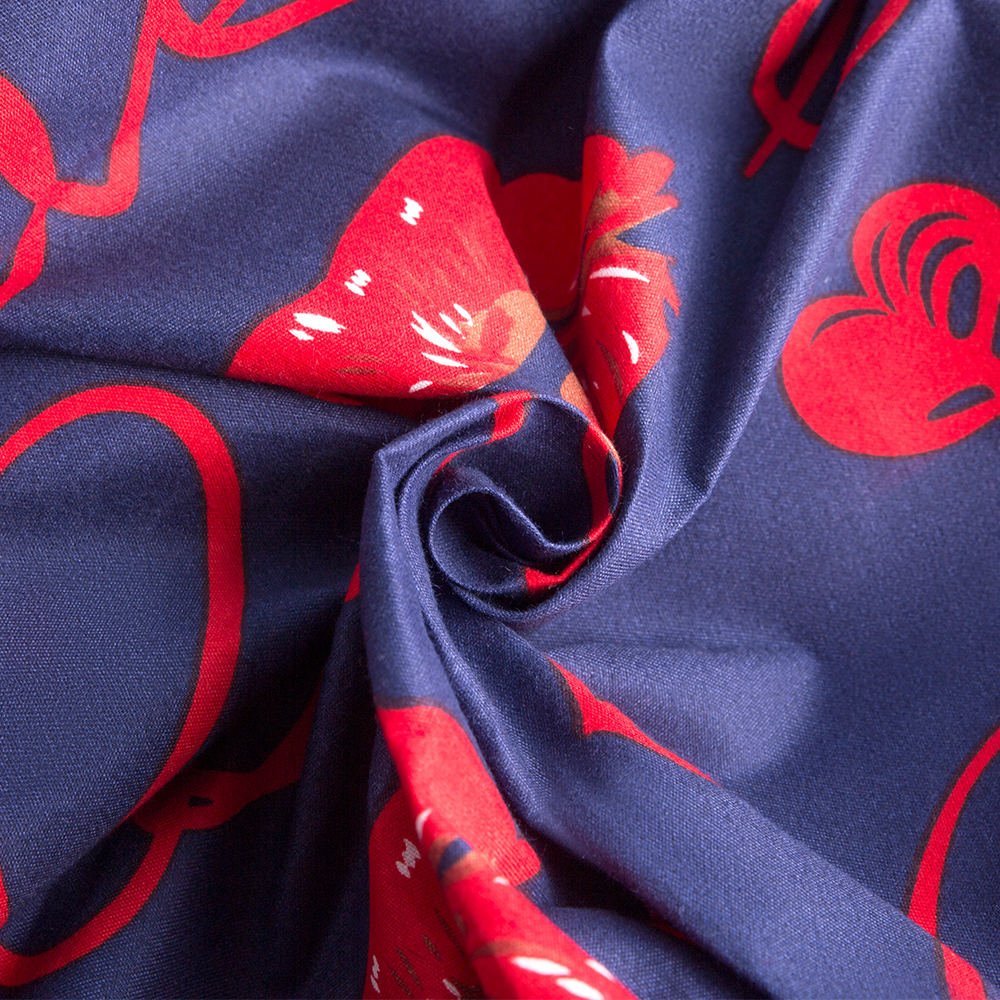
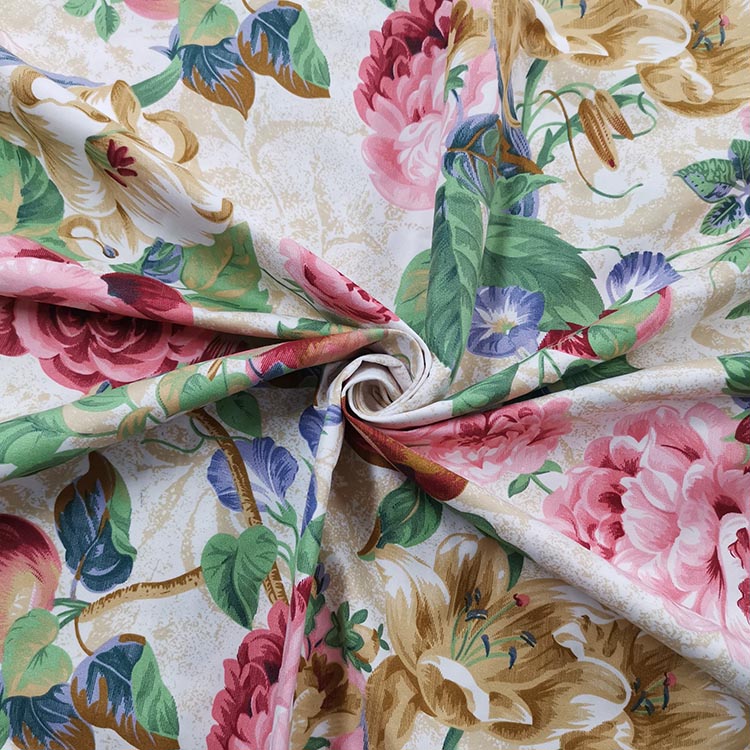
100% polyester microfiber print fabric is a synthetic textile made entirely from ultra-fine polyester fibers, typically finer than one denier per filament, which is significantly thinner than a human hair. This fine fiber structure gives the fabric a soft, smooth hand feel while allowing it to hold vivid printed patterns with excellent clarity and color retention. Because the fabric is composed entirely of polyester, it offers strong resistance to wrinkling, shrinking, and fading, making it a practical choice for a wide range of applications including bedding, upholstery, apparel linings, and home decor items.
The printing process used on microfiber fabric, most commonly digital or rotary printing, allows manufacturers to produce detailed, high-resolution designs that remain sharp even after repeated washing. This combination of softness, durability, and print quality has made 100% polyester microfiber print fabric a popular material choice across both consumer and commercial textile markets.
Key Characteristics of Microfiber Print Fabric
Understanding the physical and performance properties of this fabric helps buyers determine whether it fits their intended use case.
Softness and Texture
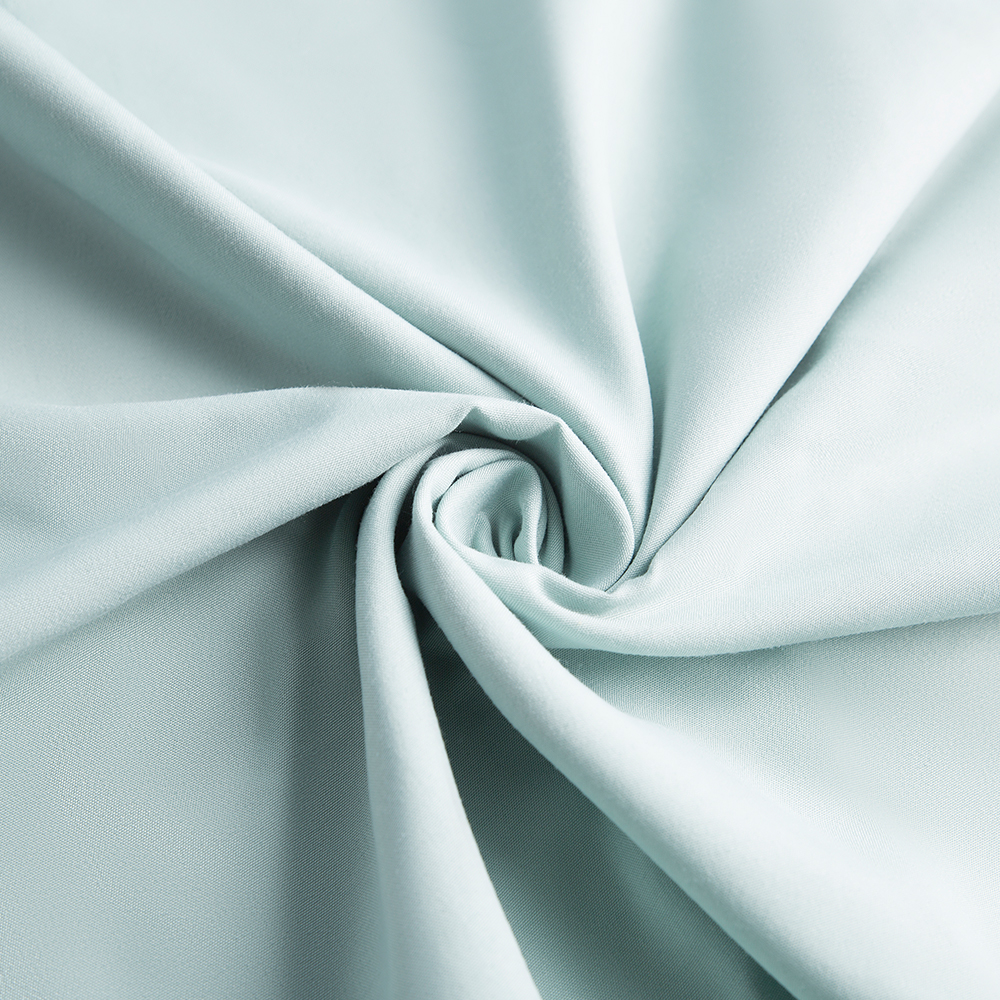
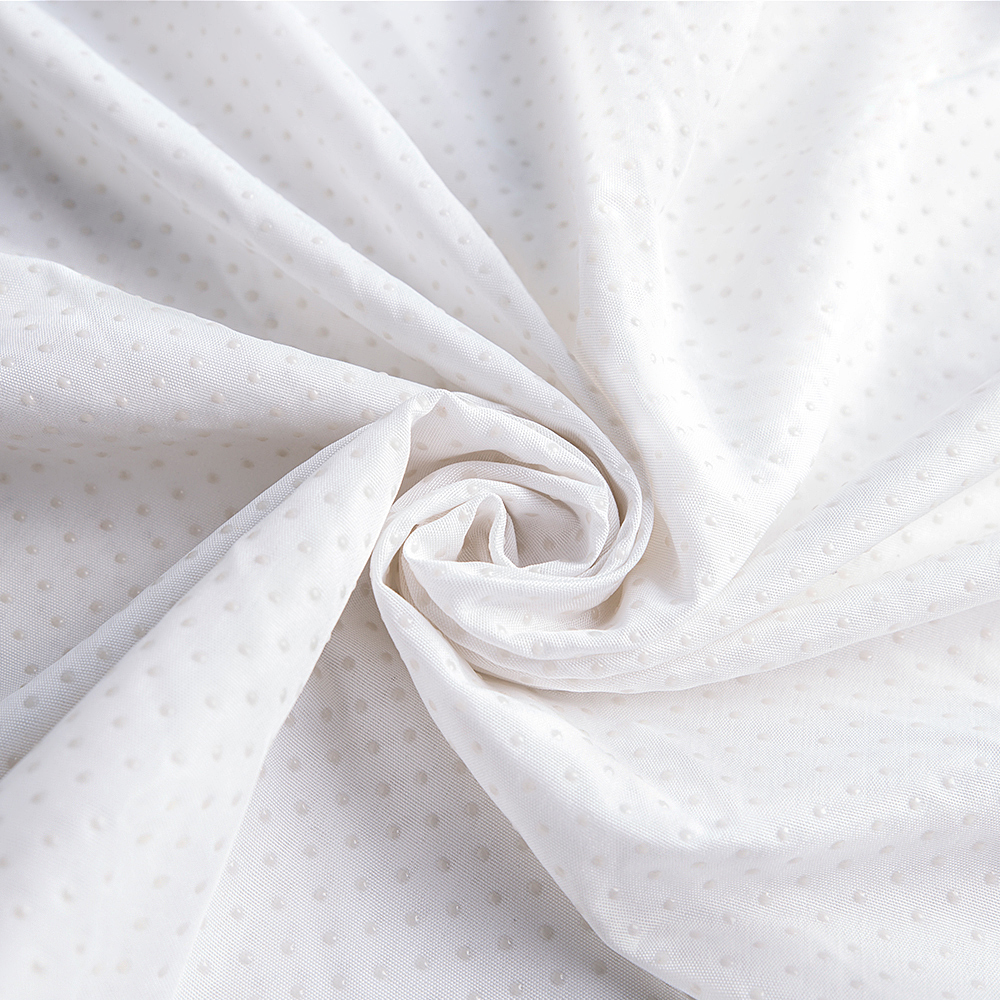
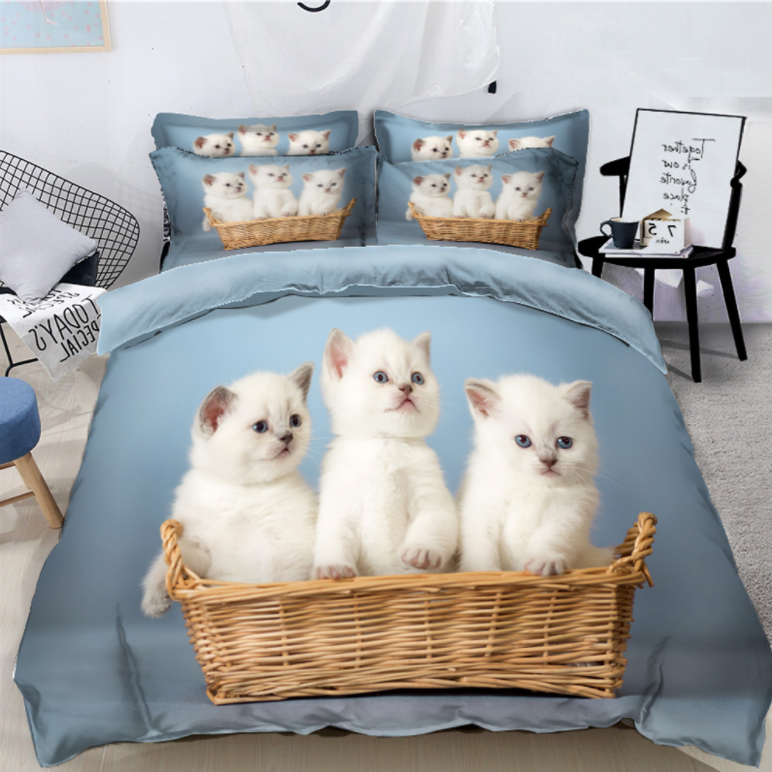
The ultra-fine fiber structure creates a dense weave that feels smooth and lightweight against the skin, which is why microfiber is frequently used in bedding products such as sheets, pillowcases, and duvet covers.
Print Clarity and Color Vibrancy
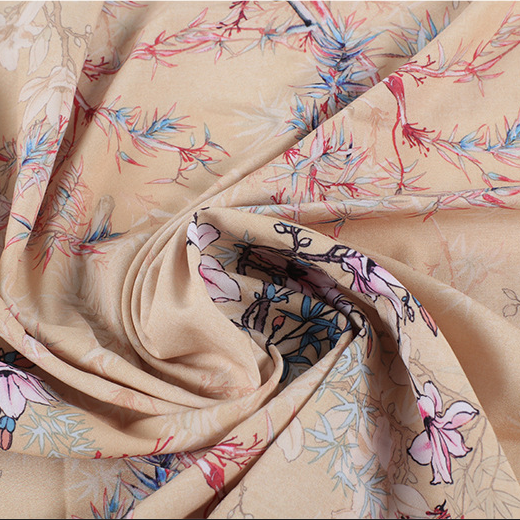
Because polyester fibers accept dye well and the microfiber weave provides a smooth printing surface, patterns appear crisp and colors remain vibrant. This makes the fabric especially suitable for products with detailed graphics, florals, or photographic-style prints.
Durability and Wrinkle Resistance
Polyester fibers are naturally resistant to stretching and wrinkling, which means microfiber print fabric maintains its shape and appearance through repeated use and washing without requiring frequent ironing.
Moisture and Stain Resistance
The tightly woven fiber structure limits liquid absorption into the fabric core, which helps the material resist staining and makes spills easier to wipe away compared to natural fiber alternatives.
Common Applications of 100% Polyester Microfiber Print Fabric
This fabric type is used across multiple industries due to its versatility and practical performance benefits.
- Bedding products including bed sheets, pillowcases, and comforter covers
- Home decor items such as curtains, cushion covers, and tablecloths
- Apparel linings and lightweight garment components
- Cleaning cloths and household wiping materials
- Craft and quilting projects requiring printed fabric panels
Comparing Microfiber Polyester Fabric with Other Common Textiles
The table below compares 100% polyester microfiber fabric against other commonly used materials to help clarify its practical advantages and limitations.
| Fabric Type | Softness | Wrinkle Resistance | Print Clarity | Breathability |
| Polyester Microfiber | High | High | High | Moderate |
| Cotton | Moderate | Low | Moderate | High |
| Linen | Low | Low | Low | High |
| Silk | High | Low | Moderate | Moderate |
How Microfiber Print Fabric Is Manufactured
The production process significantly influences the final quality and performance of the fabric.
Fiber Extrusion
Polyester chips are melted and extruded through fine spinnerets to create ultra-thin filaments, which are then woven or knitted into a dense fabric base suitable for printing.
Printing Techniques
Digital printing applies designs directly onto the fabric using inkjet technology, offering flexibility for custom or small-batch orders. Rotary printing, on the other hand, uses engraved cylinders and is more efficient for large-volume production runs with consistent repeat patterns.
Finishing Treatments
After printing, fabrics may undergo additional finishing processes such as brushing for added softness, calendaring for a smoother surface, or heat-setting to lock in color and improve washing durability.
Tips for Selecting Quality Microfiber Print Fabric
Not all microfiber fabrics are equal in quality, so buyers should consider several factors before making a purchasing decision.
- Check the gram weight per square meter to assess fabric density and durability
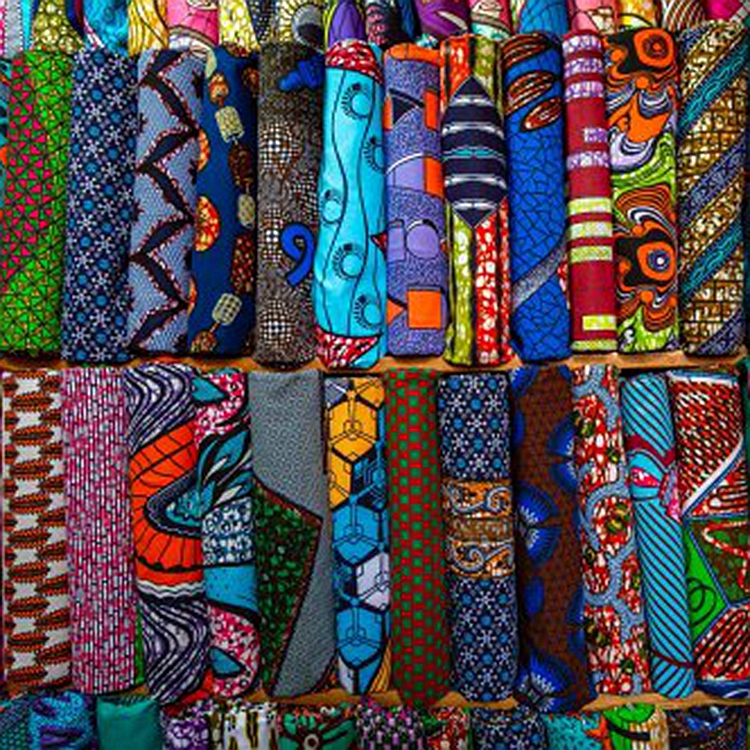
- Inspect print sharpness and color consistency across the fabric roll
- Confirm colorfastness ratings to ensure prints resist fading after washing
- Verify the fabric feels soft without excessive stiffness from finishing chemicals
- Request sample swatches before committing to bulk fabric orders
100% polyester microfiber print fabric combines softness, durability, and vivid print quality, making it a practical material for bedding, home decor, and apparel applications. By understanding its production process, comparing it against alternative fabrics, and evaluating quality indicators before purchase, buyers can select fabric that meets both aesthetic preferences and long-term performance needs.