

 English
 中文简体
中文简体

Content
What Oxford Fabric Is and Why It Is So Widely Used
Oxford fabric is a woven textile characterized by a basket-weave construction, where two or more threads are woven together as one to create a durable, slightly textured surface. Originally developed from cotton for shirting, the term "Oxford" now more commonly refers to a family of synthetic fabrics made from nylon or polyester, prized for their strength, abrasion resistance, and relatively low cost. This shift in material composition has made Oxford fabric a staple in manufacturing bags, backpacks, tents, outdoor furniture covers, and various industrial products where durability matters more than a soft hand feel.
The basket-weave structure itself is what gives Oxford fabric its distinctive texture and strength. Because pairs of threads are woven together rather than single threads, the fabric resists tearing and fraying better than plain weave fabrics of similar weight. This structural advantage is a major reason manufacturers continue to choose Oxford fabric for products that need to withstand repeated stress, friction, and outdoor exposure.
Understanding Denier Ratings and What They Mean
One of the most important specifications to understand when evaluating Oxford fabric is denier, a unit that measures the thickness and weight of the individual fibers used in the weave. A higher denier number indicates thicker, stronger fibers, which generally translates to a more durable and heavier fabric. However, higher denier also typically means a stiffer, less flexible material, so the right denier rating depends heavily on the intended application.
Lower denier Oxford fabrics, such as those in the 200D to 420D range, tend to be lighter and more pliable, making them suitable for products like lightweight bags or lining materials. Mid-range deniers between 600D and 900D strike a balance between durability and flexibility, commonly used for backpacks and duffel bags. Heavy-duty applications, including industrial covers and rugged outdoor gear, often use 1000D or higher, where maximum abrasion resistance is the priority over lightweight handling.
Denier Ratings and Common Applications
| Denier Range | Weight and Feel | Typical Use |
| 200D-420D | Lightweight, flexible | Linings, lightweight bags |
| 600D-900D | Moderate weight, balanced durability | Backpacks, duffel bags |
| 1000D and above | Heavy, rigid, highly durable | Industrial covers, rugged outdoor gear |
Coatings and Finishes That Improve Performance
Raw Oxford fabric, while durable, is not naturally waterproof. To improve its functional performance, manufacturers commonly apply coatings such as polyurethane (PU) or polyvinyl chloride (PVC) to the fabric's back side. These coatings create a barrier that significantly improves water resistance, making the fabric suitable for outdoor bags, rain covers, and tents where moisture protection is essential.
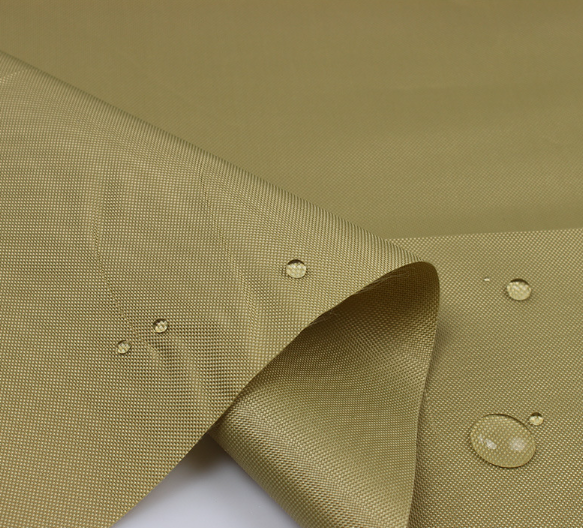
PU coatings tend to offer a softer feel and better flexibility, making them popular for bags and apparel-adjacent products where handling comfort matters. PVC coatings, by contrast, provide a stiffer, more rigid waterproof barrier often used in heavier-duty applications like industrial totes or outdoor equipment covers where maximum water resistance takes priority over softness.
Common Coating Options
- PU coating: flexible, water-resistant, common in bags and backpacks
- PVC coating: stiffer, highly waterproof, used in heavy-duty covers
- Silicone coating: soft touch with strong water repellency, often used in premium outdoor gear
- Uncoated Oxford: breathable but requires additional treatment for outdoor use
Choosing the Right Oxford Fabric for a Specific Product
Selecting the appropriate Oxford fabric requires balancing several factors, including intended use, expected exposure to weather or abrasion, and budget constraints. For products that will see frequent handling and moderate wear, such as everyday tote bags or backpacks, a 600D polyester Oxford with PU coating often provides a practical balance of durability, weight, and cost.
For outdoor equipment exposed to harsh conditions, such as tent flooring or gear bags used in rugged environments, a higher denier fabric with PVC or silicone coating offers stronger protection against tearing and water infiltration. Buyers should also consider colorfastness and UV resistance if the product will be used or stored in direct sunlight for extended periods, since some coatings and dyes degrade faster under prolonged UV exposure.
Factors to Consider Before Purchasing
- Intended use and expected level of daily wear
- Required water resistance based on outdoor or indoor application
- Weight tolerance for the finished product, especially for portable items
- Budget constraints relative to denier rating and coating type
- UV resistance needs for products exposed to prolonged sunlight
Caring for Products Made with Oxford Fabric
Proper care extends the lifespan of Oxford fabric products significantly. Most coated Oxford fabrics should be spot-cleaned with mild soap and water rather than machine washed, since harsh detergents and agitation can degrade the coating over time. Air drying is generally recommended over machine drying, as high heat can cause coatings like PVC to crack or peel prematurely.
For products stored for extended periods, keeping them in a dry, shaded location helps prevent coating degradation and fabric discoloration. Following these basic care practices allows Oxford fabric products to maintain their water resistance and structural integrity well beyond typical usage expectations, making them a reliable long-term investment for both consumers and manufacturers alike.