

 English
 中文简体
中文简体

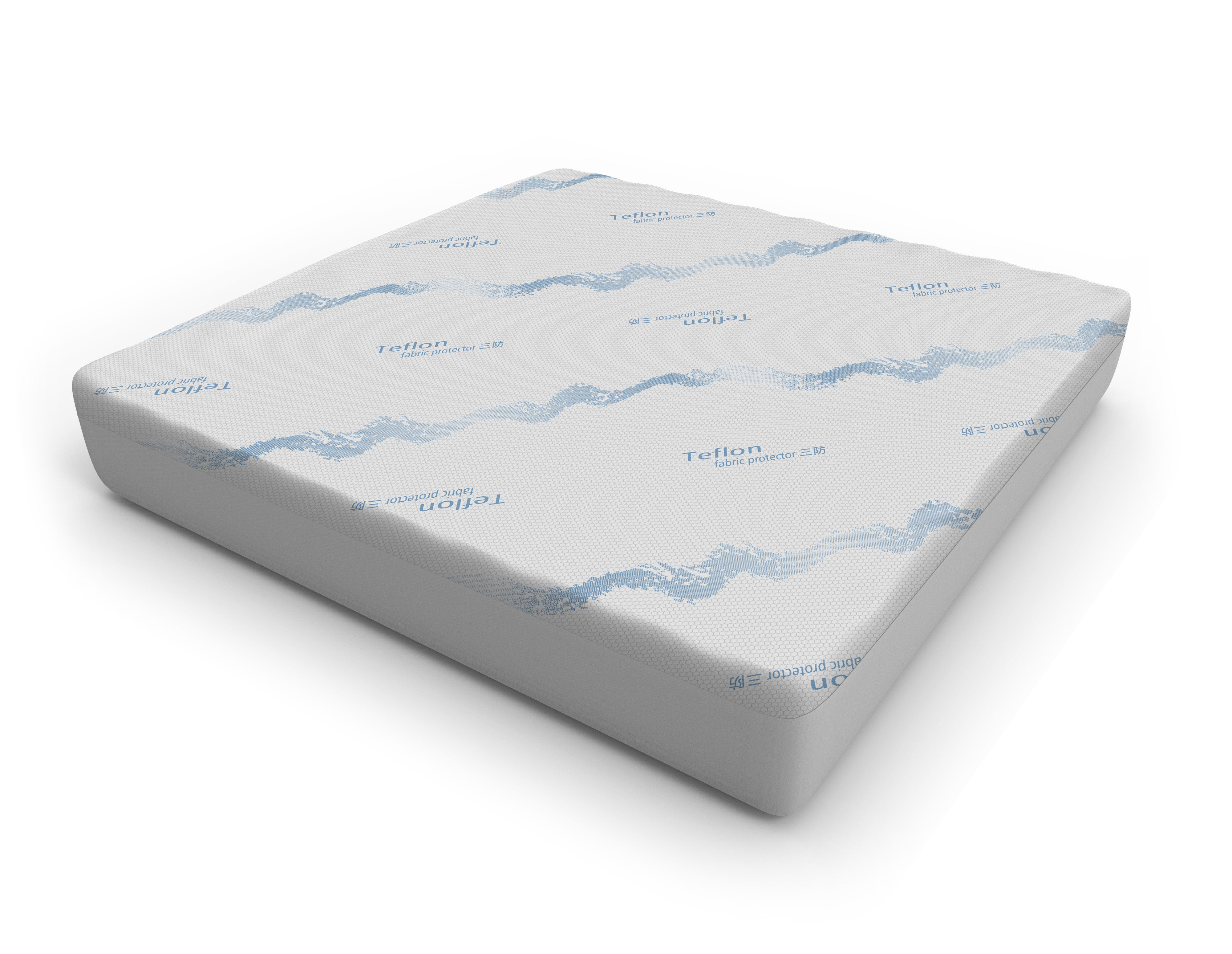
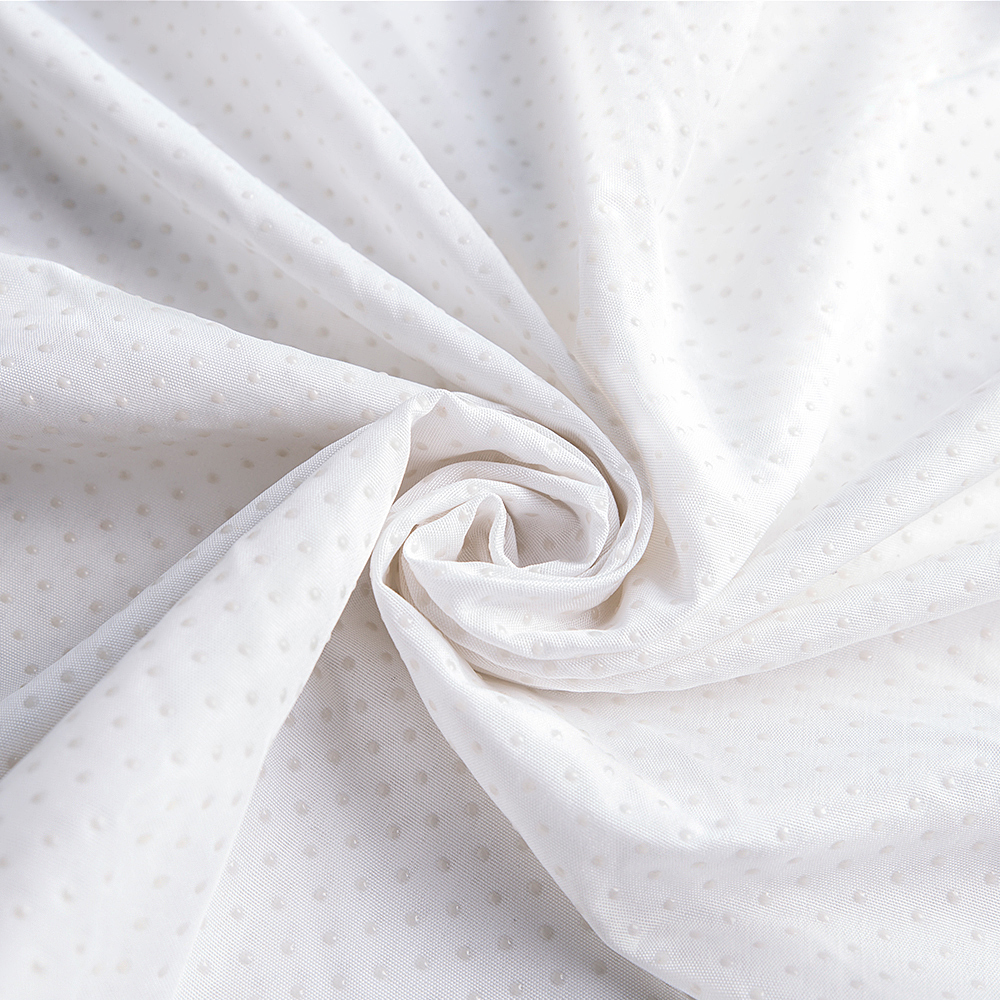
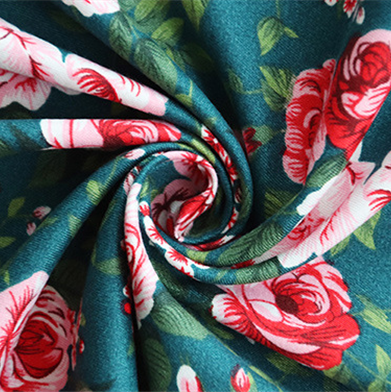
Mattress fabric is a critical component in bedding that directly affects comfort, durability, and sleep quality. The fabric forms the outer layer of the mattress, providing the first tactile interaction for the sleeper. High-quality mattress fabrics combine aesthetic appeal with functionality, offering softness, breathability, and resistance to wear and tear. Selecting the right mattress fabric can enhance sleep comfort, support longevity, and contribute to overall hygiene.
The mattress industry uses a variety of fabrics, each designed for specific needs, including natural fibers like cotton and wool, synthetic fibers like polyester and microfiber, and blended materials that combine the benefits of both. Understanding the characteristics, advantages, and maintenance requirements of these fabrics is crucial for manufacturers, retailers, and consumers.
Types of Mattress Fabrics
Mattress fabrics can be classified based on fiber composition, weave structure, and surface treatment. Each type offers unique properties that affect the feel, durability, and performance of the mattress.
Natural Fibers
Natural fibers are prized for their softness, breathability, and eco-friendly properties. They are ideal for people seeking comfort with minimal chemical treatment. Common natural fibers include:
- Cotton: Highly breathable, soft, and hypoallergenic, cotton fabrics are popular for mattress covers and quilting.
- Wool: Provides excellent insulation, moisture-wicking properties, and natural flame resistance.
- Silk: Smooth and luxurious, silk is often used in premium mattress covers and toppers.
- Bamboo: Naturally antimicrobial and moisture-absorbing, bamboo fabrics are ideal for hot climates.
Synthetic Fibers
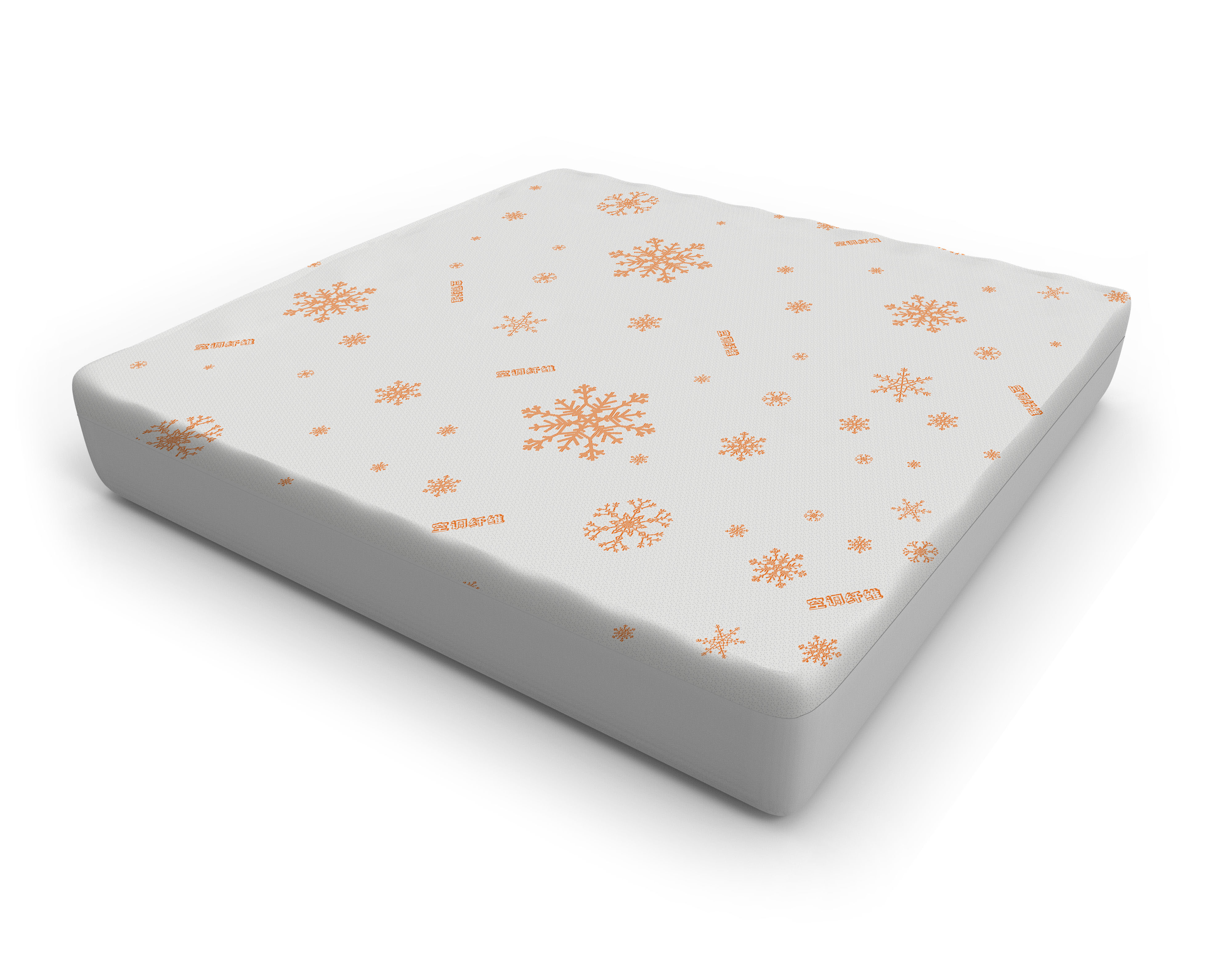
Synthetic fabrics are engineered to enhance durability, elasticity, and ease of maintenance. They are widely used in mass-market mattresses and blended products. Common synthetic fibers include:
- Polyester: Strong, durable, and wrinkle-resistant, polyester is often blended with natural fibers for added resilience.
- Microfiber: Extremely soft and smooth, microfiber provides a luxurious feel while being stain-resistant and easy to clean.
- Polypropylene: Lightweight and moisture-resistant, polypropylene is used for cost-effective and breathable mattress fabrics.
Blended Fabrics
Blended fabrics combine natural and synthetic fibers to balance comfort, durability, and cost. Typical blends include cotton-polyester and cotton-bamboo combinations, offering soft touch with improved resistance to shrinkage, wrinkling, and abrasion.
Weave Structures and Fabric Performance
The weave structure of mattress fabric significantly impacts its texture, strength, and durability. Common weave types include:
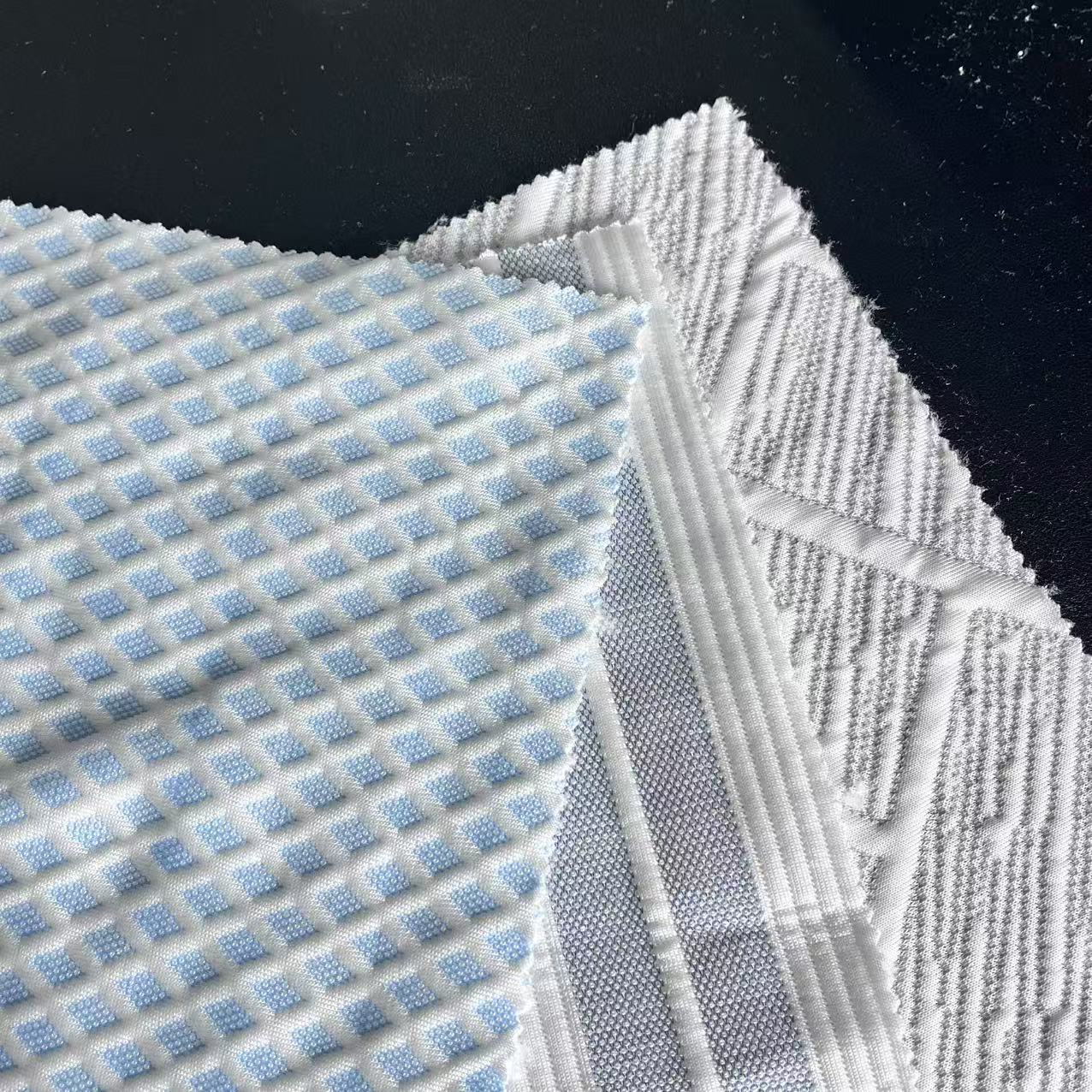
- Knitted Fabric: Offers stretchability, softness, and elasticity. Common in memory foam and hybrid mattresses.
- Woven Fabric: Provides high durability and resistance to deformation. Often used in traditional innerspring mattresses.
- Jacquard: Decorative woven patterns that combine durability with luxury aesthetics.
- Quilted Fabric: Layers of fabric and padding stitched together to add softness, cushioning, and visual appeal.
Functional Treatments for Mattress Fabrics
Modern mattress fabrics often undergo special treatments to enhance functionality and hygiene. These treatments can improve fire resistance, antimicrobial properties, and moisture control:
- Anti-microbial: Reduces bacterial and fungal growth for a healthier sleep environment.
- Anti-stain: Provides resistance to liquids and prevents discoloration from spills.
- Moisture-wicking: Draws sweat away from the body, keeping sleepers dry and comfortable.
- Fire-retardant: Enhances safety by reducing flammability in compliance with international standards.
- Breathable coatings: Improves airflow, helping regulate temperature and reduce heat retention.
Comparing Popular Mattress Fabrics
| Fabric | Comfort | Durability | Maintenance | Special Features |
| Cotton | Soft & breathable | Moderate | Easy to clean | Hypoallergenic |
| Polyester | Moderate | High | Low maintenance | Wrinkle-resistant |
| Microfiber | Very soft | Moderate | Easy to clean | Stain-resistant |
| Bamboo | Soft & cool | Moderate | Machine washable | Antimicrobial |
| Wool | Soft & insulating | High | Dry clean recommended | Moisture-wicking |
Choosing the Right Mattress Fabric
Selecting the ideal mattress fabric depends on the sleeper’s preferences, climate, and intended mattress usage. Consider factors such as softness, breathability, durability, and maintenance requirements. For example, hot sleepers may benefit from breathable cotton or bamboo, while those seeking luxury may prefer silk or quilted fabrics. Families with children may prioritize stain-resistant microfiber or polyester blends.
Care and Maintenance of Mattress Fabrics
Proper maintenance extends the lifespan of mattress fabrics and preserves comfort. Recommendations include regular vacuuming, spot cleaning with mild detergents, rotating the mattress periodically, and using protective covers. Following manufacturer guidelines ensures fabric performance remains consistent over time.
Conclusion: The Role of Mattress Fabric in Sleep Quality
Mattress fabric is more than just a cover—it is an integral part of sleep quality, comfort, and mattress longevity. Understanding the materials, weaves, and functional treatments helps consumers and manufacturers make informed decisions. High-quality fabrics enhance tactile experience, regulate temperature, improve hygiene, and ensure durability.
Whether choosing natural fibers for breathability, synthetic options for durability, or blended fabrics for balanced performance, selecting the right mattress fabric is key to achieving optimal sleep comfort and long-term satisfaction.